
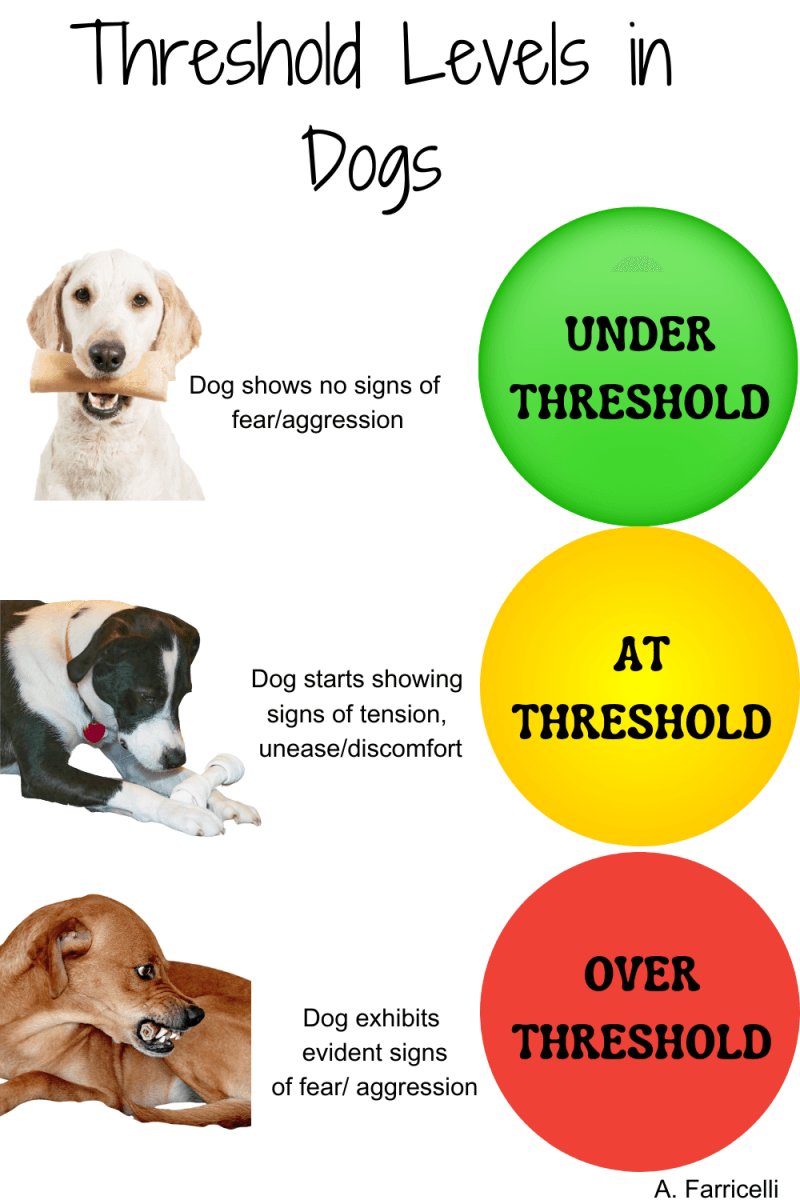
Does your furry friend guard their food bowl like a dragon hoarding treasure? Food aggression in dogs is a common yet concerning behavior that can strain the bond between you and your canine companion. Understanding the root causes, recognizing the signs, and implementing effective training strategies are crucial for creating a harmonious home. This guide will delve deep into the world of food-aggressive behavior, providing actionable insights and practical tips for dog owners.
Understanding Food Aggression in Dogs
Food aggression, also known as resource guarding, is a natural instinct in many animals, including dogs. It stems from a desire to protect valuable resources, such as food, toys, or even their favorite resting spots, from perceived threats. While it’s an innate behavior, it can become problematic when it escalates into threatening or aggressive actions towards humans or other pets.
Why Do Dogs Become Food Aggressive?
Several factors can contribute to a dog developing food aggression:
- Genetics and Breed Predisposition: Some breeds may have a stronger propensity for guarding behaviors due to their historical roles.
- Past Experiences: Dogs who have experienced food scarcity, competition for resources, or neglect may develop strong guarding instincts.
- Learned Behavior: If a dog learns that growling or snapping successfully makes other dogs or people back away from their food, they will continue this behavior.
- Anxiety and Insecurity: A dog that feels insecure or anxious may guard their food as a way to feel more in control.
- Underlying Medical Conditions: In rare cases, pain or discomfort associated with eating can lead to aggression.
Signs of Food Aggression
Recognizing the subtle and not-so-subtle signs of food aggression is the first step towards addressing it. These can include:
- Stiffening: The dog’s body becomes rigid when someone approaches their food.
- Growling: A low, rumbling growl often precedes more serious warnings.
- Snapping: The dog may snap at the air or towards the approaching person/animal.
- Showing Teeth: The dog may lift their lips to expose their teeth.
- Lunging: Aggressively moving towards the perceived threat.
- Biting: The most severe sign, indicating a lack of trust and an inability to manage the situation.
- Hard Stare: Intense, unwavering eye contact directed at the approaching individual.
- Mouth Blocking: The dog might place their muzzle over their food bowl or lick their lips excessively.
Addressing Food Aggression: A Step-by-Step Approach
Successfully managing food aggression requires patience, consistency, and a deep understanding of canine behavior. The goal is not to eliminate the dog’s instinct to protect resources but to teach them that their resources are safe and they don’t need to resort to aggression. A positive reinforcement approach is highly recommended.
1. Management is Key
Before you even begin training, implement strict management strategies to prevent incidents:
- Feed in a Safe Space: Feed your dog in a quiet, secure area where they won’t be disturbed. This could be their crate, a separate room, or a designated feeding station.
- Prevent Interactions During Meals: Ensure children and other pets are kept away from the dog while they are eating.
- Avoid “Counter-Conditioning” with Threatening Gestures: Do not approach your dog’s food bowl with the intent to take it away or loom over them. This can exacerbate their anxiety.
2. Desensitization and Counter-Conditioning
This is the core of Food Aggressive Dog Training. The aim is to change your dog’s emotional response to people approaching their food from negative (fear/anxiety) to positive (anticipation of good things).
The “Trade-Up” Game:
- Start with your dog eating their regular meal.
- From a distance, toss a high-value treat (like a piece of cheese or cooked chicken) into their bowl.
- As soon as they eat the treat, retreat. The goal is for them to associate people approaching their bowl with receiving something even better.
- Gradually decrease the size and value of the tossed treat and increase the distance from which you toss it.
- Eventually, you can progress to walking past the bowl and tossing the treat, then briefly pausing near the bowl before tossing.
The “Value” Approach:
- With your dog eating, approach them at a safe distance.
- Toss a high-value treat into their bowl.
- Walk away.
- Repeat this, gradually getting closer over many sessions. The dog learns that your presence near their food means good things.
3. Teaching the “Leave It” and “Drop It” Commands
These commands are invaluable for managing potentially aggressive situations.
“Leave It”:
- Hold a low-value treat in your closed fist. Let your dog sniff and lick, but don’t let them have it.
- When they back away, even for a second, say “Yes!” and give them a higher-value treat from your other hand.
- Repeat, gradually progressing to placing the low-value treat on the floor (still covered by your hand), then uncovering it briefly.
- The ultimate goal is for them to ignore a tempting item on the floor when you say “Leave It.”
“Drop It”:
- Offer your dog a toy.
- When they have it in their mouth, present a high-value treat right in front of their nose.
- As they open their mouth to take the treat, say “Drop it!” and give them the treat.
- Immediately give them back the toy. This teaches them that letting go of something results in a reward.
4. Building Trust and a Stronger Bond
A dog that trusts its owner is less likely to feel the need to guard resources aggressively.
- Positive Training Sessions: Engage in regular, fun training sessions that build confidence and reinforce your leadership in a positive way. Consider looking into positive reinforcement dog training aggression.
- Provide Enough Enrichment: Ensure your dog has plenty of mental and physical stimulation through puzzle toys, training games, and walks. A tired dog is often a well-behaved dog.
- Respect Their Space: Learn your dog’s body language and avoid pushing them into uncomfortable situations.
When to Seek Professional Help
While many cases of food aggression can be managed with consistent training at home, some situations require expert intervention. If your dog exhibits severe aggression, has bitten someone, or if you’re struggling to make progress, it’s time to consult a professional.
- Certified Professional Dog Trainer (CPDT): Look for trainers who specialize in behavior modification and use positive reinforcement dog training aggression methods. They can assess your dog’s specific situation and create a tailored training plan. You might search for a “balanced dog trainer near me” or an “aggressive dog training austin tx” if you are in that region.
- Veterinary Behaviorist: For complex or severe cases, a veterinary behaviorist can diagnose underlying medical or psychological issues and provide both behavioral and, if necessary, medical interventions.
A professional can help you understand if the aggression stems from a lack of confidence, past trauma, or other complex factors, guiding you towards the most effective solutions, potentially even addressing issues like “how to train dog not to bite“. They can also offer services like “mutt island dog daycare grooming extended stay & training” which might include specialized behavioral programs.
Expert Insights: What Our Experts Say
“The key to overcoming food aggression is consistently reinforcing that you are not a threat, but a source of good things,” says Dr. Emily Carter, a renowned animal behaviorist. “It’s about building trust and teaching your dog impulse control around their most prized possessions. Never punish a growl; it’s a warning, and if you punish it, the dog may learn to bite without warning.”
Johnathan Reed, a certified master dog trainer, adds, “Management is paramount in the initial stages. Preventing the dog from practicing the aggressive behavior is just as important as the training itself. Ensure there are no opportunities for them to rehearse guarding.”
Frequently Asked Questions About Food Aggression
Q1: Can food aggression be completely cured?
While some dogs can overcome food aggression entirely with dedicated training, for others, it may become a lifelong management issue. The goal is to reduce the intensity and frequency of the behavior to a manageable level where it poses no threat.
Q2: Is it okay to take food away from my dog during training?
It’s crucial to approach this with extreme caution. The “trade-up” method involves offering something better before the dog finishes, essentially trading. It’s not about forcefully taking food away, which can escalate aggression. Always prioritize safety and positive associations.
Q3: How long does it take to train a food-aggressive dog?
The timeline varies significantly based on the dog’s age, severity of the aggression, breed, and the owner’s consistency. Some dogs may show improvement within weeks, while others may require months or even years of dedicated work.
Q4: Should I feed my dogs in separate bowls if I have multiple dogs?
Yes, especially if there’s any history of resource guarding between them. Feeding separately in their own safe spaces minimizes competition and prevents potential conflicts over food.
Q5: What if my dog only guards food from other dogs but not humans?
This is still a form of resource guarding and needs attention. The principles of desensitization and counter-conditioning apply, but the “threat” is another canine. You’ll need to manage their interactions carefully and work on teaching them to be relaxed when other dogs are around their food.
Conclusion: Building a Harmonious Relationship
Food aggression in dogs is a challenge many owners face, but it is not insurmountable. By understanding the underlying causes, implementing strict management, and employing consistent, positive training techniques, you can help your dog feel more secure and less inclined to guard their food. Remember, building a strong, trusting relationship is the foundation of addressing any behavioral issue. With patience and the right approach, you can transform your dog’s guarding habits into a story of trust and a testament to your dedication as a loving owner.
