
Embarking on a journey with your service dog in training (SDIT) requires careful planning and a clear understanding of airline policies. As your go-to expert for all things “Dog Care Story,” I’m here to demystify the process, ensuring a smooth and stress-free travel experience for both you and your future canine partner. Flying With A Service Dog In Training presents unique challenges compared to a fully trained service dog, primarily due to evolving regulations and the dog’s ongoing learning process. This comprehensive guide will equip you with the knowledge and confidence to navigate airport security, in-flight etiquette, and everything in between.
Understanding the Legal Landscape: Service Dog in Training vs. Fully Trained Service Dog
It’s crucial to understand the distinction between a service dog in training and a fully trained service dog when it comes to air travel. While the Americans with Disabilities Act (ADA) provides specific rights for individuals with disabilities traveling with trained service animals, the Air Carrier Access Act (ACAA) has historically offered broader protections for both trained service animals and those in training. However, recent regulatory updates have brought these categories closer, emphasizing the need for proper documentation and responsible handling. Airlines are increasingly looking for clear indicators that the animal is indeed in training and not merely a pet.
Key Differences and Airline Expectations:
- Training Documentation: Airlines may request documentation proving the dog is currently undergoing formal training with a recognized organization or a certified trainer. This could include training logs, a letter from the trainer, or identification tags indicating the dog’s training status.
- Behavioral Expectations: While a service dog in training is still learning, they are expected to exhibit good behavior in public spaces. This means being house-trained, under the handler’s control at all times, and not displaying aggression or disruptive conduct.
- Handler Responsibility: As the handler, you are responsible for your SDIT’s behavior and well-being throughout the journey. This includes ensuring they are comfortable, have access to water, and are not posing a hazard to other passengers or crew.
Preparing Your Service Dog in Training for Air Travel
Preparation is key to a successful flight with your SDIT. The more accustomed your dog is to new environments and stimuli, the better they will adapt to the unique pressures of air travel. Think of this as an advanced obedience and desensitization session.
Pre-Flight Training and Socialization:
- Exposure to New Environments: Gradually introduce your SDIT to various public settings, including busy streets, shopping centers, and public transportation. This helps them learn to remain calm amidst distractions.
- Noise Desensitization: Airports and airplanes can be noisy. Expose your dog to sounds similar to those they might encounter, such as vacuum cleaners, loud announcements, and rumbling noises, at a controlled volume and gradually increase it.
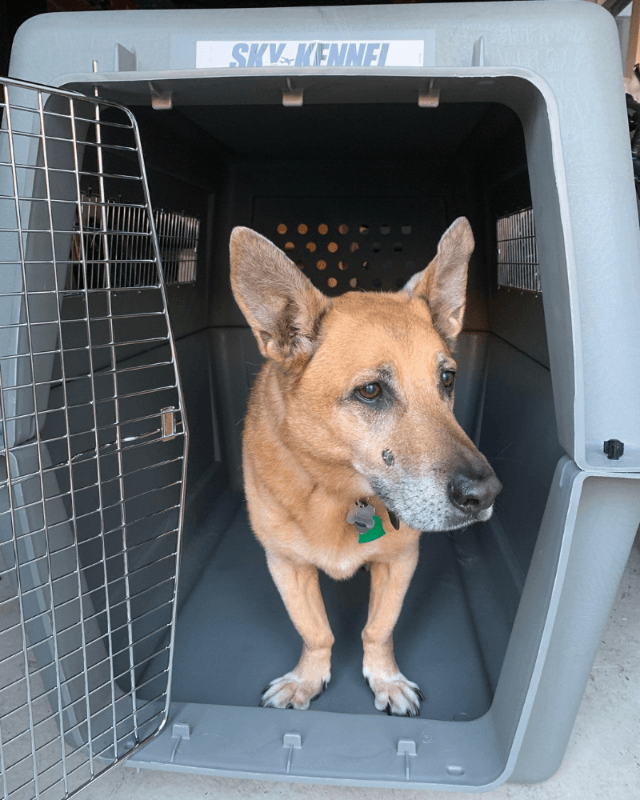
- Crate Training (If Applicable): If you plan to use a crate for travel, ensure your SDIT is comfortable and relaxed in it. They should be able to stand, turn around, and lie down comfortably.
- Simulated Travel Scenarios: Practice sitting in a car for extended periods, walking through doorways that automatically open, and being around people with various assistive devices.
Essential Documentation:
- Proof of Training: As mentioned, have any documentation readily available that verifies your dog is in training. This could be a letter from your trainer or organization.
- Veterinary Records: Ensure your dog’s vaccination records are up-to-date. While not always required for domestic flights, it’s good practice, and some international destinations may demand it.
- Identification: A vest or harness clearly identifying your dog as a “Service Dog in Training” can be helpful, though not legally mandated. Ensure it doesn’t obscure the dog’s ability to move freely.
Navigating the Airport: A Step-by-Step Guide
The airport environment can be overwhelming for both humans and dogs. Breaking down the process into manageable steps can alleviate stress. Remember to remain calm, as your dog will pick up on your emotions.
Check-in and Security:
- Airline Check-in: Contact the airline at least 48 hours in advance to inform them you’ll be traveling with an SDIT. Confirm their specific policies regarding service dogs in training, as some may have unique requirements.
- Ticket Counter: When you arrive at the airport, proceed to the ticket counter. Present any required documentation. The gate agent will likely guide you on the next steps.
- TSA Security: Service animals in training are generally permitted through TSA security. Be prepared to explain your situation to security personnel. Your dog may need to walk through the screening belt or be subject to a pat-down. Ensure your dog is leashed and under your control at all times. It’s advisable to have your dog relieve themselves before entering the security checkpoint.
At the Gate and Boarding:
- Restroom Break: Utilize designated pet relief areas before heading to your gate. These are often found both outside the terminal and sometimes within the secure area.
- Hydration: Offer your dog water at the gate, but be mindful of their need to relieve themselves again before boarding.
- Boarding Process: Boarding with a service animal in training typically follows the airline’s standard procedure for passengers with animals. This usually means boarding with your designated group. Keep your dog close and maintain control.
In-Flight Etiquette and Comfort
The airplane cabin is a confined space, and ensuring your SDIT’s comfort and good behavior is paramount for a peaceful flight.
Settling In:
- Designated Space: Your SDIT should rest at your feet. They should not occupy a seat or block the aisle. Ensure they are not a tripping hazard for flight attendants or other passengers.
- Leash Management: Keep your dog on a leash at all times, attached to you or their harness. This prevents them from wandering and ensures you maintain control.
- Calm Demeanor: Encourage your dog to lie down calmly. Use positive reinforcement if they are well-behaved. Avoid excessive talking or petting that might excite them.
Addressing Needs During the Flight:
- Potty Breaks: In-flight potty breaks are not possible. Ensure your dog has had ample opportunity to relieve themselves before boarding. Consider using potty pads under their resting area if you are concerned about accidents, though this should ideally be unnecessary with a well-trained SDIT.
- Water: Offer water periodically, but avoid over-hydration close to landing if they haven’t had a chance to relieve themselves.
- Food: Avoid feeding your dog a large meal right before or during the flight, as this can increase the likelihood of an upset stomach or accidents.
Common Challenges and Solutions
Even with the best preparation, challenges can arise. Having a plan B can make all the difference.
Dealing with Anxiety and Fear:
- Symptoms: Signs of anxiety can include panting, drooling, trembling, whining, or excessive barking.
- Solutions:
- Calming Aids: Consult your veterinarian about natural calming supplements or pheromone sprays that might help.
- Comfort Items: Bring a familiar blanket or a favorite chew toy that can provide comfort.
- Reassurance: Speak in a calm, reassuring voice and offer gentle physical affection if it helps your dog.
- Professional Guidance: If your SDIT has significant anxiety, work with a professional trainer or behaviorist to address these issues before traveling.
Managing Unexpected Behavior:
- Disruptive Barking: If your dog barks excessively, try to identify the trigger and redirect their attention with a command or a favorite toy.
- Accidents: Accidents can happen, especially with younger dogs. Remain calm, clean up the mess discreetly, and reinforce the importance of potty breaks upon arrival. Most airlines have cleaning kits available if needed.
- Reactions to Other Passengers: Ensure your SDIT is not reacting negatively to other passengers, especially children or those who may be fearful of dogs. Use commands to keep them focused on you.
Beyond the Flight: Continuing the Journey
Arriving at your destination is just the beginning. Continue reinforcing good behavior and providing a stable routine for your SDIT.
Post-Flight Routine:
- Immediate Relief: Take your dog to a designated relief area immediately upon exiting the airport.
- Hydration and Rest: Allow your dog to drink water and find a quiet place to rest and decompress.
- Positive Reinforcement: Praise and reward your dog for their good behavior throughout the travel process.
Ongoing Training and Support:
Remember that flying is just one aspect of public access training. Continue to work on commands, socialization, and desensitization in various environments. The goal is to build a confident, well-behaved canine partner capable of accompanying you anywhere.
Traveling with a service dog in training is a rewarding experience that prepares your dog for a lifetime of partnership. By understanding the regulations, preparing thoroughly, and maintaining a calm and confident approach, you can ensure a positive travel experience for everyone. For more insights and resources on training and caring for your service dog, explore our full range of articles at Dog Care Story.
