
Preventative care is paramount for maintaining your dog’s health and happiness, and one of the most effective strategies is regular use of flea and tick preventatives. Among the diverse options available, Flea And Tick Medication For Dogs Chewable forms have gained significant popularity due to their convenience and effectiveness. This comprehensive guide will delve into why these chewable medications are vital, how to choose the best option for your furry friend, and explore some of the most trusted products on the market, ensuring your dog stays protected year-round.
Why Flea and Tick Prevention is Crucial for Your Dog
Fleas and ticks are external parasites that survive by feeding on your dog’s blood, directly impacting their health. Flea bites can trigger severe allergies, dermatitis, anemia, intense itching, and secondary infections. Tick bites, on the other hand, can lead to localized infections, abscesses, paralysis, and in severe cases, even death.
Beyond direct irritation, these insidious parasites are vectors for a myriad of diseases that can be transmitted to dogs, including:
- Lyme disease
- Ehrlichiosis
- Anaplasmosis
- Rocky Mountain spotted fever
- Babesiosis
It’s critical to note that some of these diseases can even spread to humans, underscoring the importance of diligently keeping fleas and ticks off your dog and out of your home. Taking proactive steps, such as finding suitable flea and tick treatment solutions for your dog, is not just for your pet’s well-being but for your family’s too.
When Do Dogs Need Flea and Tick Prevention?
Fleas and ticks are remarkably resilient and can thrive in diverse geographical regions and climates. Given their persistence and the array of diseases they carry, veterinarians strongly recommend initiating flea and tick prevention when puppies are around 8 weeks old and maintaining this regimen year-round throughout your dog’s life. Consistent, uninterrupted prevention is the most reliable defense against these parasites.
Understanding Chewable Flea and Tick Medications for Dogs
Chewable flea and tick medications are oral tablets designed to be ingested by your dog, often flavored to be palatable like a treat. They work systemically, meaning the active ingredients are absorbed into your dog’s bloodstream. When a flea or tick bites your dog, they ingest the medication and are subsequently killed.
Benefits of Chewable Prevention
The popularity of chewable flea and tick medications stems from several key advantages:
- Ease of Administration: Many dogs readily consume chewable tablets, making them simple to administer, often eliminating the struggle associated with topical applications.
- No Mess or Residue: Unlike topical solutions, chewables leave no oily residue on your dog’s coat, meaning no waiting period before petting or bathing.
- Water-Resistant: Their efficacy is not affected by bathing, swimming, or wet weather, making them ideal for active dogs.
- Protection for Multi-Pet Households: Reduces the risk of transfer to other pets or children who might come into contact with a freshly treated dog.
- Comprehensive Protection: Many chewable options offer broad-spectrum protection, targeting not only fleas and ticks but also heartworms, intestinal worms, and mites.
How Oral Chewables Work
Chewable medications contain active ingredients that, once absorbed into the dog’s system, interfere with the nervous system of fleas and ticks. Isoxazolines, for instance, are a class of drugs commonly found in popular chewables that block neurotransmission in arthropods, leading to paralysis and death of the parasites. This systemic action ensures that any parasite attempting to feed on your dog will be exposed to the medication.
Choosing the Best Flea and Tick Chewable for Your Canine Companion
Selecting the right flea and tick chewable for your dog involves careful consideration of several factors. Given the various options available, always consult with your veterinarian to ensure the chosen product is the best and safest fit for your pet’s unique needs.
Consulting Your Veterinarian
Before making any decisions, a conversation with your vet is paramount. They can provide professional guidance based on your dog’s health history, lifestyle, and local parasite risks. Your veterinarian will help you review product labels and ensure:
- The product is formulated for dogs and appropriate for your dog’s specific age and weight.
- It provides protection against the parasites prevalent in your geographical area and relevant to your dog’s exposure.
- You understand the administration frequency (monthly, quarterly, etc.) and any specific instructions, such as giving with food.
- You are aware of the medication’s onset of action and any potential safety concerns or adverse reactions.
- You know the steps to take in case of an allergic or adverse reaction.
Key Factors to Consider When Selecting a Chewable Medication
Beyond veterinary consultation, here are specific considerations when choosing a chewable medication:
- Species and Weight Range: Always ensure the product is specifically for dogs and falls within your dog’s correct weight range. Dosage is weight-dependent.
- Target Parasites: Some chewables only target fleas, while others provide comprehensive protection against multiple parasites, including various tick species, heartworms, and intestinal worms (roundworms, hookworms, whipworms, tapeworms). Choose a product that covers the threats your dog faces.
- Administration Frequency: Chewables typically require monthly or quarterly administration. Consistency is key, so choose a schedule you can reliably follow.
- Onset of Action: Consider how quickly the medication starts killing parasites. Many chewables begin working within hours, offering rapid relief and protection.
- Safety Concerns and Potential Adverse Reactions: Discuss any potential side effects with your vet, especially if your dog has pre-existing conditions. Certain active ingredients (e.g., isoxazolines) require caution in dogs with a history of seizures or neurological disorders.
- Palatability and Ease of Administration: Since these are chewables, taste matters. While most are flavored to be appealing, some dogs might still be finicky. Monitoring your dog to ensure they consume the entire tablet and do not vomit it up is crucial for efficacy.
Other Important Considerations for Flea and Tick Protection
While focusing on chewable medications, it’s also important to understand broader factors influencing flea and tick prevention strategies. This also includes exploring the most economical flea and tick treatment options for long-term care.
Geography and Local Parasite Populations
The types and prevalence of fleas and ticks can vary significantly by geographic location. Resources like the Companion Animal Parasite Council (CAPCvet.org) offer valuable maps and information to identify common parasites in your area, helping you select a product that provides targeted protection.
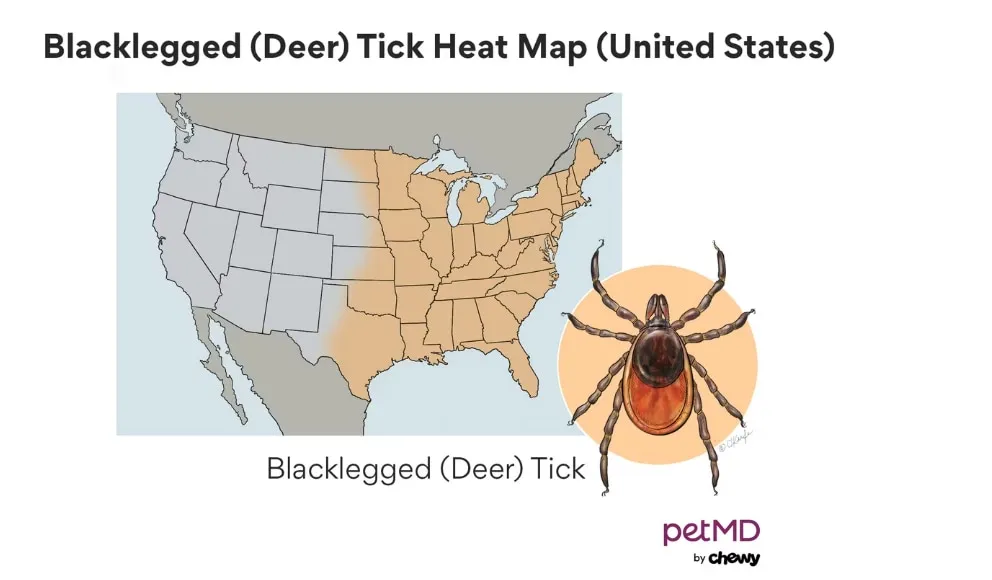 Common tick species posing a health risk to dogs
Access to the Outdoors and Exposure Risk
Consider the environments where your dog spends time. Dog parks, hiking trails, wooded areas, tall grasses, and even your backyard can harbor fleas and ticks. Dogs that spend a lot of time in high-risk areas, or those exposed to other animals, face a higher risk of infestation. Even indoor-only dogs are not immune, as fleas can enter homes on people’s clothing or other pets. Veterinarians advocate for year-round prevention for all dogs, regardless of their outdoor access.
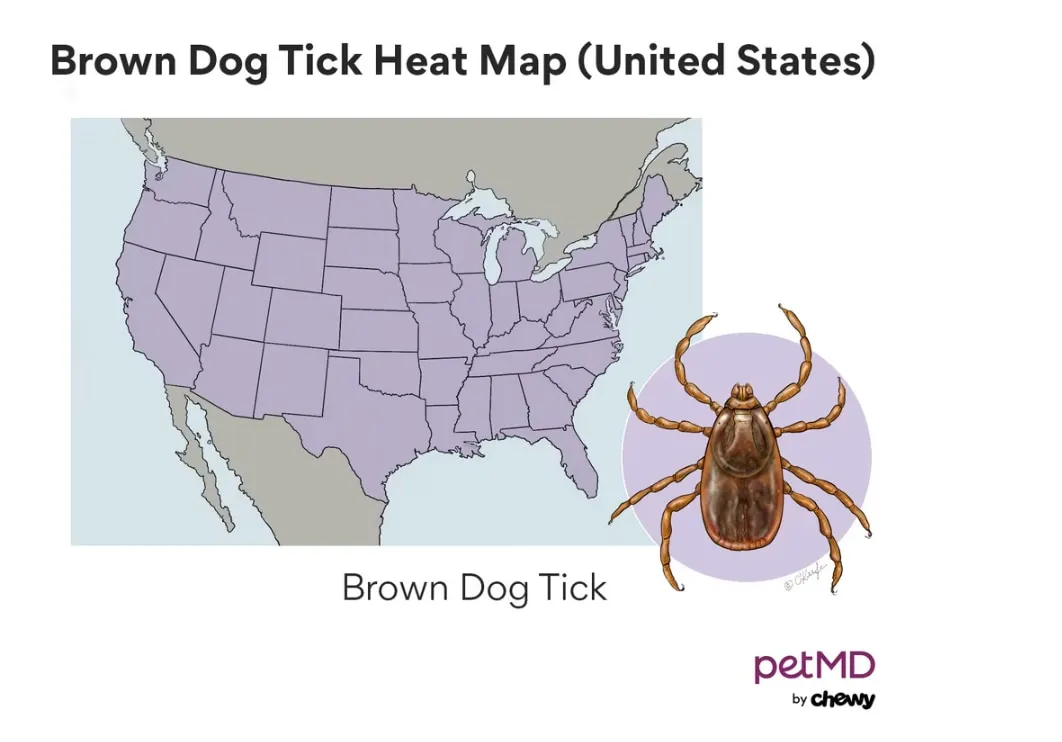 Detailed view of a tick, highlighting its parasitic structure
MDR-1 Gene Mutation and Breed Sensitivity
Certain dog breeds, such as Collies, Australian Shepherds, and Shetland Sheepdogs, may carry an MDR-1 gene mutation. This mutation can affect their ability to metabolize certain medications, making them more sensitive to some active ingredients. While many modern parasite preventatives are tested for safety in MDR-1 mutated dogs, it’s always wise to discuss this with your veterinarian. Genetic testing for the MDR-1 gene is available and recommended for at-risk breeds.
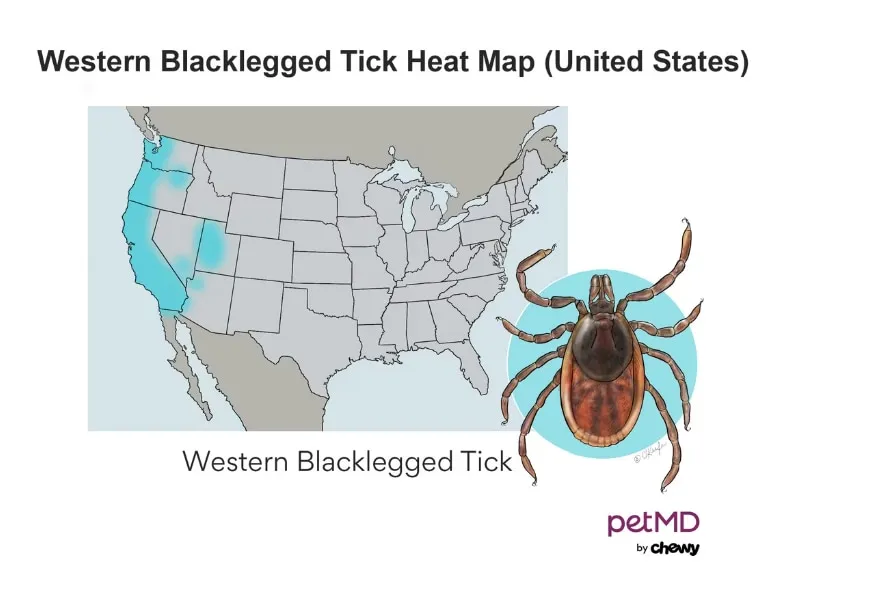 Anatomy of a tick, emphasizing its blood-feeding mechanism
Dog’s Lifestyle and Activity Level
While no breed is inherently more prone to fleas or ticks, a dog’s lifestyle can increase their exposure. Working dogs, herding breeds, or hunting dogs that spend extensive time in fields or forests may require a more robust preventative strategy compared to a mostly indoor companion.
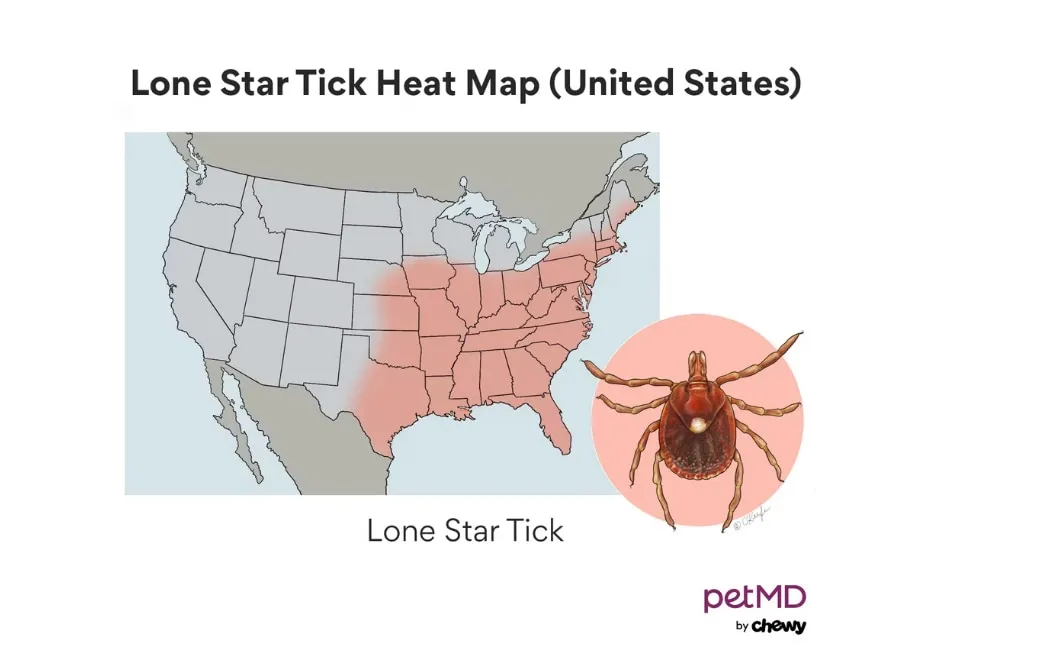 Tick species commonly found in canine habitats, a year-round threat
Life Stage: Puppies vs. Adult Dogs
Puppies and very small adult dogs have specific weight and age requirements for medications. Most chewable flea and tick preventatives have a minimum age of 8 weeks, but always confirm this on the product label and with your veterinarian. Specialized formulations may be available for younger puppies.
Existing Medical Conditions
For dogs with a history of seizures, epilepsy, or neurological disease, certain classes of preventatives, like isoxazolines, should be used with extreme caution and only after thorough discussion with your veterinarian, as they may lower the seizure threshold in susceptible individuals. Additionally, any preventative should be evaluated by a vet if your dog is pregnant, nursing, sick, underweight, or has previously experienced an allergic reaction to medication.
Over-the-Counter vs. Prescription Chewable Options
Flea and tick preventatives are available as both over-the-counter (OTC) and prescription medications.
Over-the-Counter Flea and Tick Chewables
OTC options do not require a veterinary prescription and are widely available online and in pet stores. While convenient, it’s still highly advisable to consult your veterinarian before using any OTC product to ensure it’s safe and effective for your pet. They can help you understand the active ingredients and confirm compatibility with your dog’s health profile.
Prescription Flea and Tick Chewables
Prescription chewables require authorization from your veterinarian. These products often contain newer, more potent active ingredients and have undergone rigorous testing, making them generally more effective and safer. Although they might carry a slightly higher cost, many veterinarians recommend prescription options due to their enhanced efficacy and comprehensive protection.
Popular Chewable Flea and Tick Medications for Dogs
While our primary focus is on chewable medications, it’s helpful to understand the broader landscape of highly-regarded parasite prevention products. Below, we highlight several popular options, with an emphasis on chewable forms and their key features.
Bravecto
Bravecto is a popular chewable tablet (also available as a topical solution) containing fluralaner, an isoxazoline. It’s fast-acting, typically killing fleas within two hours and ticks within 12 hours. Bravecto offers extended protection, often lasting for 12 weeks with a single dose. It’s also effective against demodectic, sarcoptic mange, and ear mites. As an isoxazoline, Bravecto products should be used with caution in dogs with a history of seizures, epilepsy, or neurologic disorders.
Comfortis
Comfortis is a chewable tablet with the active ingredient spinosad. This product primarily targets fleas, acting quickly to kill them within 30 minutes of administration. Comfortis is typically administered monthly and is suitable for dogs and puppies 14 weeks or older and weighing over 5 pounds. It does not provide tick prevention.
Credelio
Credelio is a monthly chewable tablet that contains lotilaner, another isoxazoline drug. It is effective against fleas and ticks, starting to kill fleas within four hours of administration. This product is intended for dogs and puppies over 8 weeks of age and weighing more than 4.4 pounds. Similar to other isoxazolines, Credelio should be used cautiously in dogs with a history of seizures, epilepsy, or neurological disorders.
Credelio Quattro
Credelio Quattro is a comprehensive monthly chewable tablet combining lotilaner (for fleas and ticks) with moxidectin (for heartworms, hookworms, and roundworms), praziquantel (for two species of tapeworms), and pyrantel (for hookworms and roundworms). This offers broad-spectrum protection. Credelio Quattro is available for dogs and puppies 8 weeks of age and older who weigh at least 3.3 pounds.
Nexgard
Nexgard is a monthly chewable tablet featuring afoxolaner, an active ingredient from the isoxazoline class. It is highly effective against fleas, deer ticks, American dog ticks, brown dog ticks, and Lone Star ticks. Nexgard begins killing fleas within four hours and ticks within 48 hours. It can also be used off-label for the treatment of sarcoptic and demodectic mange. This product is suitable for dogs and puppies over 8 weeks old and weighing more than 4 pounds. Due to its isoxazoline component, caution is advised for dogs with a history of seizures or neurological disorders.
Simparica Trio
Simparica Trio is a powerful monthly chewable tablet that offers triple protection with sarolaner (an isoxazoline for fleas and ticks), moxidectin (for heartworm prevention, roundworms, and hookworms), and pyrantel (also for roundworms and hookworms). It also provides extra-label treatment for demodectic mange, sarcoptic mange, and ear mites. Simparica Trio starts killing fleas and ticks within 12 hours. It’s recommended for dogs and puppies over 8 weeks old and weighing more than 2.8 pounds. As it contains an isoxazoline, caution is warranted for dogs with a history of seizures, epilepsy, or neurologic disorders.
Trifexis
Trifexis is a monthly chewable tablet containing spinosad and milbemycin oxime. It provides protection against fleas, hookworms, roundworms, and whipworms, and also prevents heartworm disease. Trifexis is a fast-acting drug, beginning to kill fleas within 30 minutes. It does not offer protection from ticks. Dogs and puppies must be 8 weeks or older and weigh over 5 pounds to use Trifexis.
Other Popular Flea and Tick Preventatives (Non-Chewable)
For completeness, it’s worth noting other highly effective options that are not chewable but are popular choices for flea and tick prevention:
- Advantage II (Topical): A monthly topical solution for fleas and chewing lice, with no tick prevention.
- Advantage Multi (Topical): A monthly topical solution that treats fleas, sarcoptic mange, intestinal parasites (hookworms, roundworms, whipworms), and prevents heartworm disease. No tick prevention.
- Frontline Gold (Topical): A monthly topical product that kills fleas, ticks, and chewing lice, acting quickly within hours.
- Frontline Plus (Topical): Another monthly topical that kills fleas, ticks, and chewing lice, but may take slightly longer to act than Frontline Gold.
- Frontline Shield (Topical): A monthly topical that kills all fleas, ticks, chewing lice, stable flies, and repels mosquitoes and biting flies. Highly toxic to cats.
- K9 Advantix II (Topical): A monthly topical product that repels and kills fleas, ticks, mosquitoes, and chewing lice, and repels biting flies. Highly toxic to cats.
- Onguard Plus (Topical): A monthly topical solution that kills all fleas, ticks, sarcoptic mange, and chewing lice.
- Seresto (Collar): A collar that kills and repels fleas and ticks for up to eight months. Fleas are killed within 24 hours, ticks within 48 hours. Efficacy may be reduced with frequent bathing/swimming.
- Vectra 3D (Topical): A monthly topical product that repels and kills fleas, ticks, mosquitoes, chewing lice, sand and biting flies, and some mites. Highly toxic to cats.
Conclusion: Ensuring Year-Round Protection with Chewable Medications
Protecting your dog from fleas and ticks is an ongoing responsibility that significantly contributes to their overall health and quality of life. Chewable flea and tick medications offer a convenient, effective, and often comprehensive solution for this vital preventative care. By understanding the importance of prevention, consulting with your veterinarian, and carefully considering the various chewable options available, you can choose the best product to keep your canine companion safe from these pervasive parasites year-round. Remember, consistent application is key to maintaining an effective defense and ensuring your dog lives a happy, healthy, and itch-free life.
References
- PetMD. (n.d.). Best Flea & Tick Medications for Dogs. Retrieved from https://www.petmd.com/dog/vet-verified/best-flea-tick-medications-for-dogs
- PetMD. (n.d.). Canine Flea Bite Hypersensitivity (Flea Allergy Dermatitis). Retrieved from https://www.petmd.com/dog/conditions/skin/c_multi_flea_bite_hypersensitivity
- PetMD. (n.d.). Anemia in Dogs. Retrieved from https://www.petmd.com/dog/conditions/systemic/anemia-dogs
- PetMD. (n.d.). Why Is My Dog Itching So Much? Retrieved from https://www.petmd.com/dog/symptoms/why-my-dog-itching-so-much
- PetMD. (n.d.). 6 Tick Diseases in Dogs. Retrieved from https://www.petmd.com/dog/conditions/infectious-parasitic/6-tick-diseases-dogs
- PetMD. (n.d.). Heartworm Disease in Dogs. Retrieved from https://www.petmd.com/dog/conditions/infectious-parasitic/c_dg_heartworm_disease
- PetMD. (n.d.). How to Choose a Flea and Tick Pill for Dogs. Retrieved from https://www.petmd.com/dog/parasites/how-choose-flea-and-tick-pill-dogs
- PetMD. (n.d.). Dogs That Love to Swim. Retrieved from https://www.petmd.com/dog/general-health/dogs-that-love-to-swim
- PetMD. (n.d.). 8 Types of Ticks in Dogs. Retrieved from https://www.petmd.com/dog/general-health/8-types-ticks-dogs
- Companion Animal Parasite Council (CAPCvet). (n.d.). Retrieved from https://capcvet.org/
- PetMD. (n.d.). Collie Dog Breed. Retrieved from https://www.petmd.com/dog/breeds/collie
- PetMD. (n.d.). Australian Shepherd Dog Breed. Retrieved from https://www.petmd.com/dog/breeds/australian-shepherd
- PetMD. (n.d.). Shetland Sheepdog Breed. Retrieved from https://www.petmd.com/dog/breeds/shetland-sheepdog
- PetMD. (n.d.). MDR1 Gene in Dogs. Retrieved from https://www.petmd.com/dog/general-health/mdr1-gene-in-dogs
- PetMD. (n.d.). Best Hunting Dog Breeds. Retrieved from https://www.petmd.com/dog/general-health/best-hunting-dogs
- PetMD. (n.d.). Small Dog Breeds. Retrieved from https://www.petmd.com/dog/general-health/small-dog-breeds
- PetMD. (n.d.). Dog Seizures. Retrieved from https://www.petmd.com/dog/symptoms/dog-seizures
- PetMD. (n.d.). Dog Pregnancy, Birth, and Puppy Care: A Complete Guide. Retrieved from https://www.petmd.com/dog/conditions/reproductive/dog-pregnancy-birth-and-puppy-care-complete-guide
- PetMD. (n.d.). Understanding the Flea Life Cycle. Retrieved from https://www.petmd.com/dog/parasites/evr_multi_understanding_the_flea_life_cycle
- PetMD. (n.d.). Sarcoptic Mange in Dogs. Retrieved from https://www.petmd.com/dog/conditions/skin/c_dg_sarcoptic_mange
- PetMD. (n.d.). Ancylostomiasis (Hookworms) in Dogs. Retrieved from https://www.petmd.com/dog/conditions/infectious-parasitic/c_multi_ancylostomiasis
- PetMD. (n.d.). Ascariasis (Roundworms) in Dogs. Retrieved from https://www.petmd.com/dog/conditions/infectious-parasitic/c_multi_ascariasis
- PetMD. (n.d.). Trichuriasis (Whipworms) in Dogs. Retrieved from https://www.petmd.com/dog/conditions/infectious-parasitic/c_multi_trichuriasis
- PetMD. (n.d.). Epilepsy in Dogs. Retrieved from https://www.petmd.com/dog/conditions/neurological/epilepsy-dogs
- PetMD. (n.d.). Praziquantel for Pets. Retrieved from https://www.petmd.com/pet-medication/praziquantel
- PetMD. (n.d.). Pyrantel Pamoate for Pets. Retrieved from https://www.petmd.com/pet-medication/pyrantel-pamoate
- PetMD. (n.d.). About the Wood Tick (American Dog Tick). Retrieved from https://www.petmd.com/dog/general-health/about-the-wood-tick
- PetMD. (n.d.). Lone Star Tick. Retrieved from http://www.petmd.com/general-health/lone-star-tick
- PetMD. (n.d.). Demodicosis (Demodectic Mange) in Dogs. Retrieved from https://www.petmd.com/dog/conditions/skin/c_multi_Demodicosis
- PetMD. (n.d.). Black Fly Bite in Dogs. Retrieved from https://www.petmd.com/dog/general-health/black-fly-bite-dogs
- PetMD. (n.d.). Seresto (Flumethrin/Imidacloprid). Retrieved from https://www.petmd.com/pet-medication/seresto-flumethrin-imidacloprid
- Chewy. (n.d.). Advantage II. Retrieved from https://www.chewy.com/brands/advantage-ii-6489?utm_source=PetMD_FT&utm_medium=article_dog&utm_campaign=dog_advantage
- Chewy. (n.d.). Advantage Multi. Retrieved from https://www.chewy.com/brands/advantage-multi-6490?utm_source=PetMD_FT&utm_medium=article_dog&utm_campaign=dog_advantage_multi
- Chewy. (n.d.). Bravecto. Retrieved from https://www.chewy.com/brands/shop-dog-16528?utm_source=PetMD_FT&utm_medium=article_dog&utm_campaign=dog_bravecto
- Chewy. (n.d.). Comfortis. Retrieved from https://www.chewy.com/brands/comfortis-6712?utm_source=PetMD_FT&utm_medium=article_dog&utm_campaign=dog_comfortis
- Chewy. (n.d.). Credelio. Retrieved from https://www.chewy.com/brands/credelio-6713?utm_source=PetMD_FT&utm_medium=article_dog&utm_campaign=dog_credelio
- Chewy. (n.d.). Credelio Quattro Chewable Tablets. Retrieved from https://www.chewy.com/credelio-quattro-chewable-tablets/dp/1593790?utm_source=petmd.com&utm_medium=referral&utm_campaign=dog&utm_term=Credelio+Quattro&utm_content=/dog/general-health/flea-and-tick-prevention-and-treatment-dogs
- Chewy. (n.d.). Frontline Gold. Retrieved from https://www.chewy.com/brands/frontline-gold-6541?utm_source=PetMD_FT&utm_medium=article_dog&utm_campaign=dog_frontline_gold
- Chewy. (n.d.). Frontline Plus. Retrieved from https://www.chewy.com/brands/frontline-plus-7968?utm_source=PetMD_FT&utm_medium=article_dog&utm_campaign=dog_frontline_plus
- Chewy. (n.d.). Frontline Shield. Retrieved from https://www.chewy.com/brands/frontline-shield-14165?utm_source=PetMD_FT&utm_medium=article_dog&utm_campaign=dog_frontline_shield
- Chewy. (n.d.). K9 Advantix II. Retrieved from https://www.chewy.com/brands/k9-advantix-ii-6500?utm_source=PetMD_FT&utm_medium=article_dog&utm_campaign=dog_k9advantix
- Chewy. (n.d.). Nexgard. Retrieved from https://www.chewy.com/brands/nexgard-6544?utm_source=PetMD_FT&utm_medium=article_dog&utm_campaign=dog_nexgard
- Chewy. (n.d.). Onguard Plus. Retrieved from https://www.chewy.com/brands/onguard-plus-7168?utm_source=PetMD_FT&utm_medium=article_dog&utm_campaign=dog_onguard
- Chewy. (n.d.). Revolution Topical Solution for Kittens and Puppies. Retrieved from https://www.chewy.com/revolution-topical-solution-kittens/dp/173081?utm_source=petmd.com&utm_medium=referral&utm_campaign=dog&utm_term=Revolution+Topical+Solution+for+Kittens+and+Puppies&utm_content=/dog/general-health/flea-and-tick-prevention-and-treatment-dogs
- Chewy. (n.d.). Simparica Trio. Retrieved from https://www.chewy.com/brands/simparica-trio-11145?utm_source=PetMD_FT&utm_medium=article_dog&utm_campaign=dog_simparica
- Chewy. (n.d.). Trifexis. Retrieved from https://www.chewy.com/brands/trifexis-6726?utm_source=PetMD_FT&utm_medium=article_dog&utm_campaign=dog_trifexis
- Chewy. (n.d.). Vectra 3D. Retrieved from https://www.chewy.com/f/vectra_f1v424628?utm_source=PetMD_FT&utm_medium=article_dog&utm_campaign=dog_vectra
