
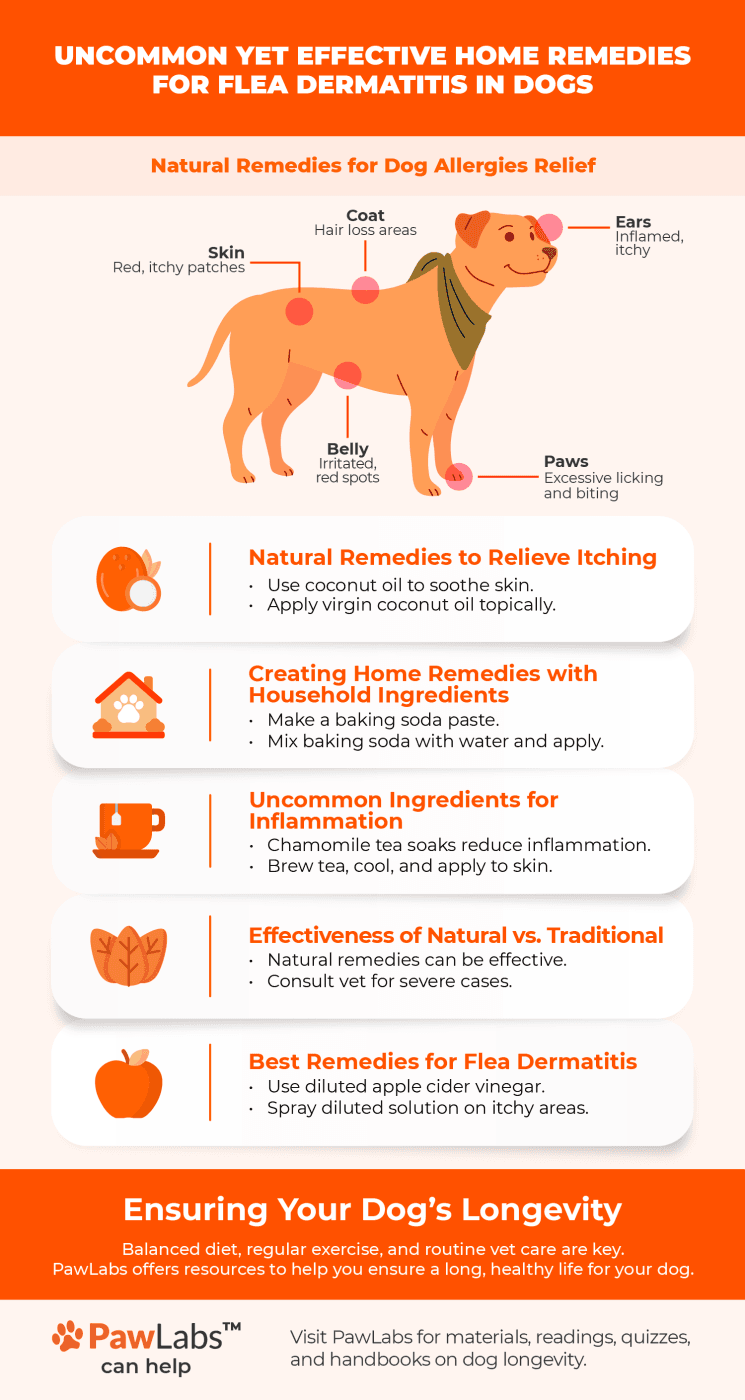
Waking up to your dog’s incessant scratching can be a distressing experience for any pet owner. If you’re worried about your dog’s well-being and fear a potential flea infestation, your furry friend might be suffering from flea allergy dermatitis (FAD). This condition, an allergic reaction to flea saliva, is a common cause of skin issues in dogs, particularly in milder climates. Understanding FAD is crucial for managing your dog’s discomfort and improving their quality of life.
FAD is characterized by a hypersensitivity to proteins found in flea saliva. When fleas bite, they inject saliva into the dog’s bloodstream, triggering an immune response. Over time, this response can become exaggerated, leading to intense itching, scratching, and chewing. The consequences can include hair loss, reddened skin, crusting, scaling, and even secondary skin infections. While not a medical emergency, FAD significantly impacts a dog’s comfort and can strain the bond between a pet and their family. Even if you don’t see fleas on your dog, they could still have FAD.
Key Symptoms of Flea Allergy Dermatitis in Dogs
The intensity of symptoms associated with flea allergy dermatitis can vary, often worsening over time. Common signs to watch for include:
- Intense itching and scratching: This is often the most noticeable symptom.
- Redness of the skin: Inflamed skin is a common indicator.
- Hair loss: Particularly in areas where the dog frequently scratches or chews.
- Crusting and scaling of the skin: These can appear as a result of the allergic reaction and scratching.
- Anemia and lethargy: In cases of severe infestations, the blood loss from numerous flea bites can lead to these more serious symptoms.
Understanding the Causes of Flea Allergy Dermatitis
Flea allergy dermatitis is essentially an allergic reaction, specifically a hypersensitivity to the proteins present in flea saliva. The dog’s immune system overreacts, causing inflammation and the characteristic itching and scratching. It’s important to note that not all dogs are allergic to flea bites; even in multi-pet households, reactions can differ significantly between individuals. While any dog can be affected, FAD is more commonly observed in dogs aged five years and younger.
How Veterinarians Diagnose Flea Allergy Dermatitis
A veterinarian’s diagnosis of FAD typically begins with a thorough physical examination. The presence of fleas or flea dirt (feces) – often detected using a flea comb – combined with the characteristic symptoms, is usually enough to strongly suspect FAD. However, since other skin conditions can present similar symptoms, your vet may recommend further tests to confirm the diagnosis. These can include:
- Skin scrapings: To check for parasitic mites.
In some cases, a positive response to treatment can also help confirm the diagnosis. More advanced tests, such as intradermal skin testing performed by a veterinary dermatologist, are generally not necessary but may be recommended in complex cases.
Treatment Options for Flea Allergy Dermatitis
The treatment strategy for FAD in dogs involves a two-pronged approach: effectively controlling fleas and managing the symptoms.
Flea Control is Paramount
The cornerstone of FAD treatment is rigorous flea control. Fortunately, numerous effective products are readily available. These include:
- Topical treatments: Applied directly to your dog’s skin, such as Bravecto topical solution for dogs.
- Flea collars: Worn around the neck, like Seresto collars.
- Oral chews: Administered monthly, such as Simparica chewable tablets for dogs and NexGard chewables for dogs.
It is crucial to consult your veterinarian to determine the best flea and tick medication for your dog, as different products may be more suitable depending on your dog’s specific needs.
Beyond treating your pet, your environment must also be addressed. Regular vacuuming, especially in hidden corners and under furniture, is essential. Washing your pet’s bedding in hot, soapy water or replacing it is also recommended. Consider professional pest control services to treat your yard with pet-safe chemicals. For indoor use, products like Advantage Carpet and Upholstery Spot Spray can be effective, but always follow instructions precisely, as these should never be applied directly to your pet.
Symptomatic Relief
To alleviate your dog’s discomfort, your veterinarian may prescribe anti-itch medications. These can be in the form of oral tablets or injections and include:
- Steroids: Such as prednisone or dexamethasone.
- Targeted therapies: Like Apoquel and Cytopoint, which specifically address itch signaling.
- Antihistamines: Such as hydroxyzine.
If FAD has led to a secondary skin infection, oral antibiotics like cephalexin, Simplicef, or Clavamox may be necessary. Topical treatments, including antimicrobial or antifungal shampoos, conditioners, and ointments, can also help manage infections, reduce inflammation, and soothe discomfort.
Managing Recovery and Long-Term Care
The flea life cycle typically lasts about three weeks, but pupae can remain dormant in the environment for months. Therefore, treatment for FAD can take anywhere from three weeks to several months to fully resolve. Symptoms usually begin to improve within a few days of consistent treatment. Some products, like Capstar, can start killing fleas within 30 minutes. A recovery cone might be necessary initially to prevent your dog from self-trauma due to persistent biting and chewing. Your veterinarian might also suggest a flea repellent, such as Vectra 3D, used in conjunction with regular flea control to minimize the risk of flea bites.
Preventing Flea Allergy Dermatitis
Year-round, monthly flea control is the most effective preventive measure for all pets. Consistent flea control is often more cost-effective, easier to administer, and more time-efficient in the long run. Ensuring all pets in the household are on a flea prevention regimen is vital to prevent fleas from transferring between animals. Additionally, maintaining a clean home and yard environment by removing debris, mowing the lawn regularly, and discouraging wildlife can significantly reduce flea populations. Concentrate outdoor sprays on shady areas and under structures where fleas thrive. Regular vacuuming and washing pet bedding are also crucial steps in prevention.
Flea Allergy Dermatitis in Dogs FAQs
How do you treat flea allergy dermatitis in dogs?
Treatment involves a dual approach: aggressive flea control using topical or oral medications (e.g., Simparica, Bravecto) and environmental treatment (vacuuming, pet-safe sprays, cleaning bedding). Symptomatic relief with anti-itch medications may also be prescribed.
How long does flea allergy dermatitis last in dogs?
FAD is a chronic condition, meaning dogs may experience flare-ups throughout their lives, even with consistent treatment. Early veterinary intervention is key to preventing secondary infections and managing symptoms effectively.
Can you give a dog Benadryl for flea allergy dermatitis?
While antihistamines like Benadryl have been used historically, they are not as consistently effective as newer medications. Always consult your veterinarian before administering any medication to your dog, as they can provide the most appropriate and predictable treatment plan.
