
There’s an undeniable charm to cats with round faces, expressive eyes, and adorable smushed noses. These distinctive features often come with equally endearing personalities. However, the very traits that make these flat-faced breeds so popular can also lead to specific health considerations. Understanding these needs is crucial for potential and current owners to ensure the best possible care for their feline companions.
Popular Flat-Faced Cat Breeds
Several breeds are known for their charmingly flattened facial structures. Each possesses unique characteristics, temperaments, and grooming requirements that make them special.
Persian
The Persian is one of the most recognizable flat-faced breeds, celebrated for its luxurious long coat and tranquil demeanor. These cats are typically laid-back, preferring gentle lounging over strenuous activity. Daily combing and brushing are essential to prevent matting, a grooming process many Persians actually enjoy, often reciprocating with meows and purrs. Their peaceful nature makes them wonderful companions for quieter households.
British Shorthair
While possessing a slightly longer muzzle than some other flat-faced breeds, the British Shorthair is distinguished by its unmistakably round face and plush fur, giving it a teddy bear-like appearance. They tend to be more independent and prefer keeping their paws on the ground, meaning they aren’t fond of being picked up. Their affectionate yet independent streak makes them well-suited for busy pet parents.
British Longhair
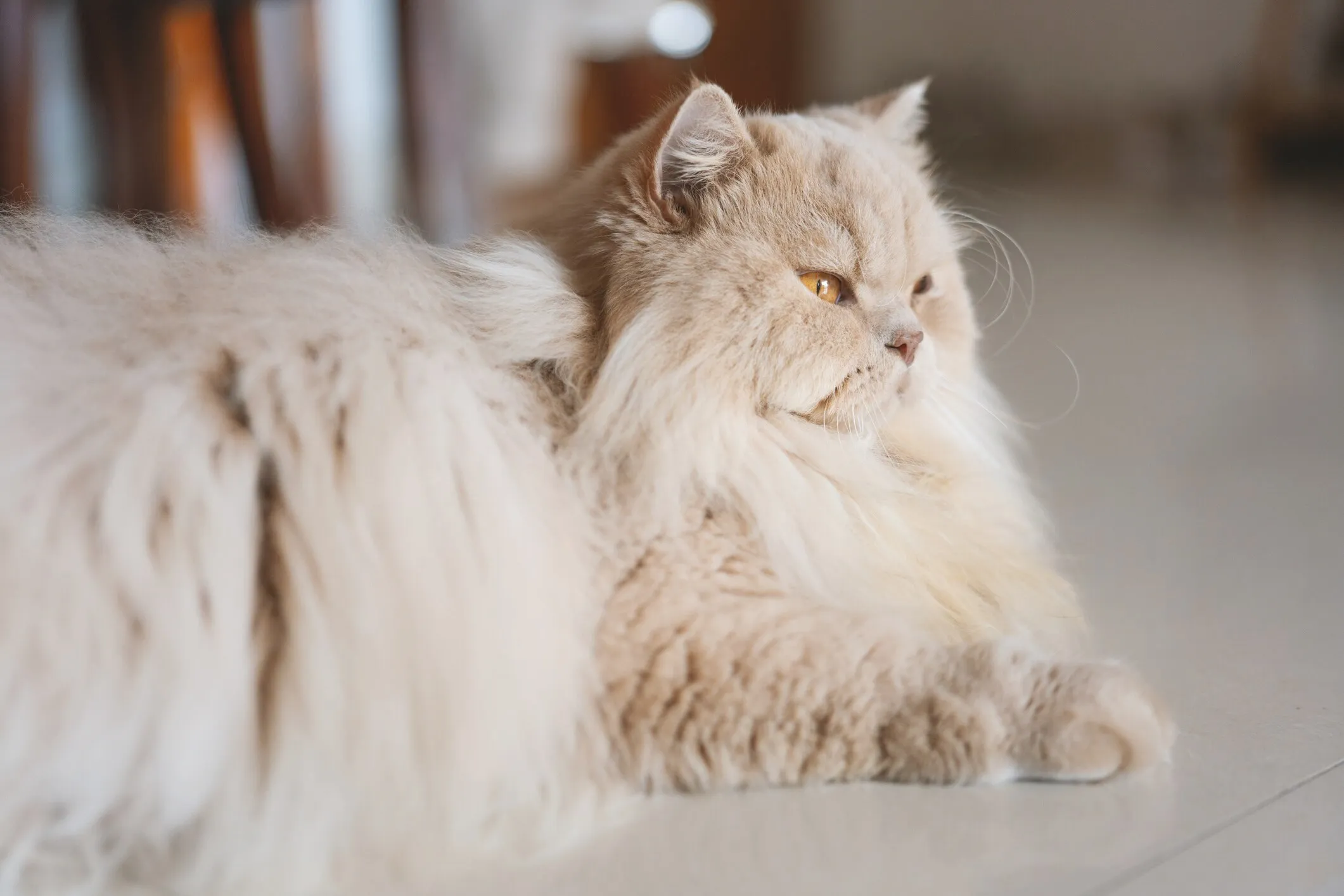 longhaired cream-colored british longhair cat lying downA delightful blend of the British Shorthair and Persian, the British Longhair inherits its thick coat from the Persian and its rounded face from the Shorthair. These intelligent cats are highly food-motivated, making them excellent candidates for [fun training sessions](https://dogcarestory.com/tall-cat-breeds/). This can be a fantastic bonding activity and provides essential mental stimulation.
Exotic Shorthair
Often called the “lazy man’s Persian,” the Exotic Shorthair offers the beloved Persian look without the demanding grooming. Weekly brushing is usually sufficient, with more attention needed during shedding seasons. While not climbers, Exotics are generally more playful than Persians, making them suitable for active families with children and other pets, provided proper introductions are made.
Himalayan
A cross between the Persian and Siamese breeds, the Himalayan boasts the Persian’s luxurious fur and the Siamese’s striking color point markings. They are adaptable and friendly, making them a wonderful addition to many families, provided their daily grooming needs are consistently met.
Scottish Fold
The Scottish Fold is popular for its rounded facial features and unique folded ears. However, ethical concerns surround this breed due to a genetic mutation causing osteochondrodysplasia (OCD), a painful joint condition linked to their folded ears. Understanding feline body language is crucial for owners to recognize any signs of discomfort.
Selkirk Rex
Characterized by a dense coat of curly hair, the Selkirk Rex requires weekly grooming, though excessive brushing can lead to frizz. These cats are typically sweet and people-loving. Early socialization with new people, sights, and sounds is recommended to help them develop into well-adjusted companions.
Health Considerations for Flat-Faced Cats
The unique brachycephalic (flat-faced) anatomy of these breeds can predispose them to certain health issues. The shortened skull bones can lead to various challenges that require owner vigilance and veterinary care.
Brachycephalic Obstructive Airway Syndrome (BOAS)
BOAS encompasses a range of breathing difficulties stemming from the flat-faced structure. This can be due to an elongated soft palate, a narrow windpipe, everted laryngeal saccules, or stenotic nares (narrow nostrils). Symptoms range from cute snorts and snores to more severe issues like open-mouthed breathing, noisy breathing, exercise intolerance, coughing, gagging, and increased breathing effort. These symptoms can worsen with heat, humidity, stress, or if the cat is overweight. Open-mouth breathing requires immediate veterinary attention, and surgery may be necessary in severe cases.
Eye Issues
The shallow eye sockets in flat-faced cats cause their eyes to protrude, making them susceptible to incomplete eyelid closure. This can lead to inflammation and corneal ulcers. Chronic watery eyes and tear staining are also common due to misshapen tear ducts. Owners should monitor for signs of eye distress such as squinting, discharge, redness, or cloudiness, and consult a veterinarian for appropriate eye care products and treatment.
Dental Disease
Dental disease is prevalent in all cats, but flat-faced breeds may be at an even higher risk. Their anatomy often results in overcrowded or misaligned teeth, which can accelerate plaque and tartar buildup. Daily teeth brushing, coupled with regular veterinary checkups and professional dental cleanings, are the most effective ways to prevent and manage dental issues in these cats.
Caring for a flat-faced cat requires a commitment to understanding and addressing their specific needs, from grooming to potential health concerns. With proper attention and veterinary care, these charming breeds can be wonderful and loving additions to any home.
