
Siamese cats have captivated hearts for years with their distinctive charm and intriguing history. Among their many variations, the Flame Point Siamese stands out with its unique and striking coloration. This article delves into the genetic intricacies, visual characteristics, and breed status of these uncommon felines, offering a comprehensive guide for enthusiasts and potential owners.
The Genetic Basis of Colorpoint Patterns
The vibrant coats of cats are a result of melanin, a pigment produced at the base of growing hair. Without melanin, coats appear light, such as white or cream, and give cats their characteristic blue eyes. The production of melanin involves an enzyme called tyrosinase. In colorpoint cats, a heat-sensitive mutated version of this enzyme is present. This mutation hinders melanin production in warmer areas of the body. Consequently, the cooler extremities – paws, face, ears, and tail – develop darker fur where the mutated tyrosinase can function, creating the distinctive colorpoint pattern.
Kittens are born entirely white because the warmth within the mother’s womb prevents melanin production. After birth, as the kittens’ bodies cool, melanin begins to form in these extremities, revealing the colorpoint pattern within weeks. Colorpoint is a recessive gene, meaning two colorpoint cats will always produce pointed kittens. However, pointed kittens can also be born to parents who are not pointed themselves if both carry the recessive gene.
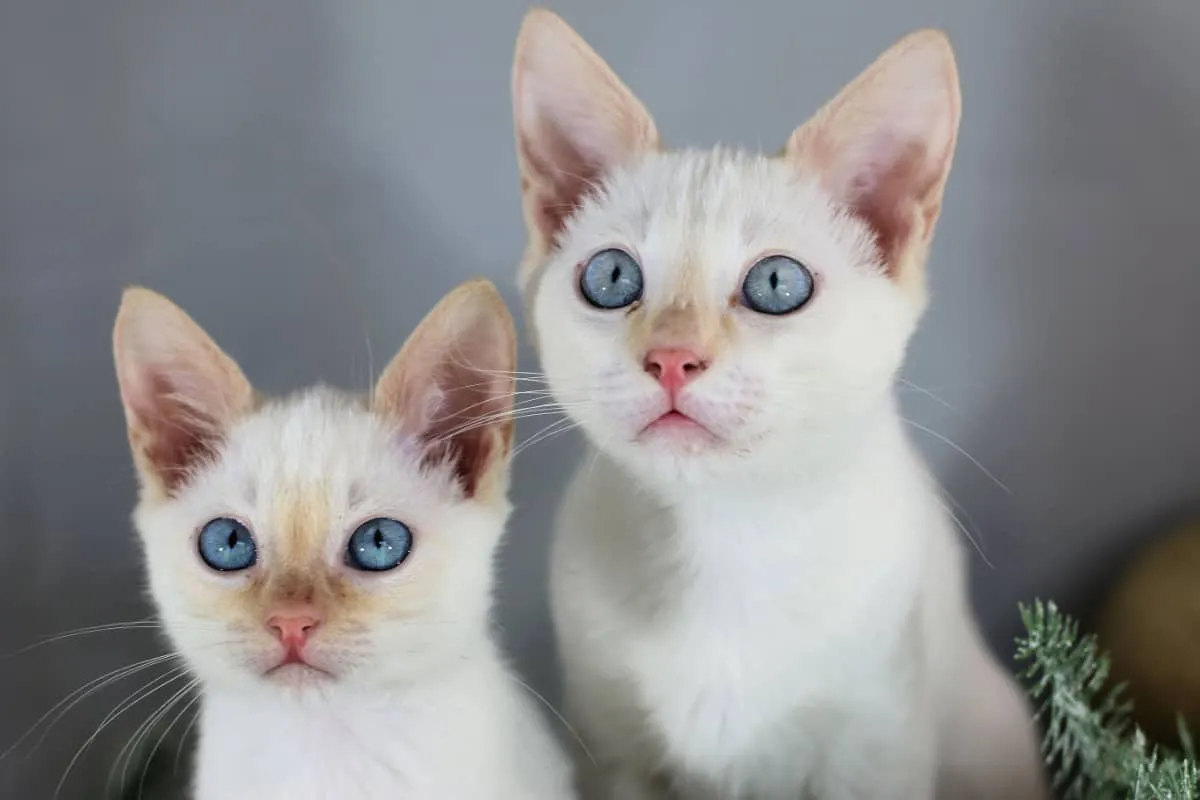 Two blue-eyed Siamese Flame point kittens
Understanding the Flame Point Siamese Variant
Flame point cats exhibit the characteristic colorpoint pattern, but with vivid reddish-orange points. Genetically, they are essentially red tabby cats with two copies of the colorpoint gene. If not for the temperature-sensitive tyrosinase, they would appear as red tabbies. The red gene isn’t recessive, meaning flame point cats invariably have at least one red or tortoiseshell parent. Often, the tabby pattern is visible in the rings on their tail and the distinctive “M” marking on their forehead, common traits of tabby cats. The combination of reddish points and blue eyes creates a uniquely adorable appearance that has garnered many fans.
Read more about their tabby relatives: All About Tabby Cats
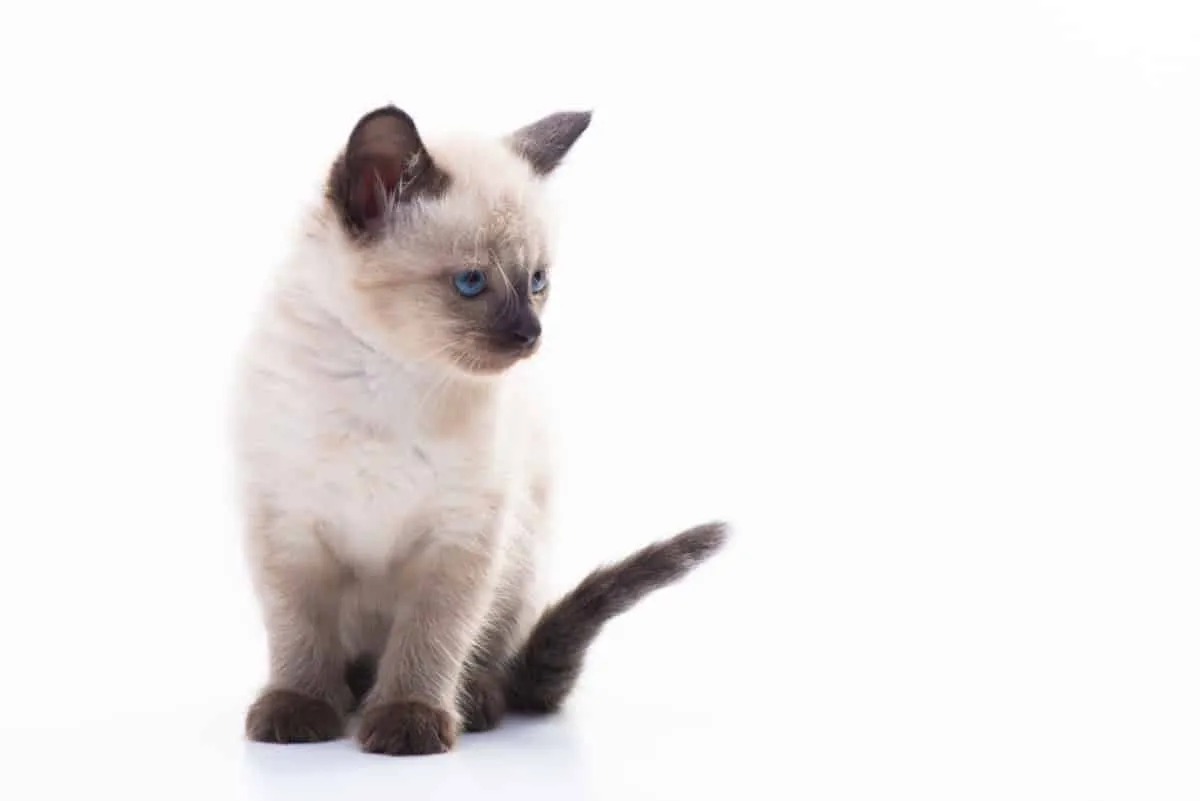 A curious Siamese cat looking back attentively
Visual Characteristics of Flame Point Siamese
All Siamese cats share the colorpoint coat pattern and striking blue eyes. The breed is generally known for its slender, elegant build. Show standards often favor a long body, long legs, large ears, and a wedge-shaped head. Over time, cats bred towards these extreme show standards are sometimes referred to as “modern” Siamese. Conversely, “Traditional” or “Old-Style” Siamese cats possess a more moderate build with rounder heads and bodies.
The acceptance of flame points as an official Siamese color varies among feline associations. The Cat Fanciers Association (CFA) recognizes only four original Siamese colors: seal, chocolate, blue, and lilac. In CFA, flame points, along with tortie points and lynx points, are classified under the Colorpoint Shorthair breed. However, The International Cat Association (TICA) permits flame/red points in their Siamese breed standard, provided the points are clearly marked and distinct from the body color.
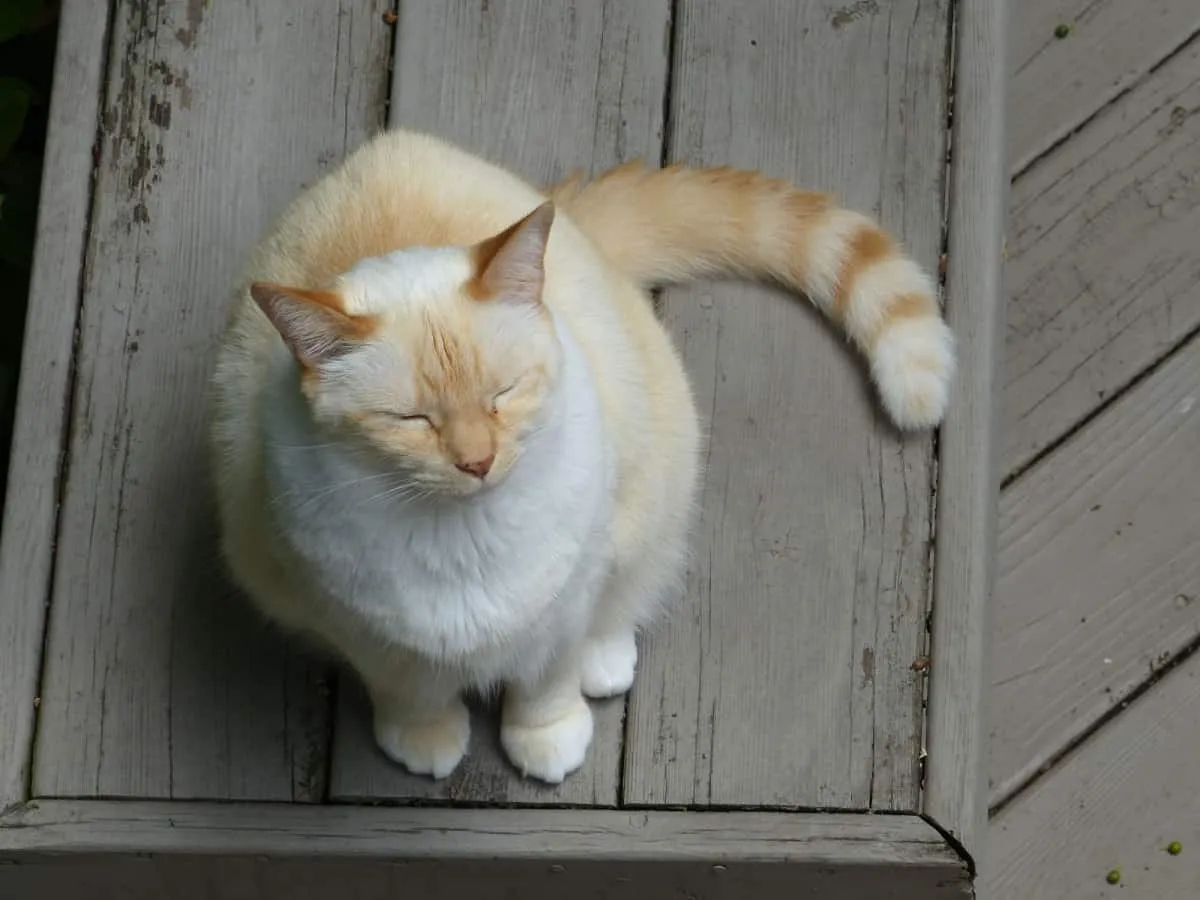 A Siamese cat sitting on a wooden floor
Rarity and Distribution of the Flame Point Color
Flame point is considered an uncommon color in cats. This rarity stems from it being a specific variation of the generally less common recessive colorpoint trait. As mentioned, some registries, like the CFA, do not recognize flame points as a distinct Siamese color. These cats are often categorized as Colorpoint Shorthairs in the CFA, while TICA includes them under the Siamese umbrella. Regardless of breed classification, flame point cats tend to be less prevalent than other Siamese color variations.
Importantly, the flame point coloration is not exclusive to the Siamese breed. Several other breeds allow flame point (redpoint) as a color option, including Ragdoll, Himalayan, Siberian (Neva Masquerade), and Devon Rex, among others. Flame point cats can also be found in shelters and rescues, often as domestic cats without a specific breed lineage but sharing this striking coat color.
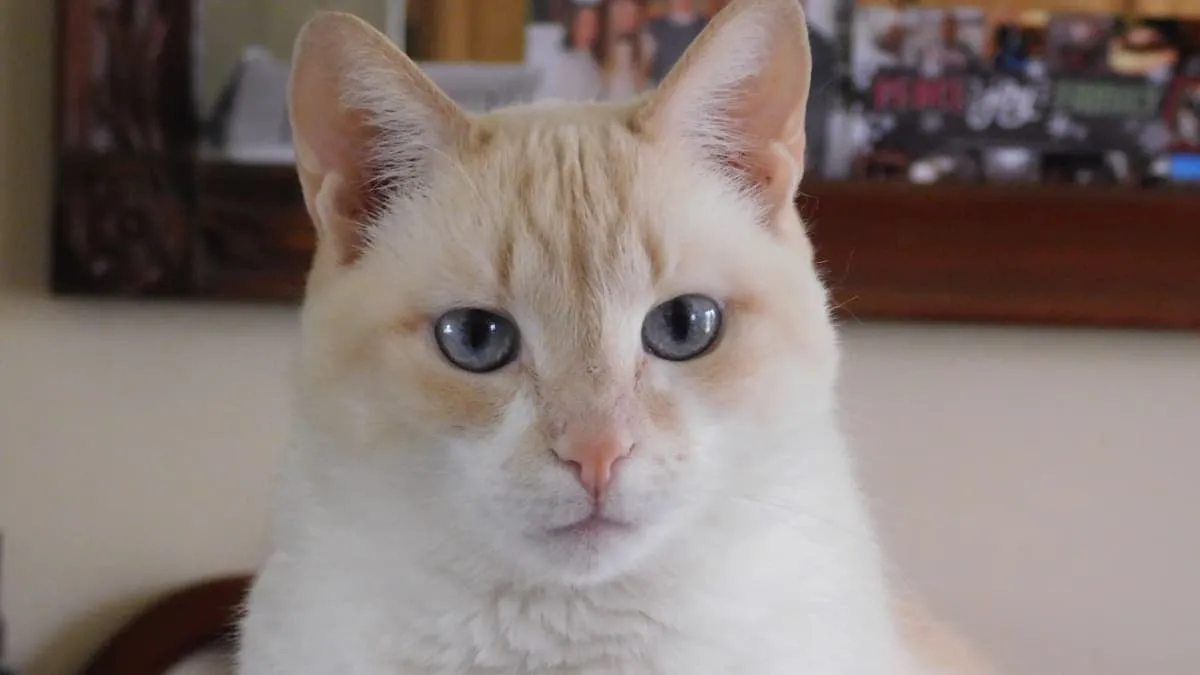 A pretty blue-eyed kitty
Exploring Other Siamese Color Variations
While the official status of the flame point color within the Siamese breed may differ globally, there is consensus on other recognized Siamese colors:
Seal Points
The most traditional Siamese variation, seal points, features dark, almost blackish-brown points against a cream-colored body. The deep hue is reminiscent of a seal’s coloration.
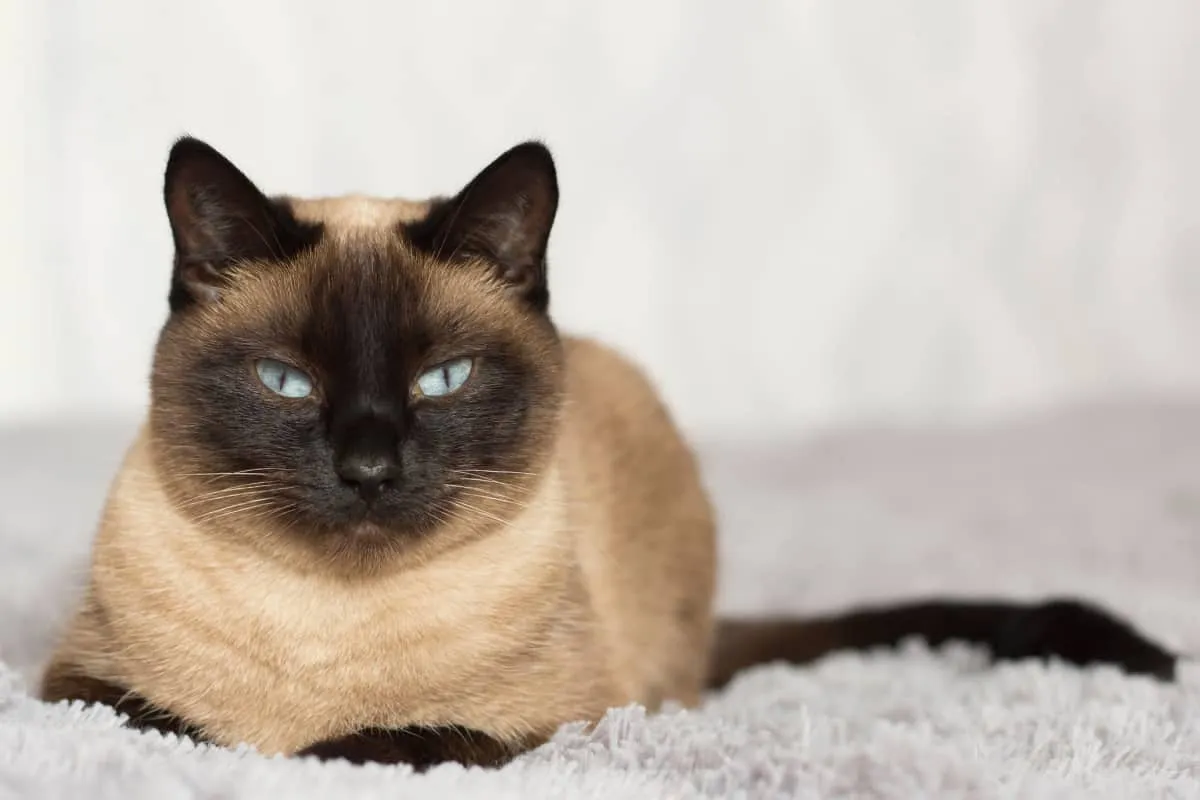 A seal point Siamese laying on a comfy bed
Chocolate Points
Chocolate point Siamese cats have lighter brown extremities and white bodies. Unlike the darker, almost black seal points, chocolate points display more subtle variations and highlights in their brown markings.
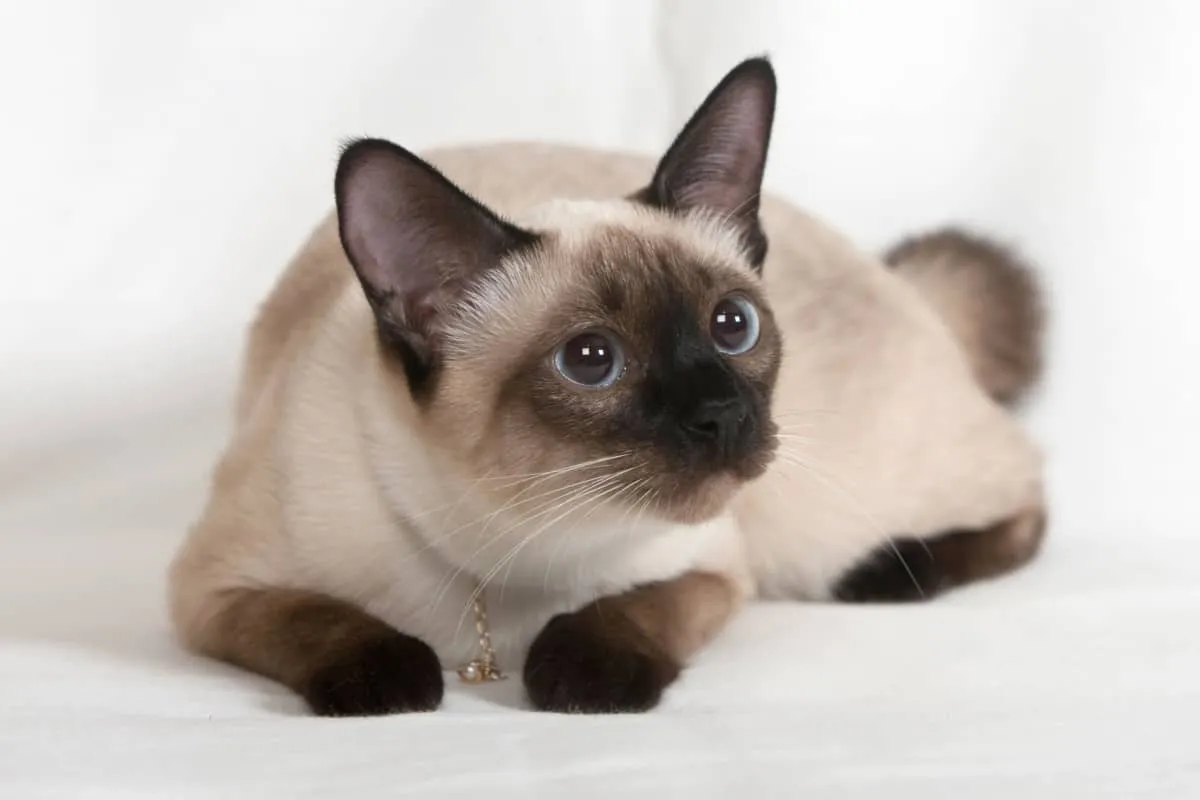 A chocolate point Siamese
Blue Points
Bluepoint Siamese cats have a whitish body with a subtle steel-blue tint, and their points are a distinct steel greyish-blue.
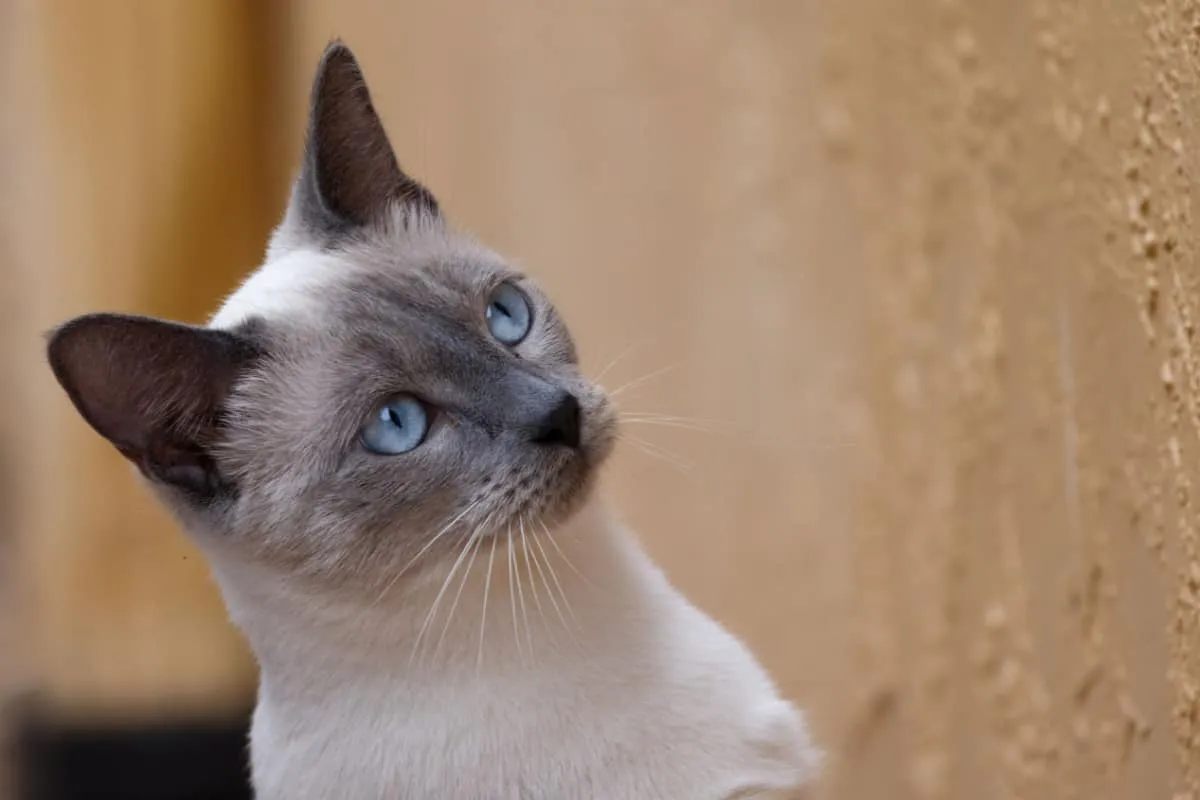 Blue Points Siamese
Lilac Points
Considered a softer version of blue points, lilac points feature an off-white body with points that are a pale grey with a distinct pinkish tint.
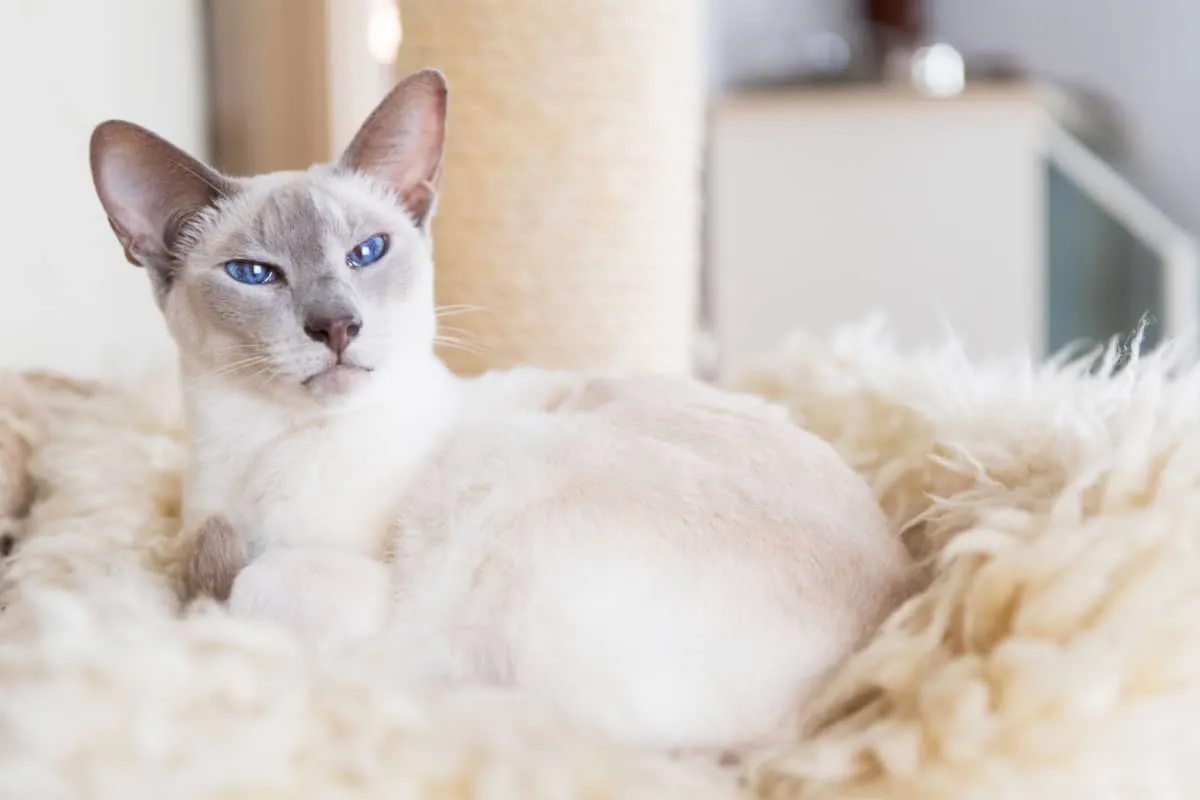 A lilac point Siamese cat in a hanging bed
Other Breeds Featuring Flame Point Coloring
Beyond the Siamese, several other breeds commonly display flame point coloring. These include Persians, Himalayans, Colorpoint Shorthairs, and Ragdolls. It’s important to remember that “flame point” describes fur coloration, not a specific breed. Therefore, domestic cats, both shorthaired and longhaired, can also exhibit this pattern.
Flame Point Persian or Himalayan
Flame Point Persians are often categorized as Himalayans, a variety developed by crossbreeding Siamese and Persian cats. These cats share the cream-colored bodies and flame-colored extremities of Siamese cats but possess the build and facial structure of Persians.
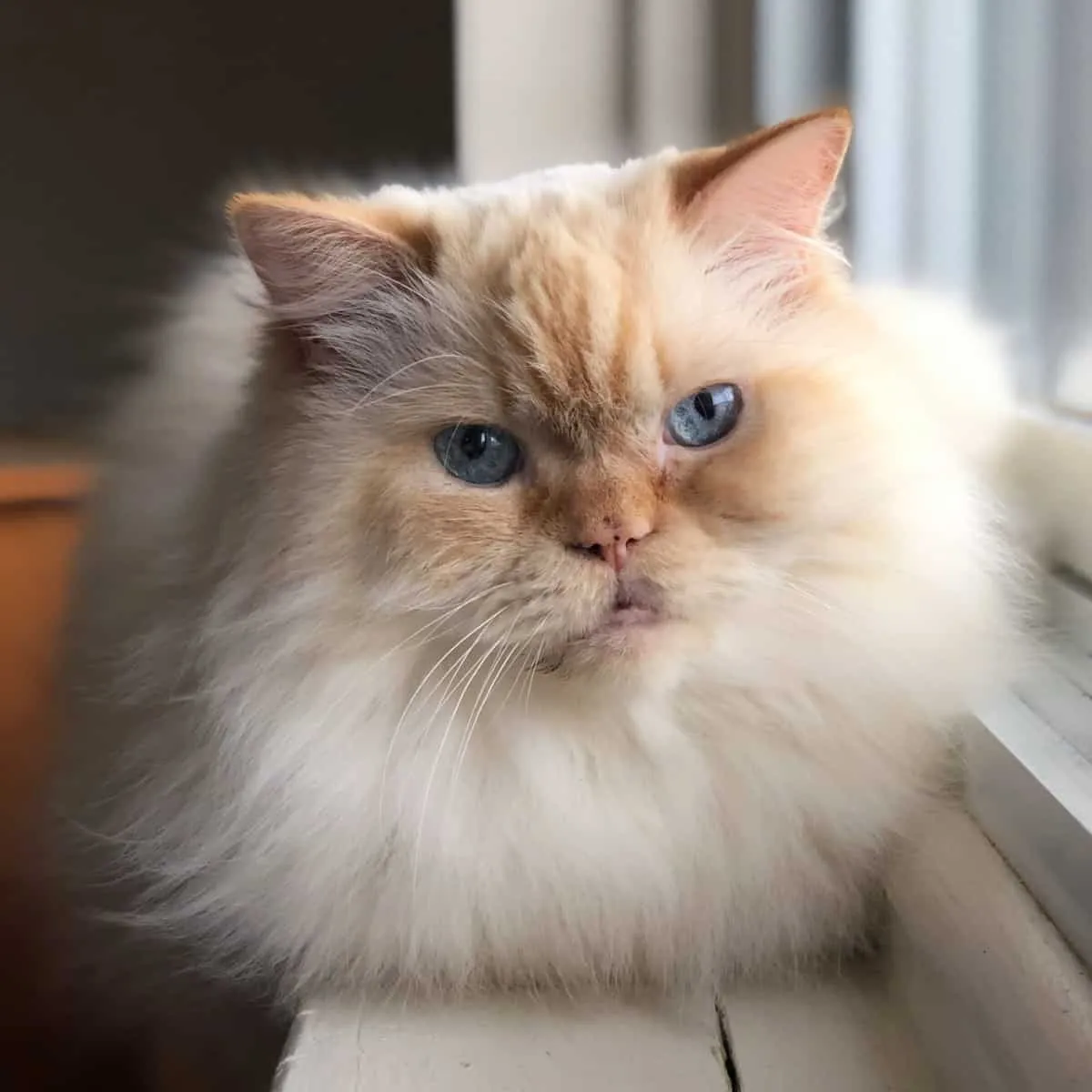 A flame point Himalayan sitting beside a window
Flame Point Ragdoll
A flame point Ragdoll typically has an off-white body with reddish markings on its head, tail, and legs. Ragdolls often feature white markings on their paws and faces and, similar to Himalayans, have long fur.
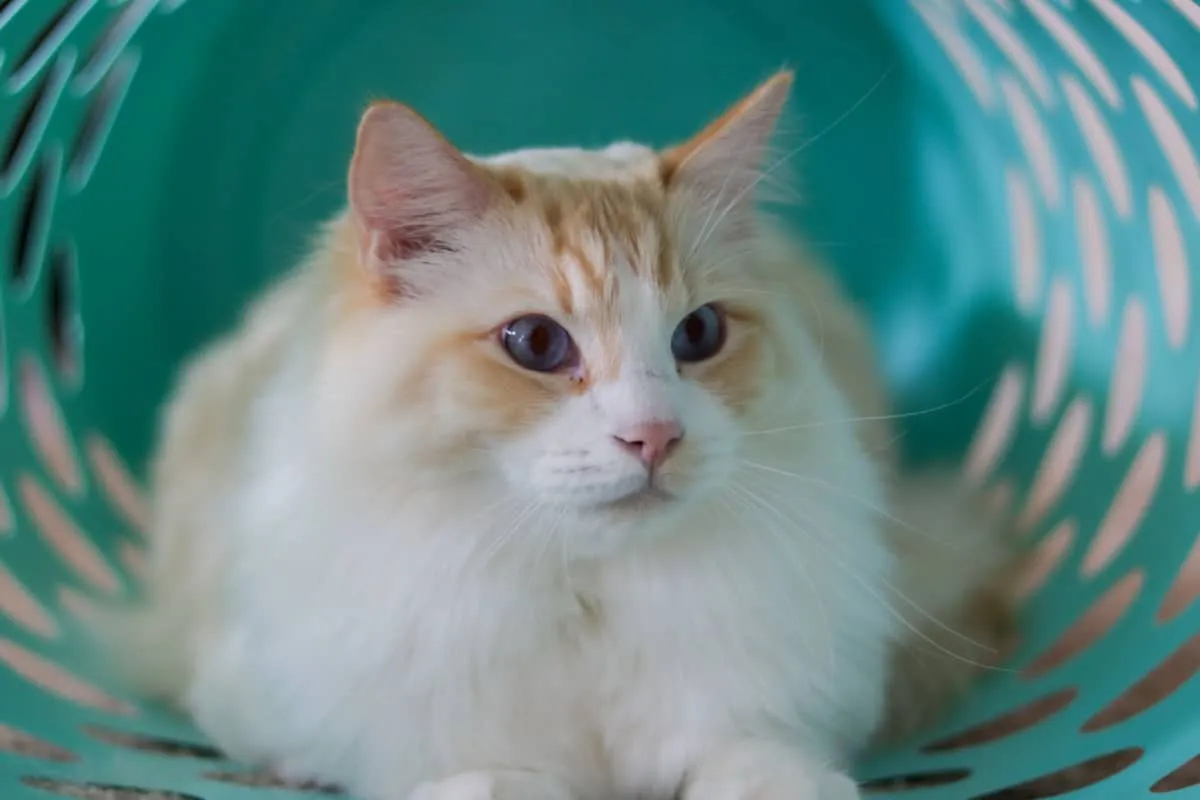 A flame point Ragdoll cat in a laundry basket
Lifespan and Temperament of Flame Point Siamese
Flame Point Siamese cats share the typical lifespan of the Siamese breed, ranging from 15 to 20 years. As “flame point” refers to coloration and not breed, it does not influence a cat’s longevity. Siamese cats, in general, are known for their affectionate, social, and energetic nature. Their intelligence and assertiveness can sometimes be misinterpreted as meanness. They are quick learners and respond best to positive reinforcement. Personality traits are individual to each cat, and a flame point Siamese will exhibit the same temperament as other Siamese color variations.
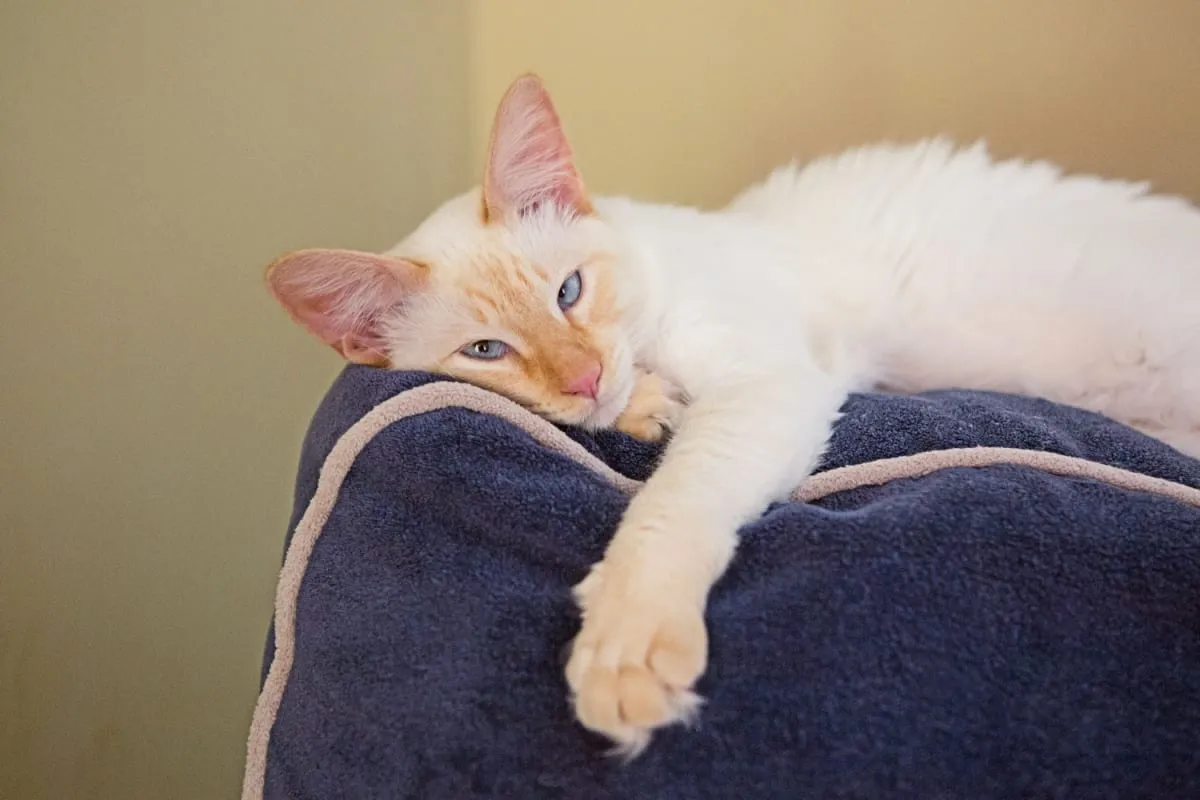 A lazy Flame Point Siamese
Choosing a Reputable Flame Point Siamese Breeder
When seeking a Flame Point Siamese from a breeder, thorough research into their practices is crucial. Reputable breeders prioritize the cats’ welfare, maintain clean catteries, and raise kittens with care. While most are responsible, some may not be dedicated to their cats’ well-being. It’s advisable to consult resources like “Breeding Cats: What Cat Owners Need to Know” for guidance on selecting a humane breeder.
Be wary of breeders who charge significantly higher prices for a specific color simply because it’s considered “rare.” Flame point Siamese kittens should exhibit similar health and personality traits to other Siamese kittens. Ensure that any breeder you consider provides proper documentation to verify the cat’s purebred status, as some may misrepresent unregistered pointed cats as Siamese. Flame point coloring also occurs in non-pedigreed domestic cats. If you are interested in adopting a flame point domestic cat, shelters and rescues are often a good place to look, with many such cats available for adoption.
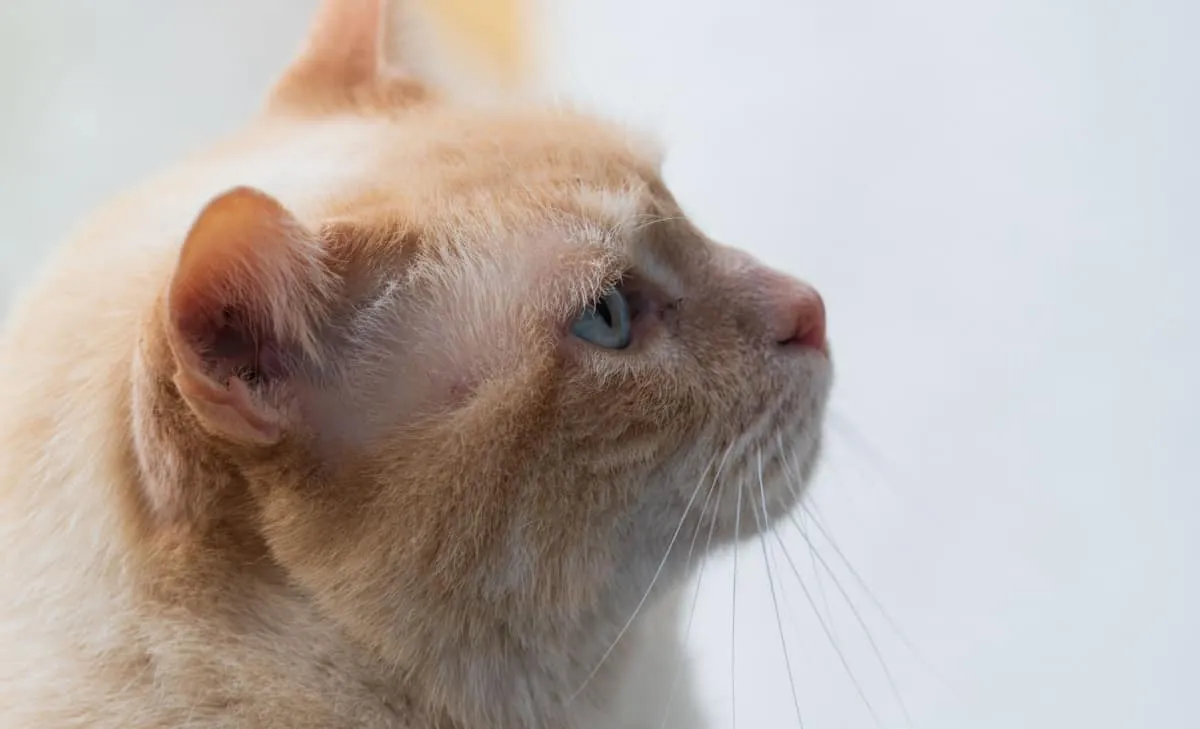 A blue-eyed flame point Siamese cat
Thank you for exploring the world of Flame Point Siamese cats with us. Share this fascinating information with fellow cat lovers and consider pinning the image below for future reference!
You might also be interested in learning more about:
Siamese Cats
Lynx Point Siamese: Cat Facts And Fun
Disclaimer: We may earn commissions from purchases made through links on this page.
