
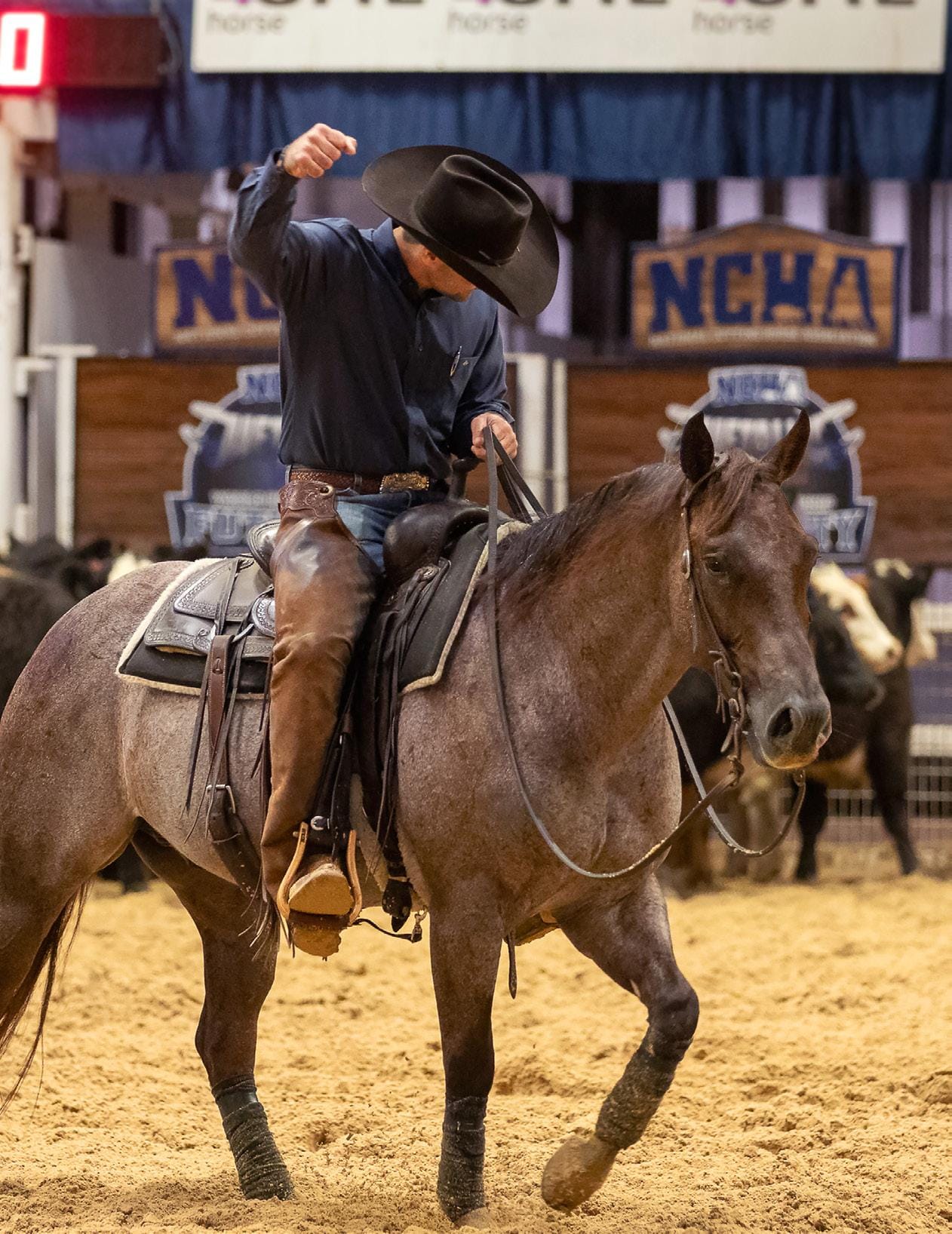
The flag system is an innovative and effective method used in cutting horse training to simulate the unpredictable movements of a calf. This technique is crucial for developing a cutting horse’s ability to react swiftly, maintain balance, and control its movements in response to a dynamic target. Mastering the flag system not only enhances the horse’s performance in the cutting pen but also builds a stronger, more responsive partnership between horse and rider.
Understanding the Core Principles of the Flag System
At its heart, the flag system is designed to mimic the erratic behavior of a calf being cut from a herd. In cutting competitions, the objective is for the horse to isolate a single calf and keep it separated from the rest of the herd for a specified amount of time. This requires the horse to anticipate and react to the calf’s every move, a skill that can be challenging to train without a consistent and controllable simulation. The flag, typically a large, flexible banner attached to a pole, serves this purpose perfectly. It can be moved erratically, simulating the sudden changes in direction and speed a calf might exhibit. This allows trainers to repeatedly practice specific maneuvers and reactions in a controlled environment. The trainer or an assistant operates the flag, gradually introducing more complex patterns as the horse progresses. This systematic approach ensures the horse learns to focus, react appropriately, and develop the necessary agility and responsiveness for the sport.
Benefits of Incorporating the Flag System in Training
The advantages of using the flag system in training are manifold, directly contributing to a cutting horse’s success and the rider’s confidence.
Enhancing Responsiveness and Agility
The primary benefit is the dramatic improvement in the horse’s responsiveness. By consistently engaging with the flag’s movements, the horse learns to read cues and react instantaneously. This heightened awareness translates directly to the arena, where split-second decisions are paramount. The erratic movements of the flag also force the horse to develop superior agility and balance. It learns to shift its weight, adjust its stance, and change direction fluidly, crucial for staying with a quick-moving calf. This consistent practice builds muscle memory and refines the horse’s athletic capabilities.
Developing Focus and Concentration
Cutting requires intense focus. A horse must ignore the surrounding herd and concentrate solely on the target. The flag system is instrumental in cultivating this laser-like concentration. By presenting a dynamic, engaging target, the trainer teaches the horse to keep its attention fixed, regardless of other distractions. This mental discipline is as vital as physical prowess. Repeated controlled exposures to the flag help the horse understand that its job is to focus on the “target” and perform the required maneuvers, regardless of external stimuli.
Providing a Safe and Controlled Training Environment
Unlike training with live cattle, which can be unpredictable and potentially dangerous, the flag system offers a safe and controlled environment. Trainers can adjust the flag’s speed, direction, and intensity at will, gradually increasing the difficulty as the horse gains confidence and skill. This reduces the risk of injury to both horse and rider and allows for more targeted training sessions. It’s a gradual progression, starting with simple movements and advancing to more complex patterns, ensuring the horse is never overwhelmed. This controlled approach is fundamental to building a solid foundation of trust and competence.
Cost-Effectiveness and Accessibility
Training with live cattle can be expensive, requiring access to a herd, specialized facilities, and often the assistance of experienced stock handlers. The flag system, on the other hand, is a more accessible and cost-effective solution. A flag and pole are relatively inexpensive, and training can be conducted in most arenas without the need for live animals. This makes it a viable option for a wider range of trainers and riders, from professionals to amateurs looking to improve their cutting skills. This accessibility democratizes high-level training techniques.
Implementing the Flag System: A Step-by-Step Approach
Successful implementation of the flag system requires patience, consistency, and a clear understanding of progression.
Step 1: Introduction and Desensitization
Begin by introducing the horse to the flag in a calm, non-threatening manner. Allow the horse to see and smell the flag while it is stationary. Gently swing the flag slowly at a distance, gradually bringing it closer as the horse remains relaxed. The goal is to desensitize the horse to the flag’s presence and movement, associating it with positive experiences. Avoid any sudden movements that might startle the horse. This initial phase is critical for building the horse’s comfort level.
Step 2: Basic Movement Simulation
Once the horse is comfortable with the flag, start introducing basic movements. Begin with slow, sweeping motions, mimicking a calm calf. Gradually increase the speed and complexity of the movements, introducing simple turns and changes of direction. Encourage the horse to follow the flag with its eyes and body. At this stage, the focus is on teaching the horse to track the flag.
Step 3: Advanced Maneuvers and Patterning
As the horse becomes more proficient, introduce more advanced maneuvers that simulate challenging cattle movements. This includes sharp turns, quick stops, and sudden changes in direction. Work on establishing specific patterns that help the horse develop its cutting skills, such as “boxing” the flag (keeping it confined to a specific area) or “running” it down the fence. This is where the horse starts to truly learn the nuances of cutting. For example, a common drill involves the trainer moving the flag towards one side of the arena, then quickly reversing its direction.
Step 4: Integrating the Flag with Other Training Tools
The flag system is most effective when integrated with other aspects of cutting horse training. This could include incorporating the flag into drills that also involve working the herd or practicing with a mechanical cow for cutting horse training. The goal is to bridge the gap between flag work and real-life scenarios, ensuring the skills learned are transferable. For instance, after a session with the flag, a rider might then practice moving a single, calm cow, applying the principles learned from the flag.
Key Considerations for Effective Flag Training
Several factors are crucial for maximizing the effectiveness of the flag system and ensuring a positive training experience.
Rider’s Role and Technique
The rider plays a pivotal role in the flag system. The rider must learn to anticipate the flag’s movements and position the horse accordingly, encouraging the horse to stay with the flag. This requires subtle cues and a deep understanding of the horse’s body language. The rider’s ability to provide clear, consistent guidance is paramount. It’s about leading the horse through the exercise, not forcing it. This partnership is built on trust and clear communication.
Consistency and Patience
Like any training method, consistency and patience are non-negotiable. Progress may not always be linear. There will be good days and challenging days. It’s essential to maintain a regular training schedule and remain patient, celebrating small victories along the way. Pushing a horse too hard or too fast can lead to frustration and set-backs. A consistent, gradual approach builds confidence and reinforces learning.
Reading the Horse’s Body Language
Paying close attention to the horse’s body language is vital. Signs of stress, fear, or confusion should be noted and addressed immediately. This might involve returning to an easier exercise, offering a break, or re-evaluating the training approach. Understanding when to push and when to pull back is a hallmark of an experienced trainer. A horse that is relaxed and engaged is learning effectively.
Advanced Applications and Variations
Beyond basic flag work, several advanced applications and variations can further refine a cutting horse’s skills.
Simulating Herd Dynamics
Experienced trainers can use multiple flags or work with an assistant to simulate the dynamics of a herd. This involves introducing more complex scenarios where the horse must differentiate between targets and maintain focus on the primary “calf” (the flag). This level of training prepares the horse for the chaos and complexity of a real cattle pen.
Combining Flag Work with Other Cutting Drills
The flag can be used in conjunction with other cutting drills. For example, after practicing with the flag, a rider might move into working with a single cow to reinforce the learned responses. Some trainers even use the flag to pre-condition horses before they enter the herd pen, helping them focus their attention. This multi-faceted approach ensures well-rounded training.
Conclusion: Elevating Cutting Horse Performance with the Flag System
The flag system is an indispensable tool for anyone serious about cutting horse training. It provides a safe, effective, and accessible method for developing the crucial skills of responsiveness, agility, and focus that define a top-tier cutting horse. By understanding and applying the principles of the flag system, trainers can build a stronger partnership with their horses, unlock their athletic potential, and achieve greater success in the competitive arena. Embracing innovative training methods like the flag system is key to advancing the sport and fostering the incredible bond between horse and rider. For those looking to enhance their skills, exploring resources like best horse training programs can offer further insights into structured learning. Many aspiring trainers also find valuable visual aids in youtube horse training videos, offering diverse perspectives on techniques.
Frequently Asked Questions About Flag System Training for Cutting Horses
Q1: How long does it take to train a horse using the flag system?
A1: Training timelines vary significantly based on the horse’s age, experience, aptitude, and the trainer’s consistency. Some horses may grasp the basics in a few weeks, while others might take several months to master advanced techniques. Patience and consistent practice are key.
Q2: Can the flag system be used for horses other than cutting horses?
A2: While primarily designed for cutting horses, the principles of the flag system—building focus, responsiveness, and agility—can be adapted for other disciplines. For example, it could potentially aid in training horses for reining or other events that require quick, precise movements and concentration.
Q3: What are the risks associated with flag training, and how can they be mitigated?
A3: The primary risks involve a horse becoming spooked by the flag, leading to potential injury. Mitigation strategies include slow, gradual desensitization, consistent positive reinforcement, avoiding sudden movements, and always ensuring the horse feels safe and in control. Never force a horse that is showing signs of distress.
Q4: How does flag training differ from using a mechanical cow for cutting horse training?
A4: The flag is generally simpler and more adaptable for foundational training. A mechanical cow offers a more realistic simulation of a calf’s weight and movement but can be more complex and expensive. Many trainers use the flag for initial learning and then progress to a mechanical cow for more advanced preparation.
Q5: Where can I find a qualified horse trainer experienced with the flag system?
A5: You can look for trainers who specialize in cutting horse disciplines. Recommendations from other riders, local breed associations, or online directories can be helpful. For instance, searching for a horse trainer in Texas, a state with a strong cutting horse community, might yield good results. Asking about their specific training methodologies, including their use of tools like the flag system, is advisable.
