
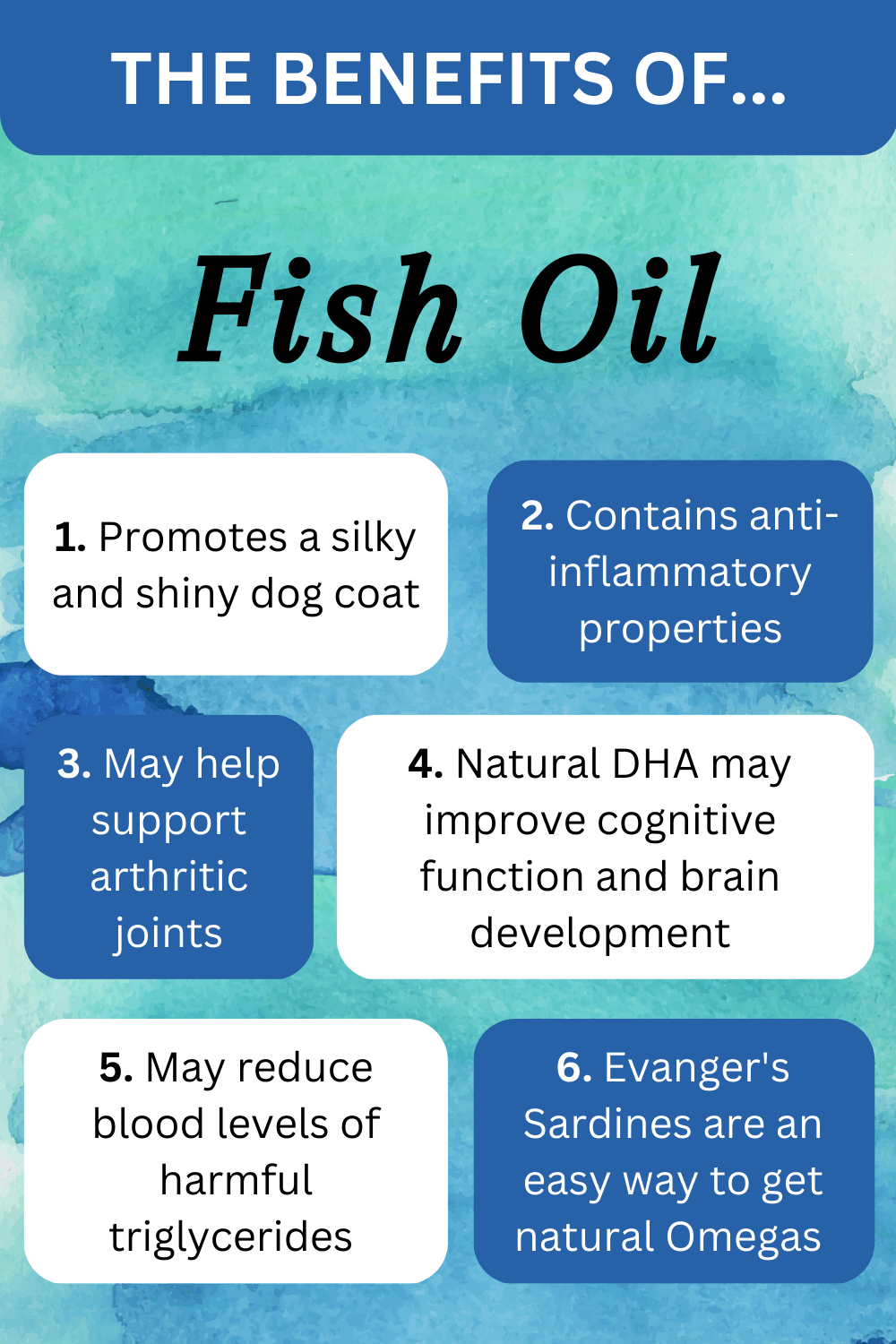
Fish oil is a highly recommended supplement for your dog’s diet, offering a wide range of health advantages. It plays a crucial role in supporting cardiovascular health, promoting a lustrous coat, alleviating itchy and flaky skin, and can provide relief from allergies and joint pain. Furthermore, fish oil can bolster your dog’s immune system and may even contribute to fighting canine cancer. These benefits stem from the presence of omega-3 fatty acids, a type of essential fat vital for your dog’s physical well-being and cognitive function. Similar to humans, dogs cannot synthesize omega-3 fatty acids independently, necessitating their inclusion in their diet. If you’re considering incorporating fish oil into your dog’s nutritional regimen, understanding its components and benefits is essential.
Understanding Fatty Acids in Fish Oil
Dietary fats are broadly categorized into four types: trans fats, saturated fats, monounsaturated fats, and polyunsaturated fats. Omega fatty acids, a subset of polyunsaturated fats, are instrumental in producing hormones that regulate blood flow and inflammation. However, these are not naturally produced within the body. Omega-3 fatty acids are predominantly found in cold-water fish, shellfish, and certain plant-based oils. For dogs, omega-3s are crucial for several reasons.
Omega-3 fatty acids also serve to counterbalance omega-6 fatty acids, which are frequently found in processed foods and grains. Given that many dog food manufacturers utilize meat from corn-fed animals or refined oils—both of which are high in omega-6—dogs often consume an excessive amount of omega-6 in their diet. This imbalance leads to an overabundance of omega-6 and a deficiency in omega-3 fatty acids. While both omega-6 and omega-3 are necessary, modern diets often skew towards too much omega-6. A proper balance between these fatty acids is crucial for canine health, just as it is for humans.
cmannphoto/Getty Images Plus
Why Supplement Your Dog with Fish Oil?
Fish oil serves as an excellent source for providing your dog with the necessary omega-3 fatty acids. Depending on your dog’s overall health and current diet, fish oil supplements can be integrated as a long-term dietary component or serve as a temporary nutritional enhancement. This is why considering best dry dog food for skin and coat may be a good starting point.
A significant advantage of fish oil is its benefit across a dog’s lifespan. Docosahexaenoic acid (DHA), a key component of omega-3 fatty acids, is vital for the proper development of the brain and eyes in puppies. For senior dogs, DHA may also help improve cognitive function in those experiencing canine cognitive dysfunction. Research indicates that omega-3 fatty acids can be beneficial in managing canine arthritis and chronic kidney disease. For those looking for healthy puppy food for small breeds, ensuring it contains adequate omega-3s is important.
As with any dietary change that impacts your dog’s health, it is always recommended to consult your veterinarian before initiating fish oil supplementation.
Choosing the Right Fish Oil for Your Dog
The market offers three primary types of fish oil supplements:
- Natural triglyceride oil: This form is the most natural and readily absorbed by the body. However, due to insufficient purification, it may potentially contain contaminants.
- Ethyl ester oil: This type is concentrated and distilled, effectively removing impurities. It is considered semi-natural and boasts high levels of essential omega-3 components: docosahexaenoic acid (DHA) and eicosapentaenoic acid (EPA). Consider using best fish oil for dogs with itchy skin if your dog suffers from this.
- Synthetic triglyceride oil: As the name suggests, this is a synthetic formulation and is the least easily absorbed among the three types.
When selecting a fish oil for your dog, it’s important to consider their specific breed, size, weight, and overall health status. Consulting with your veterinarian is also crucial. In the long term, using fish oil as a supplement to a grain-based diet might deplete vitamin E levels, potentially necessitating an additional supplement for vitamin E. Sometimes, a general best nutritional supplement for dogs might be recommended.
©Halfpoint – stock.adobe.com
Fish Oil Care and Storage
Proper storage of fish oil is essential to preserve its quality and prevent spoilage. It’s crucial to protect fish oil from heat, light, and air. Opt for fish oil packaged in dark bottles and store it in the refrigerator. Fish oil can become rancid due to oxidation, so it’s important to discard it if it develops an unusual odor. Always refer to your vet for precise dosage recommendations tailored to your dog’s specific size, weight, and age, rather than relying solely on package guidelines. The best fish oil for dogs with dry skin is one that is properly stored.
Achieving a completely natural diet for your dog can be challenging, especially with the prevalence of processed ingredients in many commercial dog foods. Fish oil can be an invaluable supplement to bridge these nutritional gaps. Lastly, always seek professional veterinary advice before introducing any new supplements to your dog’s diet and ensure you purchase high-quality products.
Pet Honesty, a trusted leader in premium, natural pet health products, is on a mission to help dog owners elevate their pet’s vitality for more joyful moments together. These vet-approved, NASC-certified pet supplements provide functional pet health benefits using natural base ingredients, premium active ingredients, and no artificial preservatives. For more information and personalized guidance on Pet Honesty Products, visit pethonesty.com.
