
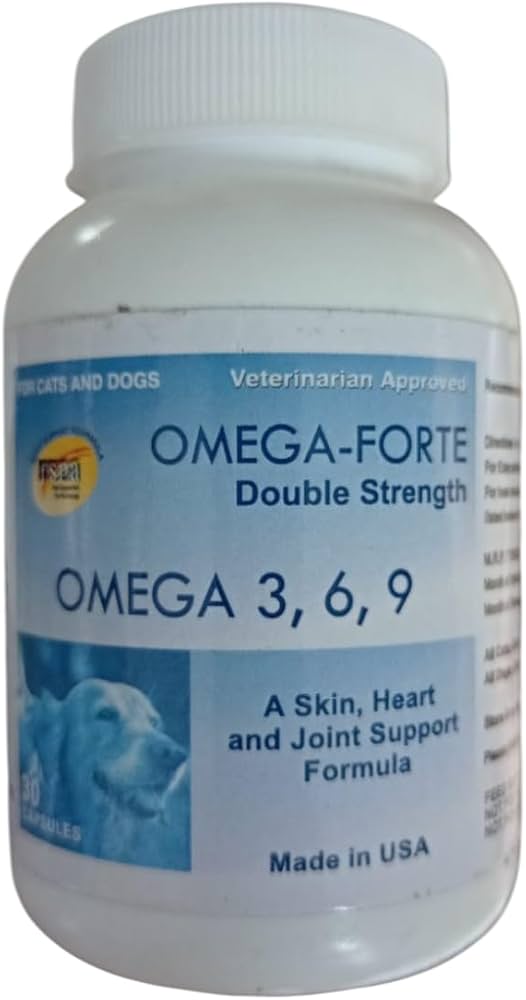
As a devoted pet parent, you’re always seeking ways to enhance your dog’s well-being. Supplements have surged in popularity, and fish oil for dogs is a standout option, lauded for its extensive health advantages. But how exactly does this popular supplement work, and how can you select the best fish oil for your furry friend?
Fish oil is a supplement derived from cold-water fish like salmon, celebrated for its anti-inflammatory properties and its ability to bolster the immune system. It’s a rich source of omega-3 fatty acids, specifically eicosapentaenoic acid (EPA) and docosahexaenoic acid (DHA). These fatty acids act as powerful anti-inflammatory agents, potentially offering relief for a variety of canine conditions. Many pet parents are incorporating fish oil into their dog’s daily meals to support overall health.
Understanding Fish Oil for Dogs
Fish oil is a supplement that offers numerous benefits for dogs, including those seeking best vitamin for dogs skin and coat. It is a natural source of EPA and DHA, which are crucial for various bodily functions. These omega-3 fatty acids are known for their ability to combat inflammation, a common underlying factor in many health issues affecting dogs.
The supplement is available in several forms, including liquids, capsules, and chewable treats, making it easy to administer. It’s important to remember that while fish oil offers many advantages, it should be given under the guidance of a veterinarian to ensure the correct dosage and suitability for your dog’s individual needs.
Key Benefits of Fish Oil for Dogs
The popularity of fish oil for dogs isn’t without reason. It provides a wide array of health benefits that can significantly improve a dog’s quality of life.
Supports Cardiovascular Health
Fish oil has been shown to strengthen a dog’s heart and reduce the risk of irregular heart rhythms, such as atrial fibrillation. Furthermore, it may act as a natural anticoagulant, helping to prevent the formation of blood clots in dogs with heart conditions.
Enhances Skin and Coat Health
For dogs suffering from allergies or dry, flaky skin, fish oil can be a game-changer. It works by reducing the production of inflammatory mediators called cytokines, which are often responsible for the itching and discomfort associated with allergies. This leads to healthier skin and a shinier coat.
Aids in Managing Kidney Disease
In dogs with kidney disease, fish oil can play a crucial role. It helps to lower elevated blood pressure, decrease protein loss in the urine, and reduce the production of inflammatory substances that can further damage the kidneys.
Eases Joint Discomfort
Fish oil is highly beneficial for arthritic dogs. It reduces the production of inflammatory lipids in the joints, leading to decreased pain and improved mobility. Studies indicate that dogs supplemented with fish oil tend to be more comfortable and agile. For owners looking for best joint help for dogs, fish oil is a top consideration, alongside other joint-supporting nutrients that can be found in dog food good for joint health.
Boosts Cognitive Function
Omega-3 fatty acids, particularly DHA, are vital for brain health. Research has shown that supplementing puppies with DHA can enhance their learning and memory skills. In senior dogs experiencing cognitive dysfunction, fish oil has been observed to improve their recognition of familiar people and other animals.
Helps Regulate Triglyceride Levels
Fish oil supplementation may help decrease harmful levels of triglycerides in the blood. This is particularly important for dogs with heart disease, pancreatitis, and inflammatory bowel disease.
Choosing the Best Fish Oil for Your Dog
Selecting the right fish oil product is crucial for maximizing benefits. While numerous options exist, including liquids, capsules, and chewables, your veterinarian is the best resource to help you choose the most suitable product for your dog’s specific health needs and age. Exploring options like royal canin mini light weight care can also be part of a holistic approach to your dog’s health, though specific to weight management.
When researching products, consider those specifically formulated for canines. Some allergy supplements also contain fish oil, such as Vibeful Allergy and Immune Support Soft Chews. Always check the product’s origin and quality to ensure you are providing your dog with a safe and effective supplement. Investing in best vitamins for dogs joints can be beneficial when considering joint health.
How to Administer Fish Oil to Your Dog
Incorporating fish oil into your dog’s diet is straightforward. While a balanced dog food typically contains some omega-3s, the amounts are often minimal. Supplements offer a more concentrated and cost-effective way to ensure your dog receives adequate omega-3s.
Fish oil can be easily mixed with wet food. If using liquid or capsule form, it can be given with or without food. Always adhere to the dosage instructions on the product packaging. If your dog experiences an upset stomach after taking fish oil, such as drooling, pacing, or vomiting, consult your veterinarian. They may recommend giving the fish oil with food, adjusting the dosage, or exploring alternative omega-3 sources. Gradual improvements in your dog’s health may become noticeable within a few weeks.
Dosage and Potential Side Effects
The correct fish oil dosage for your dog depends on the specific product and your pet’s individual needs. It is paramount to consult your veterinarian before starting any new supplement regimen. They will help determine the appropriate dosage and frequency.
While generally safe, some dogs may experience side effects like diarrhea or digestive upset, especially with high doses. If you notice any signs of nausea or gastrointestinal issues, discontinue the supplement and consult your vet.
Frequently Asked Questions About Fish Oil for Dogs
Can dogs take human fish oil?
It’s best to avoid human fish oil supplements. While derived from the same sources, they are dosed for humans and may contain additional ingredients toxic to dogs, like xylitol. Always opt for fish oil formulated specifically for canines.
Does fish oil help with dog allergies?
Yes, fish oil can be highly effective for dogs with allergies, particularly skin allergies. Its anti-inflammatory properties help reduce itching and improve the overall condition of the skin and coat.
Can fish oil reduce anxiety in dogs?
The omega-3 fatty acids in fish oil can positively impact brain neurotransmitters, helping to regulate dopamine and serotonin. This can lead to relaxation and a reduction in anxiety symptoms in dogs.
How much fish oil should I give my dog?
Always consult your veterinarian for precise dosage recommendations. They will consider your dog’s health, size, and the specific fish oil product you are using. Follow the manufacturer’s guidelines and your vet’s advice for safe and effective supplementation.
This content is for informational purposes only and does not constitute veterinary advice. Always consult with a qualified veterinarian for any health concerns or before making any decisions related to your pet’s health or treatment.
