
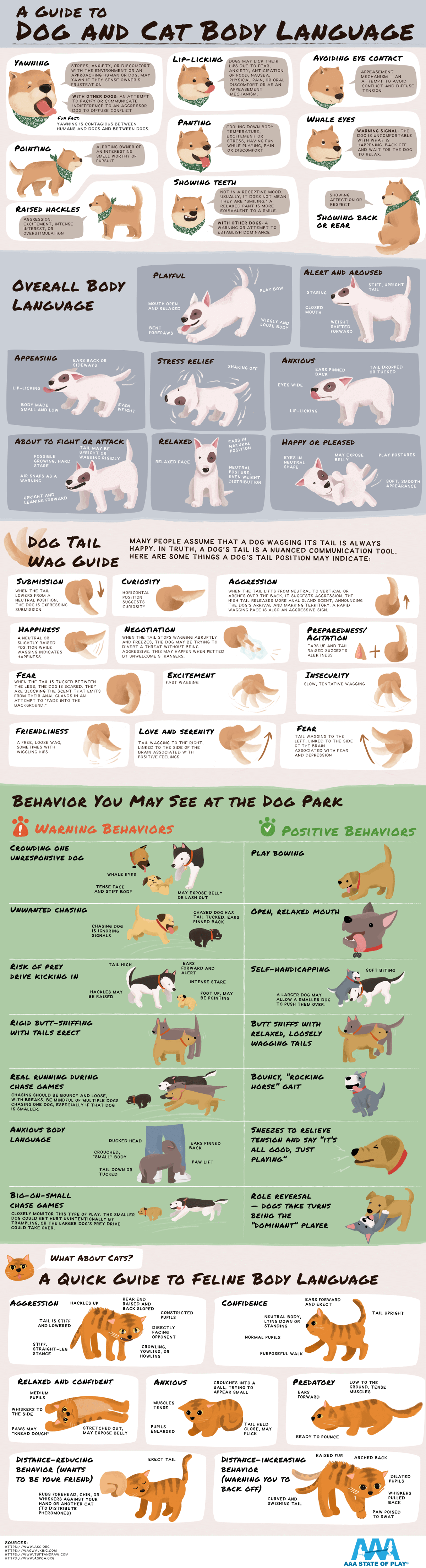
As a Feline Behavior Specialist, I’ve encountered countless pet owners seeking clarity on their cats’ interactions, often mistaking playful behavior for aggression. It’s a common misconception, rooted in how cats learn and develop. Understanding the nuances of kittenhood development, hunting instincts, and the distinct signals of play versus conflict is crucial for fostering a harmonious multi-cat household. This guide will explore these aspects, offering insights into distinguishing between genuine fights and boisterous play, and providing strategies for intervention when necessary.
The Roots of Play: Kittenhood Development
Kittens begin to exhibit playful behaviors as early as three to four weeks old, engaging in playful nips and pawing at their littermates. Their most energetic play phase occurs between seven and fourteen weeks, characterized by stalking, pouncing, and wrestling. This developmental period is vital for honing coordination, balance, and building the muscle memory essential for both play and hunting.
Beyond physical skills, kittens learn crucial social cues and boundary-setting during this time, which significantly influences their interactions as they mature. However, kittens raised without a mother or littermates, or those facing significant health challenges early on, may have impaired social development. This can lead to difficulties in understanding and responding to feline social cues, a common factor in why some cats may appear to be fighting when they are, in fact, merely playing.
The Instinct to Hunt and Its Influence on Play
A cat’s predatory instinct is intrinsically linked to its play behavior. Kittens learn hunting techniques through observation, with their mothers presenting prey—initially dead, then injured, and finally live—to teach them the complete hunting sequence. This process explains why cats often “play” with their prey; it’s an extension of their natural hunting drive. While some hunting traits are innate, learning from a mother figure is essential for developing these skills fully.
For indoor cats, this instinct may manifest as batting at prey without killing it, a behavior mirroring their kittenhood play. This can also be influenced by their well-fed state, reducing their survival-driven predatory drive. Cats who haven’t fully learned to hunt can still acquire these skills later in life by observing experienced hunters. Understanding this connection helps explain why cats might become overstimulated during play or why play can escalate into aggression, potentially leading to fights in homes with multiple cats.
Understanding Feline Aggression: The Art of Fighting
Fighting is an instinctual behavior in cats, serving as a defensive or offensive mechanism depending on the context. Unneutered males are more prone to fighting over territory, and females with kittens may exhibit aggression to protect their young. Generally, most cats, particularly altered ones, prefer to avoid physical confrontations. They may resort to body posturing—flattening themselves to appear smaller or puffing up their fur to seem larger—to deter challengers. These actions are aimed at avoiding a fight, but if a cat feels its safety or territory is threatened, it will engage in fighting for self-preservation.
When Social Cues Go Awry: The “Not Knowing How to Cat” Phenomenon
Cats lacking early socialization may misinterpret or send mixed signals to other felines. This can trigger fights, as a cat attempting to play might have its actions perceived as aggressive by a more socially adept cat. I have worked with numerous foster cats that other cats simply dislike, and it’s not a matter of pickiness. While many cats are accepted by some but not others, certain cats seem universally rejected. These cats often struggle with play, appearing unsure of how to engage. This behavior strongly suggests a deficiency in early social development, likely due to insufficient time with a mother or littermates.
Play can be learned through observation, as seen with a foster cat who intently watched other cats play before beginning to exhibit similar behaviors herself. However, mastering social skills becomes more challenging with age. Introducing such cats to kittens can be beneficial, as kittens naturally establish boundaries in ways that adult cats or humans cannot.
Distinguishing Play from Fights: A Closer Look
Observing daily interactions can reveal much about a cat’s relationship with others. Cats that lounge, snuggle, knead, or groom each other are typically comfortable companions. Conversely, warning signs of an impending fight include stalking, prolonged stares, and passive aggression, such as one cat leaving the room whenever another enters. Recognizing these pre-fight behaviors is crucial for identifying the aggressor and the potential victim, as these roles may not always be clear during an actual fight.
Vocalizations: Hisses, Growls, and Meows
Before Activity: Hisses, growls, and prolonged meows are clear warnings that cats wish to avoid a fight. These vocalizations indicate a standoff that may escalate.
During Activity: In adult cats, hisses and growls might signal that playtime has become too intense or that one cat has had enough. However, kittens often make these sounds during normal play. Close attention to other body language cues is necessary to differentiate between play and a fight.
The Role of Claws: Sheathed vs. Drawn
Sheathed Claws: When cats play, they typically do not extend their claws, as there is no need. The absence of visible claws is a good indicator of play. However, un-trimmed nails can lead to accidental scratches, so a scratch does not automatically signify a fight.
Drawn Claws: If claws are visible before or during an interaction, it strongly suggests a fight is occurring. Claws are a primary defense mechanism, and cats readily use them when threatened.
Eye Contact: Pupils as Indicators
Dilated Pupils: This can signify either intense play or an impending fight. Cats’ pupils dilate to focus on prey during play, and they may do the same when engaging with another cat. However, if accompanied by aggressive vocalizations, it may indicate an impending fight.
Constricted Pupils: Small, slit-like pupils can indicate fear or aggression, often preceding an attack.
Fur: Flattened or Poofed
Flattened or Poofed Fur: Cats fluff their fur to appear larger and deter a potential fight. This behavior indicates insecurity and a feeling of threat, suggesting a readiness to engage.
Activity Patterns: Wrestling vs. Stalking
Wrestling: This is usually a reciprocal activity where both cats engage willingly, rolling, and playfully nipping. It’s a common aspect of healthy play.
Stalking: When one cat stalks or ambushes another, especially near doorways or litter boxes, it’s often an attempt to establish dominance and can escalate into a fight. Redirecting the stalker’s attention with a toy is advisable.
Mouth Movements: Nips vs. Bites
Nips: Playful nips that do not break the skin are common during wrestling or can serve as a gentle warning that a cat has had enough.
Bites: Bites that break the skin or cause clear pain, especially when one cat is clearly trying to escape, are serious indicators of a fight and cause for concern.
Ear Position: Forward vs. Backward
Forward Ears: Ears held in a normal, forward position generally indicate a happy and relaxed cat.
Backward and Flat Ears: Ears pinned back against the head signify that a cat is upset, fearful, or aggressive.
Interaction Dynamics: Turns and Breaks vs. Targeting
Taking Turns and Breaks: Playful cats often alternate who initiates the interaction and take short breaks before resuming.
Targeting and Continuous Activity: If one cat consistently initiates contact and the other does not reciprocate, or if the cats engage in continuous activity without breaks, it suggests a fight rather than play.
Body Language: Relaxed vs. Tense
Relaxed Body: A calm, loose body posture with no visible tension indicates play. Tails may even sway gently on the ground.
Firm Body: A stiff, tense body suggests the cat is bracing for a fight. Tails may thump forcefully on the ground or stand straight up and appear “poofed.”
Intervening in Cat Fights: What to Do
If your cats are fighting, implement the following strategies:
- Never physically intervene: Avoid breaking up a fight with your hands or body, as you risk serious injury.
- Ensure spaying/neutering: Hormonal influences are a common trigger for aggression.
- Increase playtime: Engage your cats in at least 20-30 minutes of daily play to expend excess energy.
- Redirect negative behaviors: Use toys like wand toys, jingling balls, or laser pointers to distract stalking or staring. Ensure laser pointer sessions end with catching a physical toy to prevent frustration.
- Strategic placement of resources: Position food bowls and litter boxes with multiple escape routes, allowing cats to flee if they feel threatened.
- Use disruptive noises: Clap your hands, shake a jar of coins, or hiss loudly to interrupt a standoff or fight.
- Create visual barriers: Use blankets or boxes to block the cats’ view of each other.
- Consider reintroduction: If fights are frequent, separate the cats, swap their belongings, and gradually reintroduce them through feeding and playing on opposite sides of a door, then in the same room.
- Reward peaceful coexistence: Offer treats and praise when cats are in the same space without conflict.
- Provide vertical space: Install shelves or towers to give cats safe areas to retreat from each other.
- Utilize food puzzles: These stimulate a cat’s mind and can help alleviate boredom or stress.
- Consider calming aids: Pheromone diffusers or calming collars may help reduce anxiety and aggression.
Conclusion: Embracing Playful Companionship
Prioritizing the safety of your family and pets is paramount. By remaining observant of your cats’ behaviors, you can identify warning signs of conflict before they escalate. Remember, if your cats are rolling, wrestling, and playfully nipping, they are likely engaged in normal, healthy play. Understanding these behaviors fosters a more peaceful and enjoyable environment for all.
References
- Corrigan, Ryan. WikiHow Pets, How to Know If Cats Are Playing or Fighting.
- International Cat Care, Understanding the Hunting Behavior of Pet Cats: An Introduction.
- Rubenstein, Gale. A Cat Clinic, Fighting or Playing? How Can You Tell?
- Shaw, Hannah. Kitten Lady, Determining a Kitten’s Age.
- Wilde, Layla Morgan. Cat Wisdom 101, Cats: Hardwired to Hunt in 6 Steps.
