
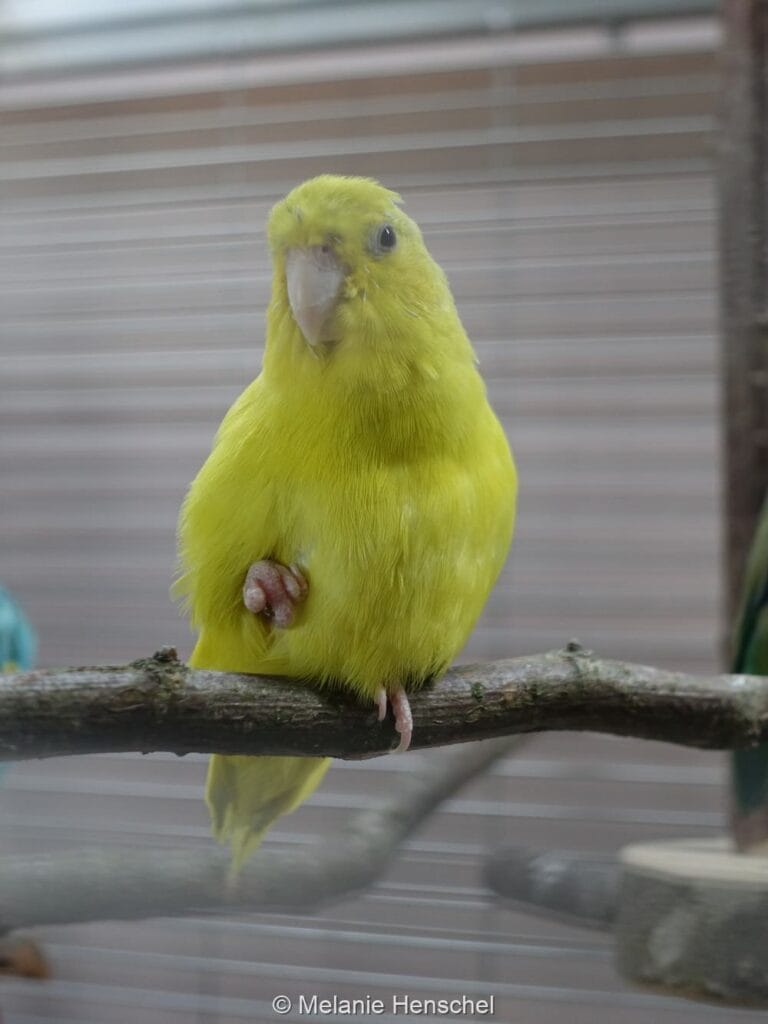
Bringing a new bird into your life, especially one whose behavior differs from what you’re accustomed to, can be a source of concern for any pet owner. This is particularly true when you’re unsure about the specific needs and typical actions of a female budgie, as opposed to the male budgie you may have experience with. This article aims to provide guidance and address common worries about female budgie behavior, focusing on stress, activity levels, and environmental factors. If you’ve recently noticed concerning behaviors in your female budgie, such as chewing on cage perches or appearing stressed and quiet, understanding the potential causes is the first step toward ensuring her well-being.
Common Concerns with Female Budgie Behavior
Many budgie owners are familiar with the generally vocal and active nature of male budgies. However, female budgies can exhibit different behaviors that might be misinterpreted as signs of distress or illness. A common observation is that female budgies may be quieter and less inclined to engage with toys compared to their male counterparts. This difference doesn’t necessarily indicate a problem. It could be a natural variation in personality or a reflection of their environment.
One specific concern mentioned is a chewed perch, which can be a natural behavior for budgies as they like to chew. While a damaged perch should ideally be replaced for safety, the act of chewing itself is normal. The more pressing concern is the bird’s apparent stress. If a budgie seems consistently scared or withdrawn, it’s important to investigate the underlying causes.
Factors Influencing Budgie Behavior
Several factors can contribute to a budgie’s behavior and overall demeanor:
- Environment: The bird’s cage setup, its location within the home, and the presence of other pets or loud noises can all impact her stress levels. A cage that is too small, lacks appropriate perches and toys, or is placed in a high-traffic, noisy area can make a budgie feel insecure. Budgie/Parakeet care often emphasizes providing a stimulating and safe environment.
- Social Interaction: While budgies are social creatures, their interactions with humans and other pets need to be managed carefully. A budgie that isn’t used to a particular person might be timid around them. Conversely, if a budgie is handled too roughly or exposed to sudden movements, it can develop fear.
- Diet and Health: A balanced diet is crucial for a budgie’s physical and mental health. Nutritional deficiencies can lead to lethargy and changes in behavior. Ensuring the bird has access to fresh water and a varied diet of seeds, pellets, and fresh vegetables is essential. Behavior issues can sometimes stem from underlying health problems.
- Individual Personality: Just like humans, budgies have individual personalities. Some are naturally more outgoing and vocal, while others are shyer and more reserved. It’s important not to compare your partner’s bird directly to your own budgie, as they may simply have different temperaments.
Addressing Stress and Encouraging Activity
If you suspect your female budgie is stressed, consider the following steps:
- Assess the Environment: Ensure the cage is in a quiet, safe location, away from direct sunlight, drafts, and potential predators (like other household pets). Provide a variety of perches of different textures and sizes, as well as safe chew toys. Regularly inspect and replace any damaged perches.
- Gradual Socialization: Approach the bird calmly and speak in a soft voice. Allow her to observe you from her cage before attempting any interaction. Gradually introduce supervised out-of-cage time in a safe, enclosed area.
- Enrichment: Offer a variety of toys that encourage natural behaviors like foraging, shredding, and climbing. Rotate toys regularly to keep her engaged.
- Dietary Review: Ensure her diet is balanced and appropriate for a budgie. Consult with a veterinarian if you have concerns about her nutrition.
- Observe for Health Issues: If the lack of activity and vocalization persists, or if you notice other symptoms like changes in droppings, feather plucking, or loss of appetite, it’s vital to consult an avian veterinarian.
Conclusion
It’s natural to worry about the well-being of our pets, and your concern for your partner’s female budgie is understandable. While female budgies may exhibit different behaviors than males, a quiet demeanor doesn’t always signal a problem. By carefully assessing her environment, socialization, and overall health, you can address potential stressors and help her thrive. Remember that every bird is an individual, and patience and understanding are key to building a trusting relationship and ensuring her happiness. If you continue to have concerns, seeking professional advice from an avian veterinarian is always recommended.
