
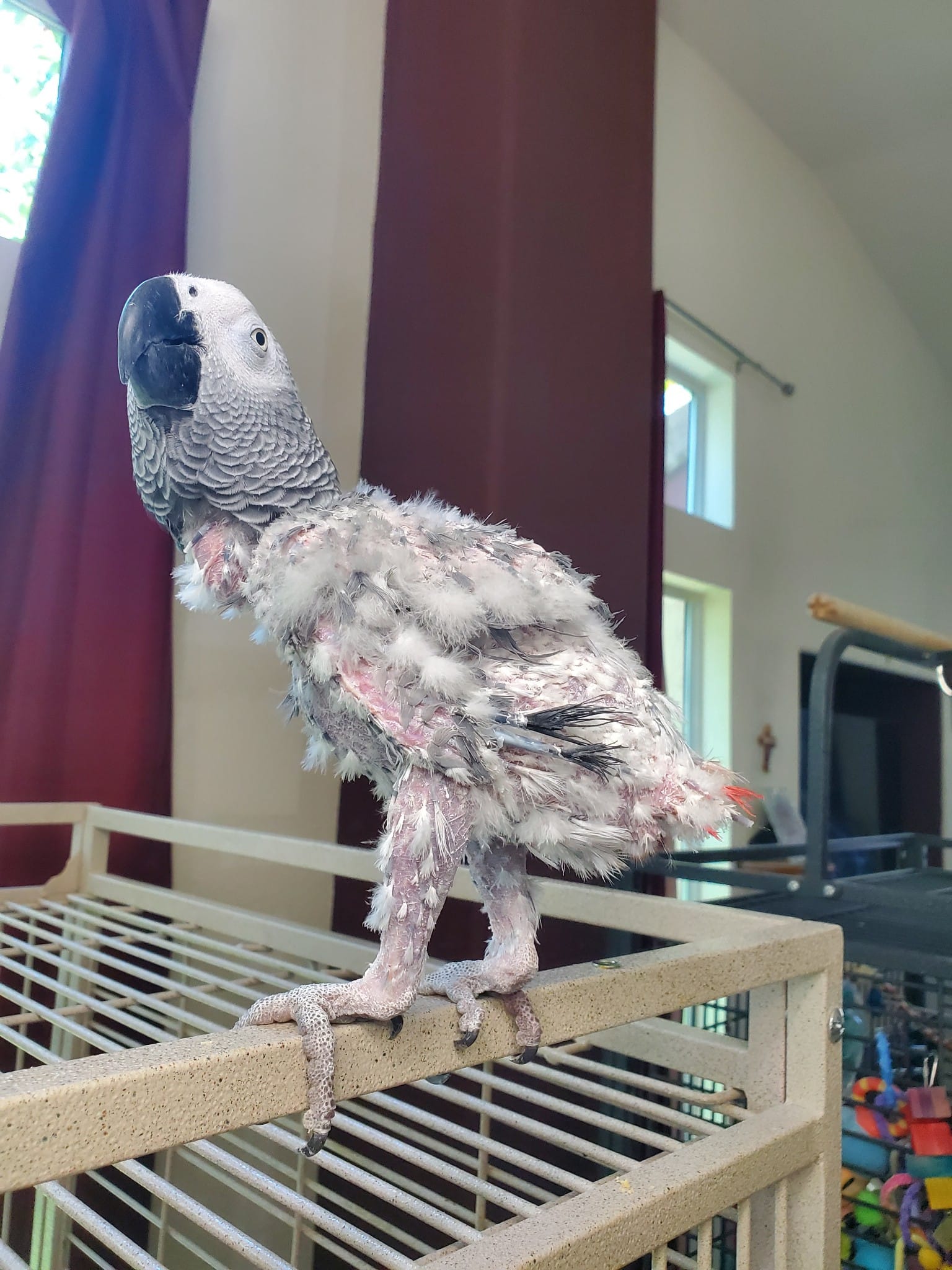
Bringing a new bird into your home is an exciting experience, but it also comes with the responsibility of understanding their unique needs and instincts. For bird owners, especially those with conures or other parrot species, certain seemingly innocuous items like “happy huts” or bird tents can pose serious health risks. Beyond immediate dangers, understanding and managing hormonal behavior is crucial for maintaining a healthy bond with your feathered companions. This guide will delve into the risks associated with fiber-based bird huts and provide practical strategies for discouraging unwanted hormonal and egg-laying behaviors in your pet birds.
The Hidden Dangers of Fiber-Based Bird Huts
“Happy huts,” often marketed as cozy sleeping or nesting spots for pet birds, are constructed from fibrous materials that can be extremely dangerous, particularly for conures. These fibers pose a significant threat because birds have a natural instinct to nibble and chew on their surroundings. When birds ingest these fibers, they can accumulate in the digestive tract, leading to serious health issues and, tragically, death. The problem is compounded during grooming, as loose fibers can cling to feathers, and birds may accidentally ingest them while preening. Furthermore, these huts act as potent hormone triggers for pet birds. The Association of Avian Veterinarians strongly advises against using huts or any form of bedding for pet birds due to these risks. A quick online search for the dangers of happy huts reveals numerous distressing stories and images illustrating these consequences.
Understanding and Managing Hormonal Behavior and Egg Laying
While your birds may not be fully bonded as a breeding pair due to their attachment to you, they are likely reaching an age where hormonal and breeding instincts begin to surface. Managing these instincts is key to maintaining a harmonious relationship.
Eliminating Hormone Triggers
To a significant extent, you can influence and reduce egg-laying behavior by identifying and eliminating external hormone triggers. This is where your interaction with your birds becomes critical.
- Stop Snuggling and Body Petting: While affectionate, excessive physical contact, especially petting below the neck, mimics the grooming behavior of a bonded mate. This can trigger reproductive hormones. Limit petting to the head and neck area only.
- Avoid Nesting Substitutes: Allowing birds inside shirts or sitting on laps can be interpreted as creating a nest. It’s important to redirect this behavior towards constructive activities like learning tricks.
- Webinars and Resources: Hormonal behavior and chronic egg-laying are significant challenges for pet bird owners. Many avian organizations offer webinars and resources on these topics, which are highly recommended for a deeper understanding of why these changes are necessary for your birds’ well-being.
Understanding the Egg-Laying Cycle
Typically, a hen bird will lay between 4 to 6 eggs, with approximately one day between each egg. However, without a dedicated nest, egg development might not follow a strict schedule, or the bird might lay and consume the eggs elsewhere. Each egg takes about 48 hours to form. You can choose to remove the eggs as they are laid, or allow the hen to sit on them. For some parrot species, allowing them to go through the process of sitting on eggs can help satisfy their nesting instinct, potentially curbing future occurrences.
The Long-Term Implications of Breeding Instincts
As your birds mature, you may witness a significant shift in their behavior. Their innate instinct is to form a single pair bond, and other flock members, including humans, may be viewed as rivals. Avoiding hormone triggers is the most effective way to maintain them as tame, interactive pets. If your birds begin to consistently exhibit mating and nesting behaviors, their desire to interact with people may diminish.
Should you decide to allow your birds to nest and raise chicks, it is imperative to significantly reduce or eliminate human contact during this period. This prevents confusion for the birds, as they will be torn between their human family and their chosen mate. Continued close contact can lead to aggression towards you, or even severe injury or death between the birds themselves. This aggression can escalate as they mature. It’s important to remember that this is not personal; birds are not fully domesticated, and their instincts often override owner expectations.
In some cases, a hormone implant for the female bird can temporarily suppress egg-laying for a few months. However, this can alter her bond with the male, potentially making her unreceptive to breeding and causing him to become aggressive towards her. Consulting with a veterinarian is recommended if you are considering such interventions.
Practical Steps to Discourage Egg Laying and Hormonal Behavior
To effectively discourage egg laying and hormonal activity, you must actively work to reverse the conditions that promote these instincts. These include longer daylight hours, warmer temperatures, abundant food, and a quiet, private environment.
- Limit Daylight Hours: Cover the bird’s cage each evening to ensure only 8-10 hours of light per day.
- Remove Nesting Materials: Provide absolutely nothing that can be used as a nest, including bird huts, tents, boxes, or bowls. If a bird attempts to nest in a food bowl, replace it with smaller, less accommodating dishes.
- Avoid Shredding Materials: Do not provide items like paper or cardboard that birds can shred, as this can encourage nesting behavior.
- Rearrange and Relocate: Frequently change the placement of toys within the cage. Move the entire cage to a different location in the room about once a week, or whenever nesting behaviors are observed (such as the bird settling on the cage floor). This disrupts the bird’s sense of a stable nesting environment.
- Modify Fresh Food Offering: If you feed a significant amount of fresh foods, temporarily cease offering them for a couple of weeks. Afterward, offer fresh foods only in small quantities, 2-3 times per week, resuming a normal feeding schedule once hormonal behaviors subside.
- Supervise Out-of-Cage Time: When allowing your bird supervised time outside the cage, prevent access to dark, cozy areas. Do not permit free-roam access.
- Mindful Handling: Limit petting to the head and neck only. Avoid touching the bird’s body, as this is reserved for bonded mates.
- Cage Floor Management: If the cage lacks a metal floor grate, avoid using bedding or paper in the tray. Keep the tray bare and clean it daily.
These guidelines should be applied to both birds in the pair, not just the hen, to effectively manage hormonal influences.
Thank you for your inquiry. For further detailed information and guidance, please refer to the available webinars and resources on avian hormonal behavior.
