
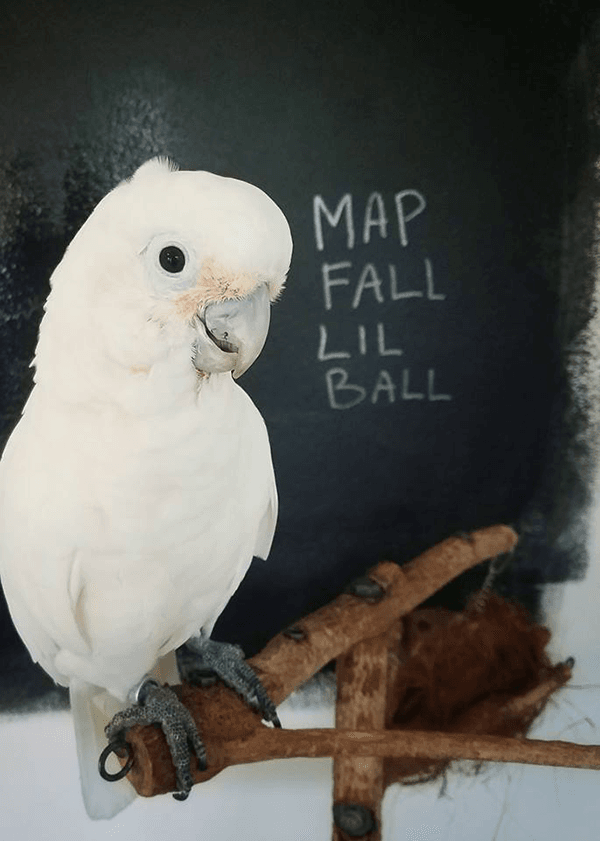
Bringing a new pet into the family is often an exciting and rewarding experience. However, for Amanda, the recent adoption of a Cockatoo has presented a significant challenge. The bird, who was rehomed due to loneliness and feather-plucking, initially displayed affectionate behavior, seeking constant human interaction. This heartwarming welcome, however, quickly turned into a concerning pattern of aggression, particularly towards Amanda’s young children. This article delves into the potential reasons behind the Cockatoo’s behavior and offers insights for managing such situations, drawing parallels to general avian behavior and the importance of understanding bird psychology.
The Initial Bond and Developing Concerns
The Cockatoo’s arrival was marked by an immediate desire for attention, flocking to Amanda and showing enjoyment of interaction with her and her children. This swift bonding, while seemingly positive, may have inadvertently set the stage for possessiveness. The bird’s previous environment, described as lacking attention, likely fueled an intense need for social connection. The initial days were filled with gentle interactions, with the bird even extending its wings for scratches, indicating a level of trust and comfort. However, a shift occurred, beginning with hissing at Amanda’s husband and escalating to aggressive lunges and flights towards the children. The intensity of these reactions, especially when the children approached Amanda or attempted to interact with the bird, suggests a potential for jealousy or protective behavior.
Possible Causes of Aggression
Several factors could be contributing to the Cockatoo’s aggressive outbursts:
- Jealousy and Possessiveness: The bird’s rapid and intense bond with Amanda might have led to possessive behavior. When the children approached Amanda or the bird, he may have perceived them as a threat to his primary social connection. This possessiveness is not uncommon in intelligent, social birds that form strong bonds.
- Fear and Mistrust: While the bird initially appeared comfortable, his past experiences of neglect could have left him with underlying fear. Sudden movements, unfamiliar individuals, or perceived threats could trigger defensive aggression. Hissing at the husband, for example, could stem from initial mistrust of a new person in his environment.
- Redirected Aggression: Sometimes, a bird’s frustration or overstimulation can be redirected towards a nearby individual. If the bird was unhappy about being put back in his cage or if he felt bored or anxious, he might have lashed out at the nearest person.
- Territoriality: Birds can become territorial, especially around their cage or their perceived “flock” (in this case, Amanda). When the children entered this perceived territory, the bird may have reacted aggressively to defend it.
- Feather-Plucking as a Symptom: The underlying cause of the feather-plucking itself is often stress or psychological distress. This distress can manifest in various behavioral issues, including aggression. Addressing the root cause of the stress is crucial for overall well-being and behavioral improvement.
Managing Aggressive Cockatoo Behavior
Addressing aggressive behavior in Cockatoos requires patience, understanding, and a consistent approach:
1. Environmental Enrichment and Routine
Ensure the Cockatoo has a stimulating environment with a variety of toys to prevent boredom and reduce stress. A consistent daily routine for feeding, interaction, and sleep can also provide a sense of security. Providing adequate opportunities for flight and exercise within a safe space is also beneficial.
2. Gradual Socialization and Desensitization
- Controlled Interactions: Continue supervised interactions, but prioritize positive reinforcement. Avoid forcing the bird into situations where he feels threatened.
- Desensitization: Gradually reintroduce the children to the bird in a calm environment. Start with short sessions, rewarding calm behavior from both the bird and the children.
- Positive Association: Encourage the children to participate in positive reinforcement training, such as offering favorite treats when the bird is calm. This helps the bird associate the children with positive experiences.
3. Understanding Bird Body Language
Learning to read the Cockatoo’s body language is critical. Signs like fluffed feathers, hissing, dilated pupils, or a puffed-up chest can indicate fear, anxiety, or aggression. Recognizing these signs early can help prevent an aggressive encounter.
4. Professional Guidance
If the aggression persists or escalates, seeking advice from an avian veterinarian or a certified parrot behavior consultant is highly recommended. They can help identify specific triggers and develop a tailored behavior modification plan. For instance, if the feather-plucking is severe, it might require veterinary attention to rule out underlying medical conditions.
Conclusion: A Path Forward
The situation with Amanda’s Cockatoo highlights the complexities of avian behavior and the importance of understanding a bird’s history and emotional needs. While the aggressive episodes are concerning, they may stem from the bird’s past trauma, his rapid bonding with Amanda, and potential feelings of jealousy or insecurity. With a consistent, patient, and informed approach, focusing on environmental enrichment, gradual socialization, and understanding bird psychology, it may be possible to manage and modify the aggressive behaviors, creating a safer and more harmonious environment for both the family and their feathered companion. If the risks to family safety remain high, rehoming the bird to an experienced individual or sanctuary should be considered, prioritizing the well-being of all involved.
References
Original provided text.
General knowledge about avian behavior and care.
