
Pancreatitis, an inflammation of the pancreas, poses a significant health challenge for cats. This vital organ plays a crucial role in digestion and regulating blood sugar. When inflamed, cats often experience a loss of appetite, leading to potential dehydration and further complications. Therefore, carefully selecting the right food is paramount to ensure adequate nutrition without exacerbating the condition. This guide focuses on understanding the dietary needs of cats diagnosed with pancreatitis, emphasizing easily digestible, low-fat, and high-protein options.
It is essential to consult your veterinarian before making any changes to your cat’s diet. They will provide personalized recommendations tailored to your cat’s specific health status and needs, especially when managing pancreatitis.
Key Dietary Considerations for Pancreatitis
Cats suffering from pancreatitis require a specialized diet designed to support pancreatic function and stimulate appetite. Appropriate nutrition can help reduce inflammation and promote healing. A critical aspect of managing pancreatitis is ensuring your cat continues to eat, as prolonged lack of appetite can lead to hepatic lipidosis, a dangerous condition characterized by fat accumulation in the liver.
A diet suitable for a cat with pancreatitis typically includes:
- Highly Digestible Protein: This aids in reducing the strain on the digestive system.
- Low to Moderate Fat Content: Crucial for preventing flare-ups of pancreatitis.
- Omega-3 Fatty Acids: These possess anti-inflammatory properties that can aid in recovery.
- Limited Carbohydrates: Supporting overall digestive health is key.
- Adequate Moisture: Wet food is often recommended to maintain hydration levels, which is particularly important when a cat’s appetite is diminished.
Recommended Foods for Cats with Pancreatitis
Implementing the correct diet can significantly aid your cat’s recovery from pancreatitis. Your veterinarian is the best resource for identifying the ideal food based on your cat’s unique health profile.
The Benefits of Wet Cat Food
Wet food is generally considered the optimal choice for cats with pancreatitis due to several factors:
- Palatability: Its enticing texture and aroma can encourage cats with reduced appetites to eat.
- High Moisture Content: This is vital for preventing dehydration, especially when a cat is reluctant to drink.
- Digestible Protein: Wet foods often contain protein that is more easily processed by a compromised digestive system.
Veterinary-recommended options such as Hill’s Prescription Diet i/d Digestive Care Chicken & Vegetable Stew Wet Cat Food and Purina Pro Plan Veterinary Diets EN Gastroenteric Wet Cat Food are often suggested for their beneficial formulations.
Considerations for Dry Cat Food
While not ideal due to typically higher carbohydrate and fat content, dry food may be a necessary alternative if your cat refuses wet food. In such cases, adding water to the kibble can help increase moisture intake. Purina Pro Plan Veterinary Diets EN Gastroenteric Feline Formula Dry Cat Food is an example of a dry option that might be considered under veterinary guidance.
Prescription and Non-Prescription Diet Choices
Several prescription diets are specifically formulated to manage gastrointestinal issues, including pancreatitis. Examples include Royal Canin Veterinary Diet Gastrointestinal Fiber Response Thin Slices in Gravy Wet Cat Food and Hill’s Prescription Diet Gastrointestinal Biome Digestive/Fiber Care Chicken & Vegetable Stew Wet Cat Food. For non-prescription options, foods with a low-fat, high-protein profile, such as Nulo Freestyle Shredded Variety Pack Canned Cat Food, may be suitable when discussed with your vet.
The Role of Supplements
Veterinarians may recommend supplements to aid in the healing process for cats with pancreatitis. Consulting your vet is crucial to determine if any supplements are appropriate for your cat.
Avoiding Human Foods and Homemade Diets
It is strongly advised against feeding human food or table scraps to cats with pancreatitis, as these can contain high levels of fat or carbohydrates that exacerbate the condition. Additionally, homemade diets are generally not recommended. They may lack essential nutrients necessary for a cat’s overall health and can be nutritionally imbalanced, potentially worsening pancreatitis and prolonging recovery. Opting for an Association of American Feed Control Officials (AAFCO)-approved diet formulated for digestive support is a safer approach.
Strategies for Feeding a Cat Experiencing Pancreatitis
Encouraging a cat with pancreatitis to eat can be challenging. Consider these feeding tips:
- Small, Frequent Meals: Offer smaller portions more often rather than one large meal.
- Warm the Food: Gently warming wet food can enhance its aroma and appeal.
- Create a Calm Environment: Feed your cat in a quiet, stress-free location to minimize anxiety.
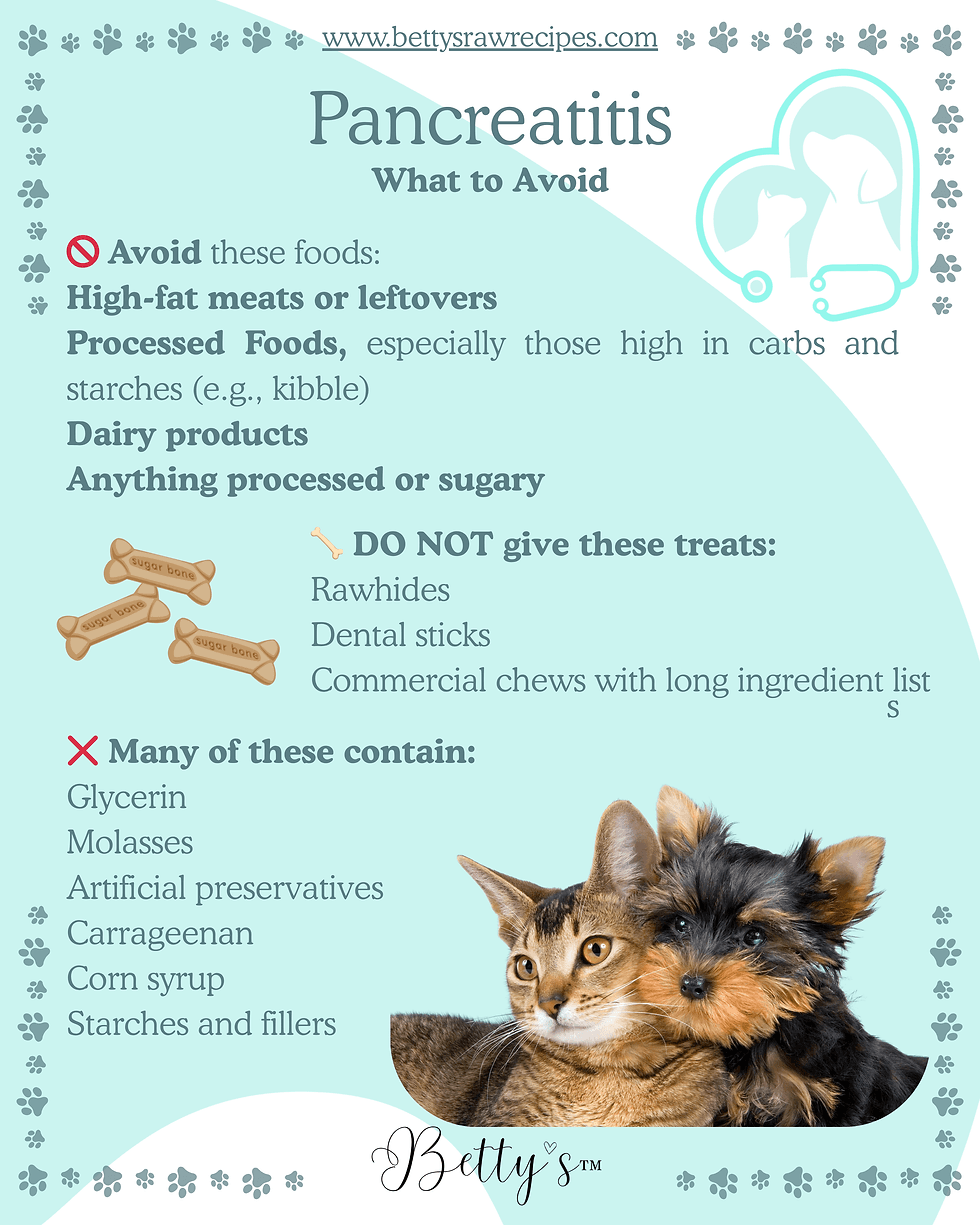
Foods to Exclude for Cats with Pancreatitis
Certain foods can worsen pancreatitis and should be strictly avoided:
- High-Fat Foods: Items like bacon, cream cheese, and fried foods place significant strain on the pancreas.
- Highly Processed Treats: Treats such as Temptations are often high in fat, salt, and carbohydrates, increasing the pancreas’s workload.
- Sugary Foods: Foods like honey and baked goods can promote inflammation and impede healing.
Frequently Asked Questions About Feeding Cats with Pancreatitis
Can a cat recover from pancreatitis with the right diet?
Yes, dietary management is a cornerstone of pancreatitis treatment in cats. A specialized diet, typically high in protein and low in fat and carbohydrates, can significantly support healing and recovery.
What home remedies can I use for my cat’s pancreatitis?
It is crucial to consult your veterinarian before administering any food or supplements. There are no scientifically proven home remedies for feline pancreatitis, and inappropriate interventions can worsen the condition.
Is tuna suitable for cats with pancreatitis?
Tuna is generally not recommended for cats with pancreatitis. It lacks the necessary nutritional balance and can potentially aggravate symptoms.
Is chicken safe for cats with pancreatitis?
Chicken is a safe and beneficial protein source for cats with pancreatitis due to its high digestibility and protein content.
Written by Brittany Kleszynski, DVM
Dr. Brittany Kleszynski is a veterinarian and freelance medical writer dedicated to creating engaging and informative content for pet owners.
