
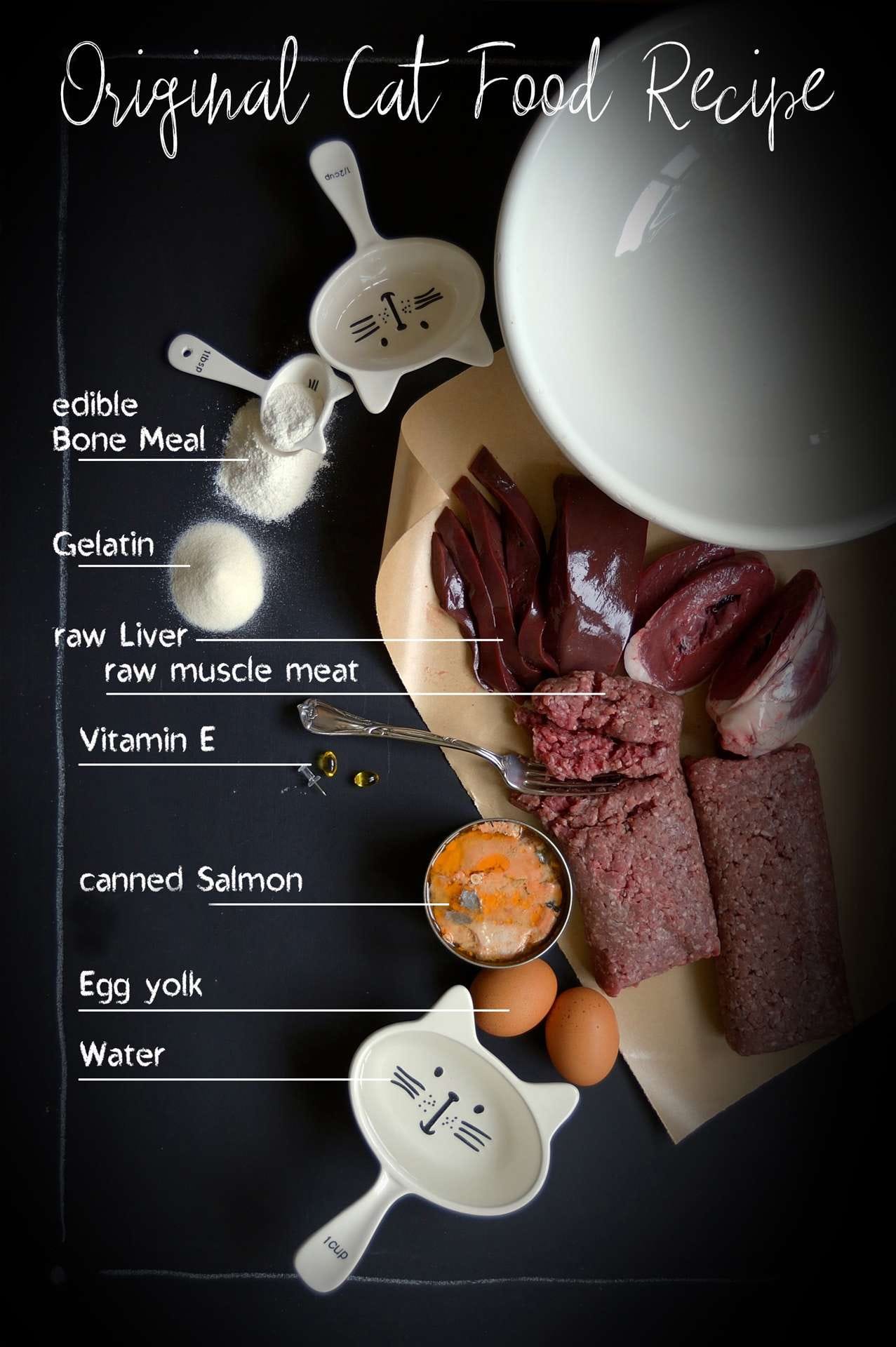
For devoted cat parents, the desire to provide the very best for their feline companions often leads to exploring homemade food options. The appeal of controlling ingredients, avoiding preservatives, and ensuring optimal nutrition is strong. However, creating a nutritionally complete and balanced diet for cats at home is a complex undertaking, far removed from simply cooking human-grade meals. Cats have unique and demanding dietary requirements as obligate carnivores, meaning their bodies are biologically designed to thrive on animal-based nutrients. Without careful formulation and the essential addition of supplements, homemade diets can easily fall short, potentially leading to serious health issues. This is where high-quality, veterinary-approved supplements become indispensable for ensuring your cat receives all the necessary vitamins, minerals, and amino acids they need to flourish.
The Allure and Challenges of Homemade Cat Cuisine
Cats are obligate carnivores, a biological classification that dictates their dietary needs are fundamentally different from those of humans or even dogs. Their bodies require a high intake of animal-based protein, specific fats, and a precise balance of essential amino acids like taurine, which they cannot synthesize themselves. Taurine is critical for vision, heart function, and digestion. While the idea of offering your cat a diet made from fresh, recognizable ingredients is appealing, achieving the correct nutritional profile is incredibly challenging. Numerous studies and veterinary experts highlight that a vast majority of homemade cat food recipes found online or in books are nutritionally unbalanced. These imbalances can range from deficiencies in vital nutrients like calcium, phosphorus, taurine, and essential vitamins, to excesses that can also be harmful. For instance, an improper calcium-to-phosphorus ratio can lead to skeletal problems, while insufficient taurine can result in severe heart and eye conditions.
Why Supplements Are Non-Negotiable for Homemade Diets
Given the complexity of feline nutrition, it’s virtually impossible to create a nutritionally complete homemade cat food without the judicious use of supplements. Commercial cat foods are formulated to meet established nutritional standards, often reviewed by veterinary nutritionists. When preparing food at home, the responsibility falls on the owner to meticulously replicate this balance. Supplements act as the bridge, filling the inevitable nutritional gaps that arise from using specific ingredients or limited recipes.
These supplements are not mere add-ons; they are crucial components designed to provide:
- Essential Amino Acids: Primarily taurine, but also others vital for muscle, organ, and tissue health.
- Vitamins: Both fat-soluble (A, D, E, K) and water-soluble (B complex, C) vitamins are required in precise amounts for various bodily functions, from vision and immune response to metabolism and energy production.
- Minerals: Key minerals like calcium, phosphorus, magnesium, zinc, iron, and iodine are essential for bone health, nerve function, enzyme activity, and oxygen transport. The correct ratios, especially between calcium and phosphorus, are critical.
- Essential Fatty Acids: Omega-3 and Omega-6 fatty acids support skin and coat health, reduce inflammation, and aid in nutrient absorption.
Without these supplemental nutrients, a homemade diet, no matter how well-intentioned, risks causing serious health problems such as anemia, heart disease, blindness, bone deformities, and compromised immune function.
Selecting the Right Supplements: A Guide for Cat Parents
Choosing the correct supplements for your cat’s homemade diet requires careful consideration and, ideally, professional guidance. Here’s what to keep in mind:
1. Consult a Veterinary Professional
The most critical step is to consult with a veterinarian or, ideally, a board-certified veterinary nutritionist. They can assess your cat’s individual health status, age, activity level, and any specific medical conditions. Based on this assessment, they can recommend appropriate recipes and the precise supplements needed, ensuring they are given in the correct dosage. Relying on generic online recipes or human-grade supplements without professional input can be dangerous, as nutrient requirements and tolerances differ significantly between species.
2. Opt for Veterinary-Formulated Premixes
Many companies offer “meal completers” or premix supplements specifically designed for homemade pet diets. These are often the most convenient and reliable option, as they aim to provide a comprehensive blend of vitamins, minerals, and other essential nutrients designed to balance common meat bases. Look for products that are recommended by veterinary professionals or created by reputable pet nutrition companies. Ensure the premix is specifically formulated for cats, as canine and feline nutritional needs are not interchangeable.
3. Understand Ingredient Quality and Safety
Just as with the main food ingredients, the quality of supplements matters. Ensure supplements are from reputable sources, free from unnecessary fillers, artificial colors, or preservatives. Be cautious with concentrated forms of fat-soluble vitamins (like A and D), as they can accumulate in the body and become toxic if overdosed.
4. Monitor Your Cat’s Health
Regular veterinary check-ups are essential for cats on homemade diets, even when using supplements. Your veterinarian can monitor for any signs of nutritional deficiencies or excesses and adjust the diet or supplements as needed. This proactive approach is key to long-term health and well-being.
Cost Considerations: Value Beyond Price
While the initial thought might be that homemade food is cheaper, the cost of quality ingredients combined with appropriate, veterinary-approved supplements can rival or even exceed the price of high-quality commercial cat food. Furthermore, the expense of treating health problems arising from nutritional deficiencies can far outweigh any initial savings. When comparing costs, it’s important to consider the overall value: the peace of mind that comes from knowing your cat is receiving complete and balanced nutrition, tailored to their specific needs, often outweighs the perceived savings of a less-informed approach. For cats with specific dietary needs, such as weight management, options like hill’s weight management cat food are meticulously formulated. While homemade diets offer customization, ensuring they meet stringent nutritional requirements can be a significant investment in both time and resources, including specialized supplements. Understanding the market, from specialized diet cat food for overweight cats to convenient diet cat food wet options, highlights the variety available, but homemade diets require diligent nutritional oversight, often necessitating specific supplements. Similarly, finding effective dry cat food for weight loss involves careful scrutiny of ingredients and formulation, a parallel complexity to crafting homemade meals.
The Bottom Line: Informed Choices for Feline Health
The journey into feeding your cat a homemade diet can be rewarding, but it demands a high level of commitment, research, and, most importantly, professional guidance. Cats have unique nutritional needs that must be met with precision. Supplements are not an optional extra; they are a fundamental necessity to ensure a homemade diet is complete, balanced, and supportive of your cat’s long-term health. By partnering with veterinary professionals and utilizing high-quality, cat-specific supplements, you can confidently provide a nutritious and beneficial homemade diet for your beloved feline companion.
Disclaimer: This article provides general information and does not substitute professional veterinary advice. Always consult your veterinarian before making significant changes to your cat’s diet.
