
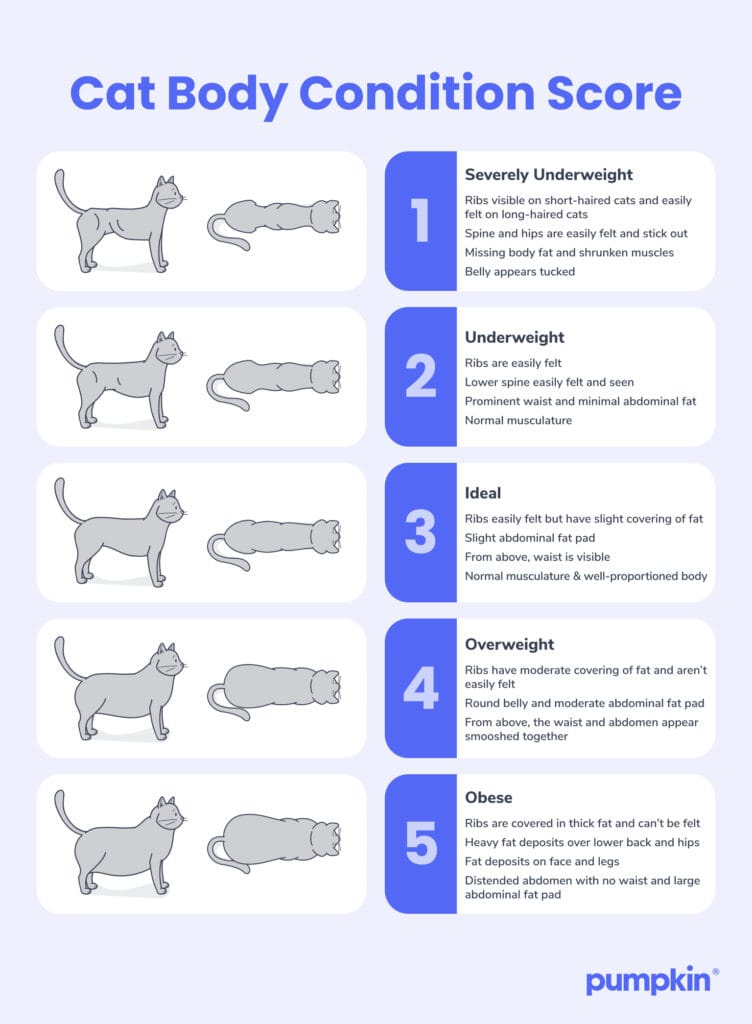
As dedicated cat parents, recognizing the signs and symptoms of common feline illnesses is crucial for ensuring your beloved companion receives timely veterinary care. This guide provides essential information on diseases and medical conditions that frequently affect cats, empowering you to act swiftly when necessary.
Understanding Common Cat Ailments
Cats, much like humans, are susceptible to a range of health issues that can impact their well-being. From chronic conditions to infectious diseases, staying informed is the first step in responsible pet ownership. This article delves into several prevalent ailments, offering insights into their causes, symptoms, diagnosis, and treatment.
Cancer in Cats
Cancer is a complex class of diseases characterized by the uncontrolled growth of cells, which can invade surrounding tissues and spread to other parts of the body. Cats can develop various types of cancer, which may be localized (like a tumor) or generalized throughout the body.
Causes of Cancer: Cancer is a multifactorial disease with no single known cause. However, both hereditary and environmental factors play a role. For instance, squamous cell carcinoma, a skin cancer, is often linked to repeated sun exposure, particularly in white or light-colored cats. Lymphosarcoma (LSA), one of the most common cancers in cats, is frequently associated with the Feline Leukemia Virus (FeLV), a transmittable retrovirus. FeLV can be passed from mother to kitten or through saliva and direct contact. While FeLV primarily affects younger cats, regular testing is vital. A vaccine for FeLV is available and can be discussed with your veterinarian based on your cat’s lifestyle. The gastrointestinal form of LSA can manifest as a large mass in the stomach or intestine. Early detection and veterinary consultation are paramount, as LSA is not curable but often responds well to treatment.
Cancer Symptoms: Signs of cancer in cats can include lumps, swelling, persistent sores, abnormal discharge, bad breath, lethargy, weight loss, sudden lameness, diarrhea, vomiting, scaly skin patches, decreased appetite, or difficulty breathing, urinating, or defecating.
Diagnosis and Risk Factors: Diagnosis often involves a needle biopsy or surgical removal of a lump for examination. Radiographs, ultrasound, and blood tests can also aid in diagnosis and staging. While cancer can affect cats of all ages, it is more common in older cats. Cats with white ears and heads are particularly susceptible to skin cancer. Spaying your cat before her first heat cycle can significantly reduce the risk of breast cancer.
Prevention and Treatment: Keeping cats indoors can protect them from sun-induced skin cancers. Treatment options are varied and depend on the cancer’s type and stage, including surgery, chemotherapy, radiation, and immunotherapy. Early detection offers the best prognosis. If treatment is not pursued, palliative care, including pain relief, should be considered to maintain the cat’s quality of life.
Diabetes Mellitus
Diabetes in cats is a complex hormonal disorder resulting from either a lack of insulin or an inadequate response to it. Insulin is essential for transporting glucose from food into the cells. When this process is impaired, blood sugar levels rise, leading to hyperglycemia, which can cause numerous health complications if left untreated. Diabetes is a manageable condition, and many diabetic cats can lead happy, healthy lives, with some even achieving remission.
Types of Diabetes:
- Type I: Characterized by a lack of insulin production.
- Type II: Involves impaired insulin production and a reduced response to the hormone. Cats with Type II diabetes can progress to Type I.
Symptoms of Feline Diabetes: Signs include changes in appetite, weight loss, excessive thirst, increased urination, inappropriate urination, unusually sweet-smelling breath, lethargy, dehydration, unkempt coat, and urinary tract infections.
Causes and Risk Factors: While the exact cause is unknown, genetics, pancreatic disease, certain medications, and abnormal protein deposits in the pancreas can contribute. Obesity, being male, and age are significant risk factors.
Diagnosis and Treatment: Diagnosis involves evaluating clinical signs, a physical examination, and blood work and urinalysis. Treatment varies based on the severity of the disease and other health issues. Some cats require intensive hospitalization for blood sugar regulation, while others may respond to oral medication or a high-fiber diet. For most cats, daily insulin injections are necessary. Your veterinarian will guide you on administering insulin, home glucose testing, and establishing a feeding schedule that aligns with medication times. Avoiding high-glucose treats is crucial.
Prevention: A proper diet and regular exercise to prevent obesity are key preventative measures against feline diabetes.
Feline Immunodeficiency Virus (FIV)
Feline Immunodeficiency Virus (FIV) is a slow-acting virus that severely weakens a cat’s immune system, making them susceptible to secondary infections. Symptoms may not appear for years after initial infection. Cats with FIV can live relatively comfortable lives with supportive care in a stress-free, indoor environment.
Transmission: FIV is primarily transmitted through deep bite wounds, common during aggressive fights between cats. Transmission from mother to kitten is less common. It is not typically spread through casual contact like sharing food bowls or grooming. Free-roaming, unneutered male cats are at the highest risk. Importantly, FIV cannot be transmitted from cats to humans.
Symptoms: Potential signs include enlarged lymph nodes, fever, anemia, weight loss, poor coat condition, decreased appetite, diarrhea, eye inflammation, gum inflammation, mouth inflammation, dental disease, skin issues, non-healing wounds, sneezing, nasal discharge, and changes in urination habits or behavior.
Prevention: Keeping cats indoors is the most effective prevention method. Leash walking, ensuring all cats in a multi-cat household test negative for FIV before introduction, and testing newly adopted cats are also recommended. Discuss the FIV vaccine with your veterinarian.
Diagnosis and Treatment: FIV is diagnosed through blood testing, which detects antibodies to the virus. Since kittens can test positive from maternal antibodies, repeat testing is recommended for those under six months. There is no specific antiviral treatment for FIV; care focuses on managing secondary infections and extending the asymptomatic period with medications, a healthy diet, fluid therapy, and immune-enhancing drugs.
Caring for an FIV-Infected Cat: Keeping the cat indoors, monitoring for health changes, regular veterinary checkups (at least twice a year), feeding a nutritionally balanced diet (avoiding raw food), and spaying/neutering are essential.
Feline Leukemia Virus (FeLV)
Feline Leukemia Virus (FeLV) is a transmittable retrovirus that significantly compromises a cat’s immune system, leading to various diseases and a higher risk of mortality. It is a common cause of illness and death in domestic cats.
Transmission: FeLV is shed in bodily fluids like saliva, nasal secretions, urine, feces, and blood. Transmission occurs through direct contact, mutual grooming, sharing food and water bowls, and bites or scratches from infected cats. Mother cats can also transmit FeLV to their kittens in utero or through milk. Cats vaccinated for FeLV and over three months old are unlikely to contract the virus.
At-Risk Cats: Kittens, cats under one year, those living with infected cats, outdoor cats exposed to bites, and kittens born to FeLV-positive mothers are at higher risk.
Signs of FeLV: Infected cats may show no signs initially but can develop loss of appetite, weight loss, pale gums, poor coat condition, abscesses, fever, respiratory infections, diarrhea, vomiting, seizures, behavioral changes, vision problems, enlarged lymph nodes, reproductive issues, jaundice, skin disease, respiratory distress, and lethargy.
Prevention: A vaccine is available for at-risk cats, though it’s not a 100% guarantee. Eliminating exposure through routine testing, keeping cats indoors, and avoiding contact with unknown cats are the best prevention strategies.
Diagnosis: Tests like ELISA detect FeLV antigen in the blood. IFA or PCR tests may be used to confirm positive ELISA results.
Caring for a Cat with FeLV: A nutritionally balanced diet (avoiding raw foods), a quiet indoor resting place, and bi-annual veterinary checkups are crucial. Introducing new, uninfected cats into a household with an FeLV-positive cat is not advisable. FeLV is contagious to other cats but not to humans or other species. Sadly, there is no cure for FeLV, and supportive care focuses on quality of life.
Heartworm Disease
Heartworm disease, spread by infected mosquitoes, is an important health concern for cats, primarily causing lung disease rather than affecting the heart as it does in dogs. Cats are atypical hosts, meaning the parasite’s life cycle is often incomplete.
Causes and Signs: Mosquitoes transmit larvae into a cat’s bloodstream. These larvae migrate to the heart, pulmonary arteries, and lungs, maturing over several months. The resulting immune response and the worms themselves can cause severe inflammation. Outdoor cats and those in mosquito-dense areas are at higher risk. Symptoms can include persistent coughing, breathing difficulties, depression, loss of appetite, weight loss, vomiting, lethargy, and sudden death. Respiratory issues, previously misdiagnosed as asthma or bronchitis, may actually be due to heartworm-associated respiratory disease (HARD).
Prevention: FDA-approved preventative medications are available. It is recommended to screen cats for heartworm infection via blood tests before starting any preventative medication. Limiting exposure to mosquitoes and regular veterinary checkups are also important.
Diagnosis: Diagnosing heartworm in cats is more challenging than in dogs. It typically involves a combination of blood tests, clinical history, physical examination, radiographs, and echocardiograms.
Treatment: Currently, no products are approved in the U.S. for treating feline heartworm infection. Many cats can clear the infection on their own, requiring monitoring. If lung disease symptoms arise, cortisone-like medication may be administered. Untreated heartworm disease can lead to heart and lung failure, kidney and liver damage, and sudden death.
High-Rise Syndrome
High-Rise Syndrome refers to injuries sustained by cats falling from significant heights, often from unscreened windows, balconies, or fire escapes. These falls can result in severe injuries, including fractured jaws, punctured lungs, broken limbs, pelvic fractures, and even death.
Understanding the Risks: Cats do not intentionally jump from dangerous heights; falls are usually accidental. Their focus on prey or other stimuli can lead to a loss of balance. While cats have an instinct for climbing, surfaces like window ledges are difficult to navigate. Falls, especially from shorter distances (one to two stories), may not allow sufficient time for cats to adjust their landing posture, potentially increasing the risk of severe head and pelvic injuries. Cats falling from high-rise buildings may land on unfamiliar and dangerous streets.
Survival and Prevention: Despite the severity of injuries, cats have a 90% survival rate with immediate and proper medical attention. Prevention is paramount: install snug, sturdy screens on all windows. Ensure adjustable screens are tightly secured. Note that standard childproof window guards may not prevent cats from slipping through.
Rabies
Rabies is a viral disease affecting the brain and spinal cord of mammals, including cats, dogs, and humans. It is almost always fatal once symptoms appear and is preventable through vaccination.
Transmission: Rabies is most commonly transmitted through the bite of an infected animal. Saliva from an infected animal can also enter the body through mucous membranes or open wounds. The risk is highest when cats are exposed to wild animals like raccoons, bats, skunks, and foxes, or to unvaccinated free-roaming domestic animals. In the U.S., cats are reported to have rabies more often than other domestic species. Unvaccinated outdoor cats are at the highest risk.
Prevention: Vaccination is the most effective preventative measure and is legally required in many areas. Vaccination protects your cat and others she might interact with. While some cats may experience side effects, vaccination is strongly recommended, especially for cats that go outdoors.
Symptoms: Symptoms can take months to develop and include behavioral changes (aggression, restlessness, lethargy), increased vocalization, loss of appetite, weakness, disorientation, paralysis, seizures, and sudden death.
Diagnosis and Treatment: There is no accurate test for rabies in live animals; diagnosis is confirmed post-mortem via a fluorescent antibody test. The virus can incubate for weeks to over a year. Once symptoms appear, rabies is invariably fatal, with no cure available.
Post-Exposure Protocol: If your cat interacts with a potentially rabid animal, contact your veterinarian immediately. If the animal is still at large, notify animal control. A vaccinated cat bitten by a potentially rabid animal should receive a booster vaccine and be observed for 45 days.
Ringworm (Dermatophytosis)
Ringworm is a highly contagious fungal infection that affects the skin, hair, and nails of cats. Despite its name, it is not caused by a worm. It typically presents as patchy, circular areas of hair loss, often with red centers, and can spread to other pets and humans.
Symptoms: Lesions commonly appear on the head, ears, and forelimbs. These can range from flaky bald patches with red centers to simple redness or dandruff in mild cases. Severe infections can spread across the cat’s body. Some cats may carry the fungus without showing any symptoms.
Transmission: Cats can contract ringworm through direct contact with infected animals or indirectly through contaminated environments, such as bedding or dishes. Ringworm spores are highly resilient and can survive in the environment for over a year. Kittens, geriatric cats, long-haired cats, and immunocompromised cats are more susceptible.
Diagnosis: A veterinarian’s diagnosis is essential, as ringworm can spread easily. Quarantine the cat until a diagnosis is confirmed. Diagnosis may involve using an ultraviolet light, a fungal culture from hair or skin cells, or a skin biopsy.
Treatment: Treatment depends on severity and may include medicated shampoos, ointments, or oral medications. Treatment can last for several months, requiring periodic rechecking of fungal cultures. Environmental treatment is crucial to prevent recurrence. This includes bathing all pets, washing bedding and toys with disinfectants, discarding non-disinfectable items, and frequent vacuuming.
Upper Respiratory Infections (URIs)
A cat’s upper respiratory tract (nose, throat, sinuses) is vulnerable to infections caused by various viruses and bacteria.
Causes: Viruses, particularly feline calicivirus and feline herpesvirus, are the most common culprits, accounting for 80-90% of URIs. These viruses spread through sneezing, coughing, grooming, or shared food bowls. Infected cats can become lifelong carriers. Bacterial infections, such as Chlamydia and Bordetella, can also occur, often secondary to viral infections. Stress and crowded conditions can exacerbate these infections.
Prevention: Keeping cats indoors, isolating infected cats, minimizing stress, maintaining up-to-date vaccinations, and practicing good hygiene are key. While vaccines may not prevent infection, they can lessen disease severity. A healthy immune system is a cat’s best defense.
Symptoms: Common signs include sneezing, congestion, runny nose, cough, nasal discharge, gagging, drooling, fever, loss of appetite, rapid breathing, nasal and oral ulcers, squinting, and open-mouth breathing. Breed predispositions, such as in flat-faced breeds like Persians, can increase susceptibility.
Diagnosis and Treatment: Veterinarians diagnose URIs through examination, considering age, vaccination status, and living conditions. Stress plays a significant role, particularly in multi-cat environments. Treatment prescribed by a veterinarian may include medications, isolation, rest, fluid support, and nutritional support. Untreated URIs can lead to serious complications like pneumonia or blindness.
Intestinal Parasites (Worms)
Cats can harbor various intestinal parasites, commonly referred to as worms. Infestations can cause diverse symptoms, sometimes going undetected, yet posing significant health risks, with some parasites being zoonotic (transmissible to humans).
Common Types:
- Roundworms: The most common, resembling spaghetti. Kittens can contract them from their mother’s milk, and adult cats by ingesting eggs from feces.
- Hookworms: Small, blood-feeding parasites in the small intestine that can cause severe anemia, especially in kittens. Infection occurs through ingestion or skin contact with larvae.
- Tapeworms: Long, segmented parasites acquired by ingesting infected fleas or rodents. Segments may appear as “grains of rice” around the cat’s hind end.
- Lungworms: Reside in the lungs; infection often occurs after cats eat intermediate hosts like snails, slugs, birds, or rodents.
Transmission: Ingestion of feces from infected felines is a primary mode of transmission. Mother cats can also pass worms to their kittens.
Prevention: Keeping cats indoors, maintaining a flea-free environment, practicing good hygiene (wearing gloves when handling feces), and regular veterinary consultation for deworming programs are essential.
Symptoms: Signs include diarrhea, visible worms in stool, bloody stool, bloating, weight loss, vomiting, constipation, anemia, coughing, and difficulty breathing. A veterinary diagnosis is crucial, as worms are not always visible or easily identifiable.
Treatment: Deworming medication must be specific to the type of parasite. Not all dewormers are effective against all worms, and some dog medications are unsafe for cats. Over-the-counter options can be harmful if used incorrectly. Consult your veterinarian for the appropriate treatment plan.
Zoonotic Potential: Some worms, like roundworms, can cause serious health problems in humans, including blindness and organ damage, if ingested. Hookworm larvae can penetrate human skin.
