
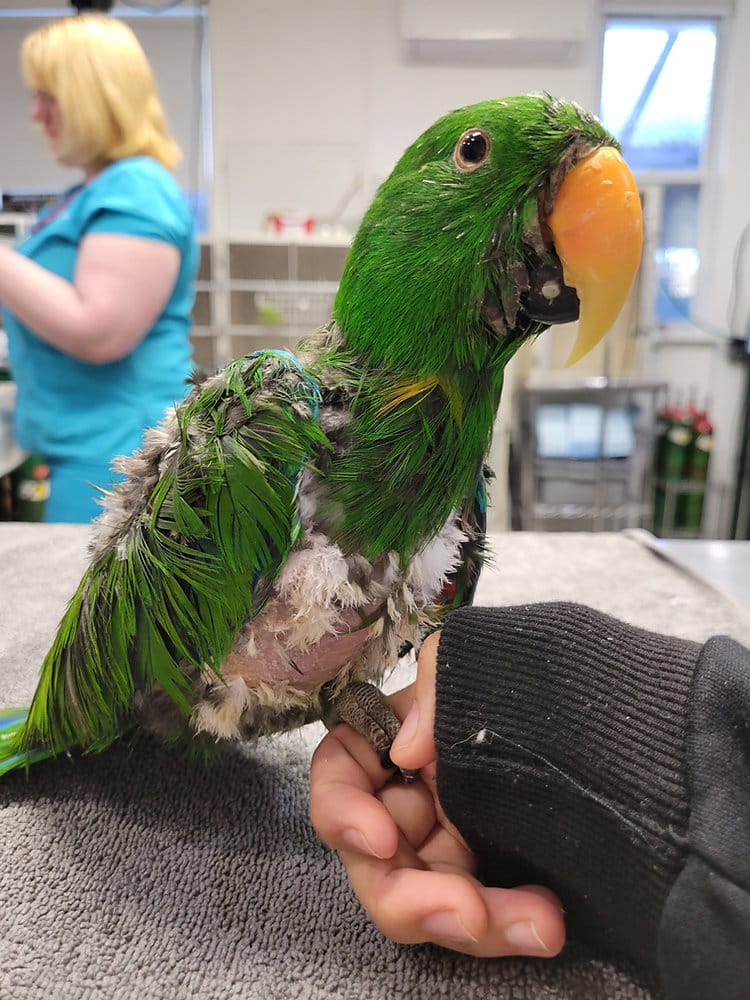
Feather picking in birds is a distressing behavior that can leave owners searching for answers. This complex issue can stem from various factors, including environmental stressors, behavioral issues, and even boredom. Understanding the root cause is the first crucial step towards helping your feathered companion. This article delves into the common reasons behind feather picking and offers practical solutions to help your bird regain its healthy plumage.
Environmental Factors: Sunlight and Fresh Air
A significant, yet often overlooked, cause of feather picking is the lack of adequate sunlight and fresh air. Birds in the wild thrive in natural environments, and their well-being is intrinsically linked to these elements.
A compelling case study illustrating this point involved a Timneh African Grey parrot named Mirt, who was severely plucked when she joined an aviary. Mirt had been confined to a box for eight months prior to her rescue. Once Mirt was given the freedom of a large aviary, she ceased plucking the feathers on her neck and chest and, within six months, her plumage had completely regrown. This emphasizes how crucial natural elements are for a bird’s psychological and physical health.
Behavioral Causes of Plucking
As birds reach sexual maturity, hormonal changes can trigger feather-damaging behaviors. In their natural habitat, parrots would seek out a mate, a process severely limited in a domestic setting. When a parrot bonds intensely with its chosen human, a lack of perceived reciprocation or unmet mating instincts can lead to frustration. This frustration can manifest as aggression or self-directed feather plucking. This specific type of plucking is particularly common in Cockatoos.
It is important to note that introducing a potential mate is not always the solution. A Cockatoo habituated to human companionship may react poorly to the introduction of another bird, leading to conflict and increased stress, potentially exacerbating the plucking issue.
Addressing Habitual Plucking and Boredom
When feather plucking becomes a deeply ingrained habit, the bird may even find a perverse sense of satisfaction in the act, akin to human nail-biting or trichotillomania (compulsive hair pulling). In such cases, the constant removal of feathers can damage the feather follicles, preventing regrowth. Even with enriched environments and attentive care, some bare patches may remain permanently if the damage is too severe.
Boredom, confinement in overly small cages, or prolonged periods of solitude are also significant contributors to feather picking. Fortunately, these are situations that can be effectively managed with dedicated care and enthusiasm.
Enrichment is Key: Providing an enriched environment is vital. This includes offering a variety of safe branches for chewing, engaging toys for mental stimulation, and ensuring ample opportunities for interaction. For birds that tend to over-pet their pets, it’s important to moderate physical contact to avoid inadvertently encouraging obsessive behaviors.
A Success Story: Bobo, an Umbrella Cockatoo, serves as a powerful example of how environmental enrichment can combat severe feather damage. Bobo arrived with wings clipped to the bone and her tail removed, leaving her covered only in downy fluff. Through dedicated care and an enriched environment, Bobo was able to regrow her feathers, showcasing the potential for recovery even in severe cases.
Conclusion and Further Steps
Feather picking is a multifaceted issue with environmental, behavioral, and psychological roots. Addressing it requires patience, keen observation, and a commitment to providing an enriching and supportive environment for your bird. By understanding the potential causes, such as lack of sunlight, unmet sexual maturity needs, habitual behaviors, or boredom, you can implement targeted strategies. Always remember that serious or persistent cases may require consultation with an avian veterinarian or a certified avian behaviorist to rule out underlying medical conditions and develop a comprehensive care plan.
If your bird is exhibiting aggression or biting, understanding budgie aggression can provide further insights into behavioral management.
