
Have you ever experienced an event that seemed terrible at first, only to realize later that it led to something wonderful? Or the opposite, where a stroke of great luck turned into a disaster? This very human experience is at the heart of the ancient Farmer Horse Story, a simple yet profound tale that has been shared for centuries. It’s more than just a story; it’s a powerful lesson in perspective, acceptance, and the unpredictable nature of life itself. This narrative challenges our tendency to quickly label events as “good” or “bad,” inviting us to adopt a more patient and wise outlook on the twists and turns we all face.
The parable, often known as “The Chinese Farmer” or “The Old Man Who Lost His Horse,” serves as a cornerstone of Taoist philosophy. It teaches us to embrace uncertainty and understand that the true consequence of any event is often hidden from our immediate view. To truly appreciate its depth, it is worth exploring the complete story of a farmer and his horse and the layers of meaning it holds for our modern, fast-paced lives.
The Enduring Tale of the Farmer and His Horse
The story, in its most classic form, unfolds in a small village in ancient China.
An old farmer lived with his son, and their most prized possession was a fine, strong horse. One day, the horse ran away. Immediately, all the neighbors came to console him. “What terrible luck!” they exclaimed. The farmer simply replied, “Maybe.”
A week later, the horse returned, and it was not alone. It brought with it a magnificent herd of wild horses. The neighbors rushed over to celebrate his good fortune. “What incredible luck!” they cheered. The old farmer calmly responded, “Maybe.”
The farmer’s son, thrilled with the new arrivals, began to train the wild horses. While attempting to tame one of the spirited animals, he was thrown off and violently broke his leg. The neighbors again gathered, this time to offer their sympathy for his misfortune. “How awful for you! This is truly bad luck,” they lamented. The farmer, unwavering, said, “Maybe.”
A few months passed, and the emperor’s army marched into the village, conscripting every able-bodied young man for a brutal and distant war. Most of them would never return. Because the farmer’s son had a broken leg, he was spared. The neighbors, whose own sons were marched away, looked at the farmer with envy. “You are so fortunate! Your son is safe. It was good luck after all!” they said.
And the farmer replied, once more, “Maybe.”
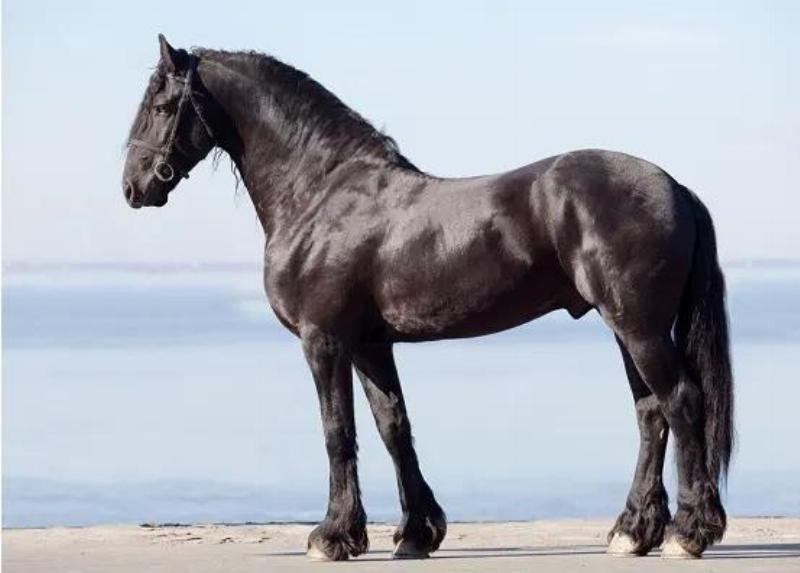 An old farmer and his majestic horse standing together in a misty field, illustrating the famous farmer horse story.
The Core Wisdom: What Does the Farmer Horse Story Mean?
At its core, this parable is a masterclass in perspective. It challenges our deep-seated human impulse to categorize every event as either a blessing or a curse. The farmer’s simple, repeated response—“Maybe”—is not a sign of indifference but of profound wisdom.
The Illusion of Fortune and Misfortune
We live our lives on a timeline, experiencing events in a linear fashion. This makes it incredibly tempting to judge each event in isolation. Winning the lottery seems like pure good fortune, while losing a job feels like a catastrophe. The farmer horse story teaches that these initial judgments are based on incomplete information.
“What we perceive as a single event is merely a single frame in a much larger, more complex film. The farmer understands that he cannot judge the entire movie based on one frame,” notes Dr. Alan Chen, a philosopher specializing in Eastern traditions.
The “good luck” of getting more horses directly led to the “bad luck” of a broken leg, which in turn became the “good luck” of avoiding the war. The story beautifully illustrates that fortune and misfortune are often intertwined, two sides of the same coin.
Embracing Uncertainty and the Power of Non-Judgment
The farmer’s wisdom lies in his ability to exist comfortably with uncertainty. He doesn’t waste energy celebrating what seems good or lamenting what seems bad. He accepts reality as it is, withholding judgment until the full consequences of an event unfold—which, the story implies, they may never fully do.
This mindset is liberating. It frees us from the emotional rollercoaster of reacting to every high and low with extreme joy or despair. By adopting a “maybe” attitude, we can maintain a state of inner calm and resilience, no matter what external circumstances arise. This idea shares roots with other Eastern philosophies, making the zen story farmer and horse a fascinating parallel to explore.
The Taoist Roots of the Parable
The story is a perfect expression of Taoist principles, particularly the concepts of Wu Wei and the balance of Yin and Yang. Taoism, an ancient Chinese philosophy, emphasizes living in harmony with the Tao—the natural, underlying flow of the universe.
Understanding Wu Wei (Effortless Action)
Wu Wei is often translated as “non-action” or “effortless action.” It doesn’t mean being lazy or passive. Instead, it means acting in alignment with the natural flow of things, without struggling or forcing outcomes. The farmer embodies Wu Wei. He doesn’t fight against his circumstances.
- When the horse runs away, he doesn’t despair or chase after it. He accepts it.
- When the horses return, he doesn’t become attached to his new wealth. He accepts it.
- When his son is injured, he doesn’t curse his fate. He accepts it.
By accepting each event without resistance, he conserves his energy and maintains his peace, allowing life to unfold naturally.
The Harmony of Yin and Yang
The concept of Yin and Yang describes how seemingly opposite forces are interconnected and interdependent. Light cannot exist without darkness, high without low, good without bad. The farmer horse story is a narrative demonstration of this principle. Every event contains the seed of its opposite:
- The loss (Yin) of the horse leads to the gain (Yang) of a herd.
- The gain (Yang) of the herd leads to the injury (Yin) of the son.
- The injury (Yin) of the son leads to his safety (Yang) from war.
The farmer understands this cosmic balance. He knows that no situation is purely good or purely bad; each is a complex mix of both, constantly shifting and evolving.
How Can You Apply This Wisdom in Modern Life?
While the story is set in a simple, agrarian past, its lessons are more relevant than ever in our complex and volatile world. Here’s how you can integrate the farmer’s wisdom into your own life.
In Your Career and Finances
Imagine you get passed over for a promotion you desperately wanted. The immediate reaction is disappointment—bad luck. But the farmer would say, “Maybe.” This missed promotion might lead you to seek opportunities elsewhere, resulting in a better job with higher pay and a healthier work environment. Conversely, getting a demanding new role might seem like a huge win, but it could lead to burnout and stress.
The key is to view career setbacks and successes with a level head. Treat each event not as a final destination but as a stepping stone on a longer journey.
In Your Personal Relationships
A painful breakup can feel like the end of the world. It’s easy to see it as a complete and utter failure. But applying the farmer’s perspective allows for a different view. The end of that relationship, while difficult, might create the space for personal growth, self-discovery, or eventually, a more compatible partner. This approach has deep philosophical roots, and understanding the nuances of the story of the chinese farmer and the horse can provide even more clarity.
During Times of Crisis
When facing a health scare, a financial crisis, or global uncertainty, it is natural to feel fear and anxiety. The farmer’s wisdom doesn’t mean ignoring the seriousness of the situation. It means focusing on what you can control and accepting what you can’t, without letting fear of a “bad” outcome consume you. It’s about finding resilience in the face of the unknown, trusting that even from difficult times, something unexpected and valuable may emerge. There is a universal truth in this kind of tale, much like in a buddhist story farmer horse, which often carries similar themes of detachment and wisdom.
Frequently Asked Questions (FAQ)
What is the main moral of the farmer and horse story?
The main moral is that we should not be so quick to judge events as “good” or “bad.” Life is complex and unpredictable, and the true outcome of a situation often reveals itself over time. It teaches the value of patience, resilience, and maintaining perspective.
Where did the farmer horse story originate?
The story is believed to have originated in ancient China and is most famously recorded in the Huainanzi, a 2nd-century BC Chinese philosophical text. It is a classic Taoist parable used to illustrate core principles like accepting fate and understanding the duality of nature (Yin and Yang).
How is the story relevant today?
In a world of constant news cycles and social media, where we are pressured to have instant reactions, the story is incredibly relevant. It reminds us to slow down, think critically, and avoid getting caught up in the emotional highs and lows of daily life. It is a powerful antidote to anxiety and stress.
Is the farmer being passive or wise?
The farmer is not being passive; he is being wise. Passivity implies inaction or apathy. The farmer and his son continue to work and engage with life—taming horses, for example. His wisdom is in his emotional response, not his actions. He chooses acceptance over resistance and judgment.
How can I practice the farmer’s mindset?
Start by pausing before you react. When something happens, instead of immediately labeling it good or bad, take a breath and say to yourself, “This has happened. I don’t know what it will lead to yet.” Focus on the present moment and the next practical step, rather than getting lost in celebrating a perceived win or mourning a perceived loss. Examining a farmer and his horse story in detail can help reinforce this practice.
The Enduring Power of “Maybe”
The farmer horse story has survived for millennia for a reason. It speaks to a fundamental truth about the human condition: our limited ability to see the bigger picture. We are all, in a sense, the farmer’s neighbors—quick to judge, quick to react, and often mistaken.
By embracing the farmer’s simple yet profound wisdom, we can learn to navigate life’s inevitable ups and downs with more grace, resilience, and peace. It encourages us to release our rigid expectations and find freedom in the gentle acceptance of “maybe.” The next time you face a sudden turn of events, good or bad, remember the old farmer, his horse, and the quiet power of not knowing.
