
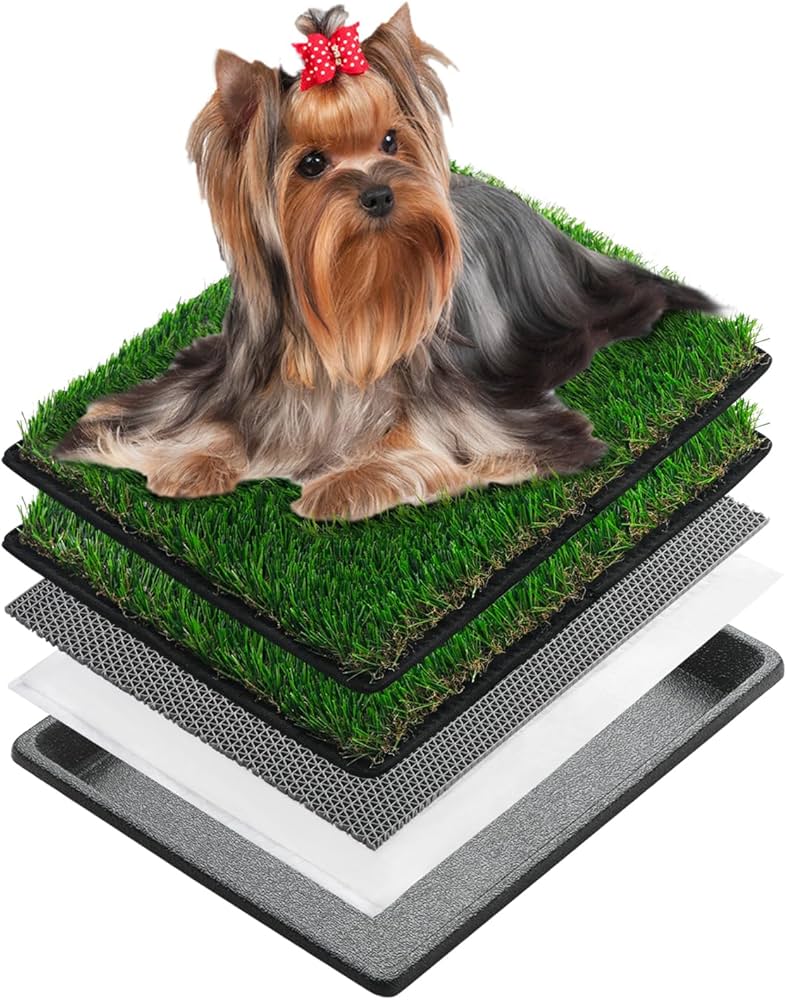
Welcome to the world of dog ownership, where every wagging tail and happy bark brings immense joy. However, the journey also comes with its share of challenges, one of the most significant being potty training. For many urban dwellers or those with limited outdoor space, finding a convenient and effective solution can be a puzzle. This is where fake grass potty training for dogs emerges as a game-changer, offering a clean, consistent, and accessible option for your furry friend. Let’s dive into how this innovative approach can transform your potty training experience.
Understanding the Need for Potty Training Solutions
Potty training is a fundamental aspect of responsible dog ownership. It’s not just about convenience; it’s about hygiene, preventing damage to your home, and establishing a routine that benefits both you and your dog. Traditional methods often rely on frequent trips outdoors, which can be impractical for busy schedules, elderly owners, or those living in apartments. Adverse weather conditions can also pose a significant barrier. The desire for a reliable alternative has led to various solutions, with artificial turf for dogs gaining considerable traction. This method provides a designated, appealing spot for your dog to relieve themselves, mimicking the natural surface they’d find outdoors.
What is Fake Grass Potty Training?
Fake grass potty training involves using artificial turf specifically designed for pets as a designated potty area. This isn’t your average backyard synthetic grass; pet-specific turf is engineered with drainage in mind and often incorporates antimicrobial properties to minimize odors and bacteria. It can be used in various settings: on balconies, patios, in designated indoor corners, or even as a portable solution for travel. The core principle is to create a consistent and attractive surface that signals to your dog that this is the appropriate place to go. This setup often includes a drainage system, such as a tray or a perforated base, to manage waste effectively. For a more in-depth look at specific techniques, understanding toilet training dogs indoors can provide valuable context.
Benefits of Using Fake Grass for Dogs
The advantages of incorporating fake grass into your dog’s potty routine are numerous and impactful:
- Consistency: Dogs thrive on routine. A consistent potty spot, regardless of the weather or time of day, helps reinforce training.
- Convenience: Eliminate the need for constant outdoor trips, especially during harsh weather or late at night.
- Cleanliness: Pet-friendly artificial turf is designed for easy cleaning and waste management, reducing mess and odor.
- Space-Saving: Ideal for apartment living, small yards, or areas where natural grass is unfeasible.
- Reduced Odor: Many products feature antimicrobial properties and superior drainage to combat unpleasant smells.
- Year-Round Use: Unlike natural grass, artificial turf remains functional and appealing in all seasons.
- Durability: High-quality pet turf is built to withstand enthusiastic paws and frequent use.
Considering these benefits, it’s clear why many owners are turning to solutions like fake grass for dog training.
How to Implement Fake Grass Potty Training
Successfully implementing fake grass potty training requires a systematic approach, much like any other training method. Here’s a step-by-step guide:
1. Choosing the Right Fake Grass System
Not all artificial turf is created equal. Look for products specifically designed for pets. Key features to consider include:
- Drainage: Excellent drainage is paramount. Look for systems with drainage holes in the turf and a collection tray or absorbent layer beneath.
- Material: Opt for non-toxic, durable materials that are comfortable for your dog’s paws.
- Odor Control: Antimicrobial properties or odor-reducing layers are a significant plus.
- Size and Portability: Choose a size appropriate for your dog and your space. Some systems are lightweight and portable, which is great for transitioning or travel.
2. Selecting the Location
Consistency is key. Choose a permanent location for the fake grass that will be easily accessible for your dog. Common choices include:
- Balcony: A popular choice for apartment dwellers.
- Patio/Deck: Offers an outdoor feel with easy cleanup.
- Indoor Corner: A designated spot inside can work, especially for initial training or very small dogs.
- Yard Area: If you have a yard but want a dedicated, cleaner potty zone.
For those in apartments, training a dog to pee on the balcony is a common scenario, and fake grass is an excellent tool for this.
3. Introduction and Encouragement
Once your system is set up, it’s time to introduce your dog:
- Familiarization: Place your dog on the fake grass several times a day. Let them sniff and explore. You can even rub a small amount of their urine on the grass (from a previous accident, for example) to help them associate it with pottying.
- Scheduled Potty Breaks: Take your dog to the fake grass area at regular intervals – upon waking, after meals, after playtime, and before bedtime.
- Positive Reinforcement: When your dog successfully eliminates on the fake grass, praise them enthusiastically and offer a high-value treat immediately. This positive association is crucial.
- Leash Guidance: Initially, you might want to keep your dog on a leash when taking them to the designated spot. This helps maintain focus and prevents them from wandering off.
4. Handling Accidents
Accidents will happen, especially in the early stages. The key is to remain calm and consistent:
- Don’t Punish: Never punish your dog for an accident. Punishment can lead to fear and anxiety, making training more difficult.
- Clean Thoroughly: Clean up accidents immediately using an enzymatic cleaner specifically designed for pet stains and odors. This is essential to prevent your dog from being attracted back to the same spot.
- Reassess: If accidents are frequent, re-evaluate your routine. Are you taking your dog out often enough? Is the chosen location problematic?
This process is similar to grass potty training for dogs, focusing on consistency and positive reinforcement.
Maintaining Your Fake Grass Potty Area
Proper maintenance is vital to ensure the longevity and hygiene of your fake grass system.
Daily Cleaning
- Pick Up Solids: Remove solid waste immediately after your dog eliminates.
- Rinse: Lightly rinse the area with water, especially if it’s outdoors, to wash away urine.
Weekly Cleaning
- Deeper Rinse: Give the entire area a more thorough rinse.
- Sanitize: Use a pet-safe disinfectant or an enzymatic cleaner specifically designed for artificial turf. Follow the product instructions carefully. Ensure the area is well-rinsed after sanitizing to remove any chemical residue.
Regular Maintenance
- Check Drainage: Ensure the drainage system is clear and not clogged.
- Deodorize: If odors persist, consider using a pet-specific deodorizer designed for artificial turf.
- Brush (Occasionally): For heavily used areas, occasional brushing can help maintain the turf’s appearance and prevent matting.
Troubleshooting Common Issues
Even with the best intentions, you might encounter a few bumps in the road.
Dog Refuses to Use the Fake Grass
- Association: Ensure the dog associates the grass with pottying. Try placing a small amount of their urine on the grass.
- Location: Is the location too distracting or not easily accessible? Try moving it if possible.
- Surface Preference: Some dogs are picky about surfaces. Introduce it gradually, perhaps starting with placing their existing potty pads on the grass.
- Reinforcement: Are your rewards motivating enough? Use high-value treats.
Persistent Odors
- Drainage Issues: Poor drainage is often the culprit. Ensure the system is working correctly.
- Inadequate Cleaning: You might need to clean more frequently or use a stronger enzymatic cleaner.
- Turf Quality: Lower-quality turf may not have the necessary odor-control features.
Dog Chews or Digs at the Grass
- Boredom/Anxiety: This often stems from boredom, separation anxiety, or a need for more stimulation. Ensure your dog gets enough exercise and mental enrichment.
- Supervision: Supervise your dog when they are using the potty area, especially during the training phase.
- Discouraging Sprays: Pet-safe deterrent sprays can sometimes help, but addressing the underlying cause is more effective.
For persistent issues, consulting resources on how to train your dog to pee on the balcony or seeking advice from a professional dog trainer can be invaluable.
When to Consider Professional Help
While fake grass potty training is effective for many, some dogs may require additional support. If you’re struggling with persistent behavioral issues, accidents, or lack of progress, don’t hesitate to consult a certified professional dog trainer or a veterinary behaviorist. They can help identify underlying issues and tailor a training plan specific to your dog’s needs.
Conclusion: A Cleaner, Greener Potty Solution
Fake grass potty training offers a practical, clean, and consistent solution for dog owners, especially those in urban environments or with limited outdoor access. By choosing the right system, selecting an appropriate location, and employing patient, positive reinforcement, you can successfully train your dog to use this innovative potty solution. Remember, consistency, patience, and positive reinforcement are the cornerstones of any successful dog training endeavor. Embracing fake grass potty training can lead to a more harmonious living situation, ensuring a cleaner home and a happier dog. It’s a small change that can make a big difference in your daily life and your dog’s well-being.
