
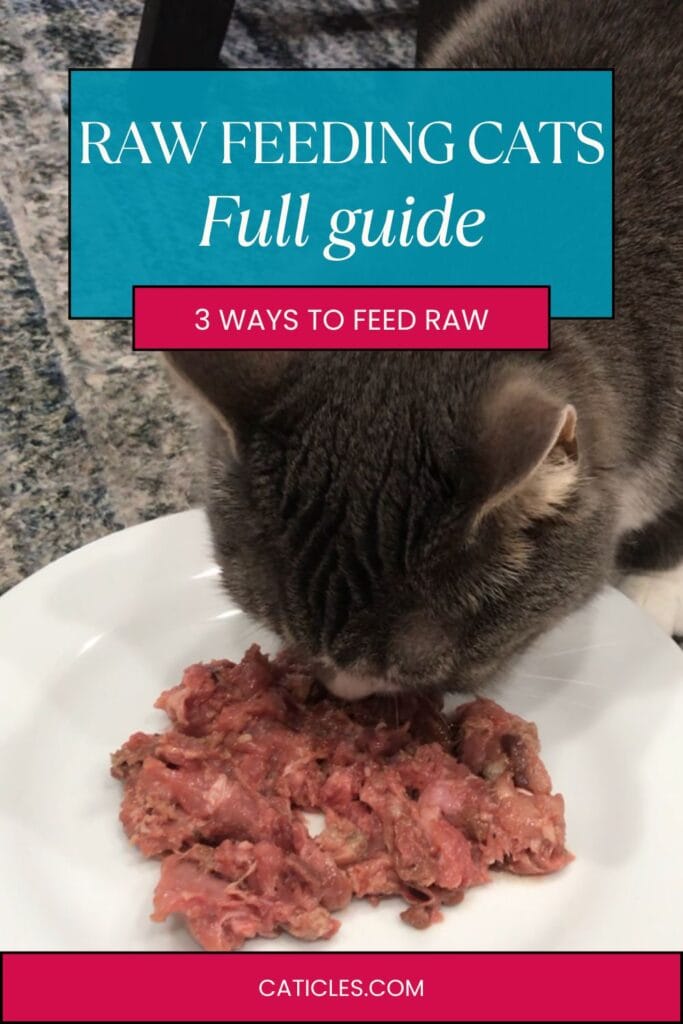
Embarking on a whole prey diet for your feline companion can be a rewarding experience, offering a natural and highly nutritious way to feed your cat. If you’ve been considering this dietary shift, you might be wondering about the best way to start, especially with options like whole prey mice and chicks available. This guide will walk you through the process, drawing on established knowledge and practical advice to ensure a smooth and successful transition for your cat.
Understanding the Whole Prey Diet
The concept behind a whole prey diet is to mimic what cats naturally consume in the wild – their prey. This typically includes the entire animal, encompassing meat, organs, and bones, providing a balanced nutritional profile. For cats, especially kittens who are rapidly growing, this can offer significant benefits.
Gradual Introduction is Key
When introducing whole prey, it’s crucial to do so gradually. If your cat is accustomed to commercial food, simply presenting a whole prey item might not be immediately recognized as food. Start by offering familiar foods alongside the new whole prey items. This allows your cat to investigate and become comfortable with the new food source at their own pace. As their acceptance grows, you can gradually increase the proportion of whole prey in their diet.
Starting Small and Progressing
For kittens or cats with smaller jaws, beginning with smaller prey items is recommended. Day-old chicks and pinkie mice are excellent starting points. As your cat’s jaw strength develops, you can introduce slightly larger prey like small quail, then whole quail, small chickens, and eventually rabbits. This progressive approach ensures your cat can comfortably and safely consume the prey. If your cat initially refuses to chew bones, you can also offer adult or semi-adult prey cut into smaller, manageable pieces.
Nutritional Guidelines and Feeding Amounts
Determining the correct amount of food for your cat is essential for their health. A general guideline for feeding raw or whole prey diets is to multiply the cat’s weight in pounds by 16, and then multiply that by an energy output factor. This factor ranges from 2% for sedentary cats to 10% for active kittens.
For example, a 6-pound active kitten would require approximately 11 ounces of food per day (6 lbs 16 0.10 = 9.6 ounces, rounded up for this example). It’s important to remember that these are guidelines, and slight variations are acceptable. The most accurate indicator of a kitten’s health on this diet is consistent weight gain, typically around 1 pound per month.
Incorporating Other Protein Sources
While transitioning to whole prey, you don’t necessarily need to eliminate your cat’s current food entirely. Continue feeding their accustomed diet alongside the whole prey until they show a clear preference and consistent consumption of the whole prey. For cats that may not readily accept whole prey or have specific medical needs, incorporating other protein sources like rich red meats (buffalo, venison) can be beneficial. The decision to include dry food should ideally be made in consultation with a veterinarian, particularly if your cat has a medical condition requiring it.
Resources for Further Information
Transitioning to a whole prey diet involves a learning curve, and consulting reliable resources is highly recommended. Several excellent organizations provide in-depth information on feline nutrition and raw feeding:
- CatInfo.org: Offers comprehensive resources on cat nutrition and feeding.
- Feline-Nutrition.org: Provides detailed articles on transitioning cats to raw diets.
- RawFedCats.org: A valuable resource for those interested in raw feeding for cats.
- Raw Cats Facebook Group: This community offers excellent information and support for those following a prey model diet.
Exploring these resources will better equip you to make informed decisions about the best dietary choices for your cat. Prey model diets can be cost-effective, especially if you have access to a variety of meats and organs from local sources. While preparing these diets, whether in chunks or ground form, does require time, the benefits of feeding a diet that closely mimics a cat’s natural eating habits are significant.
Conclusion
Adopting a whole prey diet for your cat can be a natural and effective way to support their health and well-being. By starting gradually, choosing appropriate prey sizes, and adhering to feeding guidelines, you can ensure a successful transition. Remember to consult reputable sources and, when in doubt, seek advice from your veterinarian. With patience and the right information, you can provide your feline friend with a diet that truly aligns with their evolutionary needs.
