
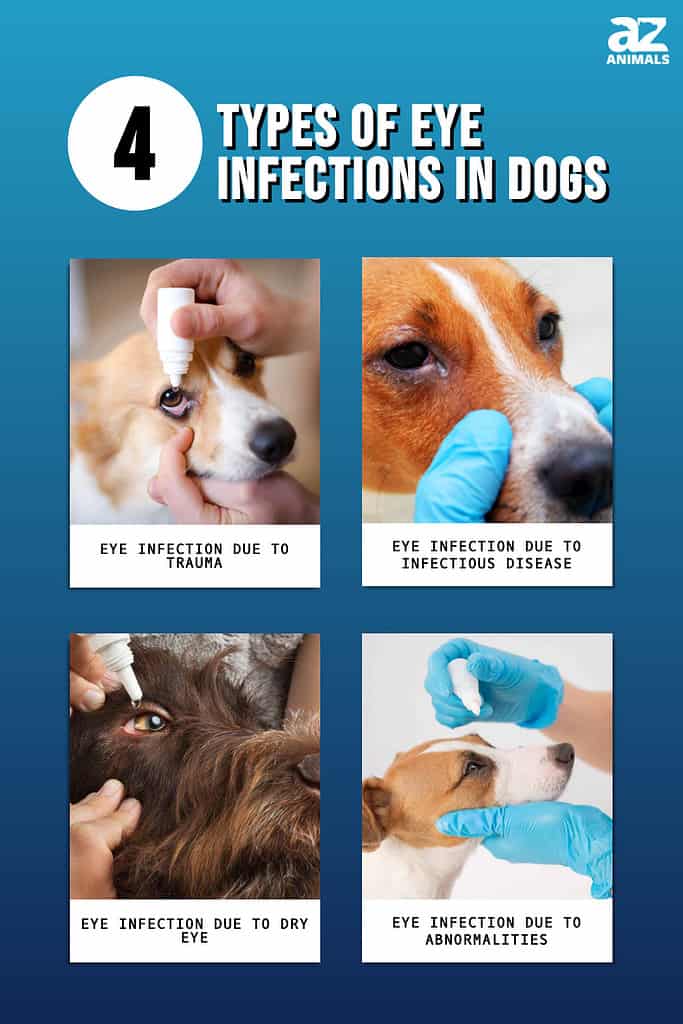
Ensuring your dog’s ocular health is paramount, and selecting the correct eye drops is a critical step in addressing any eye-related issues. The choice between simple saline solutions and prescription medications depends entirely on the specific condition. It is essential to consult with your veterinarian before administering any eye drops, as the wrong product can potentially exacerbate your dog’s condition.
This guide will help you understand the different types of eye drops available, how to apply them correctly, and what to consider when purchasing eye care products for your canine companion.
Understanding Different Types of Dog Eye Drops
Various types of eye drops cater to different canine eye problems, ranging from minor irritations to more serious conditions.
- Saline Eyewashes: These over-the-counter solutions are effective for cleaning dirt and debris from your dog’s eyes. They can also help remove mild crustiness and gunk from the corners of the eyes, offering relief from minor allergies. However, they may not be sufficient for issues like redness, dryness, or more complex eye problems.
- Antibiotic Eye Drops: Medications such as ciprofloxacin (Ciloxan) might be prescribed by your vet to treat infections like canine conjunctivitis or keratitis.
- Steroid Eye Drops: These are used for severe allergies and eye infections. They require a veterinary prescription and should never be used if your dog’s cornea is damaged.
- Antibacterial Eye Drops and Topical Products: While available in pet stores for cleansing and treating irritation, it’s crucial to consult your vet before using these.
- Eye Drops for Canine Glaucoma: Medications like dorzolamide (Cosopt and Trusopt) or timolol (Timoptic and Betimol) may be part of a treatment plan for glaucoma.
- Ophthalmic Medications for Dry Eyes: Cyclosporine (Opptimune) or tacrolimus are designed to boost tear production and supplement the natural tear film for dogs suffering from dry eyes.
Your veterinarian might also recommend topical eye ointments as an alternative to drops, depending on the specific condition. Ointments, due to their consistency, often require less frequent application than drops, but always adhere strictly to your vet’s instructions.
All these specialized formulations aim to target the problem without causing harm. If you notice any adverse reactions or a worsening of your dog’s condition, contact your veterinarian immediately.
How to Administer Eye Drops to Your Dog
Correct application ensures your dog receives the proper dosage for effective healing. Always follow the instructions on the medication bottle and any specific guidance from your vet.
Here’s a step-by-step guide:
- Hygiene First: Thoroughly wash your hands before and after administering the drops.
- Clean the Area: Gently wipe the area around your dog’s eye with a warm, damp washcloth to remove any discharge or debris.
- Secure Your Dog: Gently cradle your dog’s head or ask a trusted assistant to help hold them still.
- Positioning: Hold the medicine bottle with your dominant hand. Use the thumb and index finger of your opposite hand to gently pull down your dog’s lower eyelid, creating a small pocket. Your fingers can support your dog’s chin if needed.
- Application: Bring the bottle tip close to the eye, being careful not to touch it. Aim for the center of the eye and gently squeeze the prescribed number of drops into the pocket created by the lower eyelid.
- Blinking Action: Your dog will naturally blink, which helps to distribute the medication evenly across the eye surface.
Remember to offer praise and reassurance throughout the process. A treat after successful administration can make the experience more positive for both you and your dog, making future applications much easier.
Can Human Eye Drops Be Used for Dogs?
It is strongly advised not to use human eye drops, including artificial tears, on your dog without consulting your veterinarian first. Ingredients that are safe for humans may be harmful to dogs, and vice versa. For instance, redness-relieving drops often contain naphazoline, which can be toxic if ingested by dogs. Similarly, some glaucoma drops contain brimonidine, a substance poisonous to pets. Even small amounts of these ingredients can cause a dangerous drop in blood pressure and heart rate.
Tips for Purchasing Dog Eye Care Products
Choosing the right products is vital for your pet’s well-being. When selecting eye drops or other eye care items for your dog, keep these tips in mind:
- Veterinary Consultation: Always discuss any new medication or treatment with your veterinarian before use.
- Verified Sources: Purchase products only from reputable and verified sellers.
- Inspect Packaging: If buying in person, check the product packaging for any signs of tampering. Avoid purchasing if the seal is broken.
- Follow Directions: Use eye drops and medications strictly as prescribed by your vet.
- Read Reviews: While individual results can vary, reading product reviews can offer insights into the effectiveness of different formulas for various breeds and conditions. However, remember that every dog is unique, and what works for one may not work for another.
Maintaining Your Dog’s Overall Eye Health
Regularly inspecting your dog’s eyes for any abnormalities is a key part of their overall health care. Many cases of normal eye gunk or discharge can be gently wiped away with a warm washcloth. However, persistent discharge, redness, or swelling could indicate a more serious issue requiring veterinary attention.
Ensure your dog’s hair is kept trimmed away from their eyes to prevent irritation. Regular veterinary checkups are also crucial for monitoring their overall health, including their eyes. By being proactive and working closely with your veterinarian, you can help ensure your dog enjoys clear vision and healthy eyes.
