
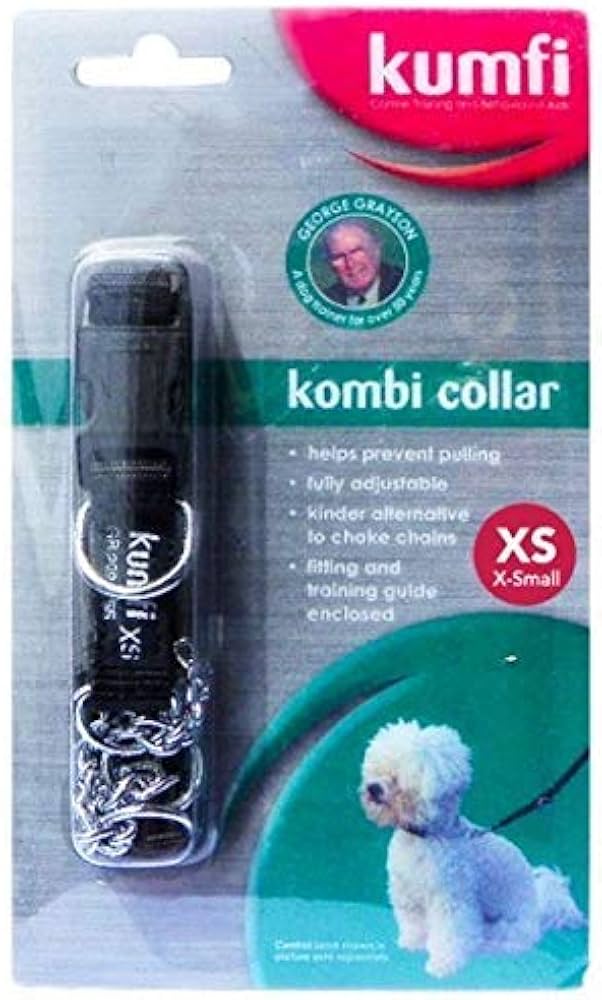
Welcoming an extra small dog into your home means embracing a huge personality packed into a tiny body. While their spirited nature is part of their charm, it can sometimes make training a unique challenge. Standard tools and methods often don’t apply to these delicate companions. When you need a little help refining behaviors, the right Extra Small Dog Training Collar can be a game-changing tool, designed specifically to be safe, effective, and proportionate for your petite pup.
This is not about punishment, but about opening a clear line of communication. Think of it as a gentle tap on the shoulder to interrupt an unwanted behavior like excessive barking or jumping, allowing you to redirect their focus. A deeper understanding of these tools can be found in our comprehensive guide to dog training, which covers various foundational principles. With the right approach, these collars can strengthen your bond and help your tiny friend become a well-mannered companion.
Why a Specialized Collar for Your Tiny Dog is Crucial
You wouldn’t use a Great Dane’s leash for a Chihuahua, and the same logic applies to training collars. Extra small breeds have unique physical and temperamental needs that demand specialized equipment. A standard-sized e-collar is not just clunky; it’s potentially harmful. The receiver can be too heavy, causing neck strain, and the contact points may be too far apart for a secure, safe connection.
Most importantly, the stimulation levels on a regular collar are often too intense for a toy breed’s sensitivity. Using a device designed for a larger dog can be overwhelming and frightening, leading to anxiety rather than learning. A dedicated extra small dog training collar is engineered with a lightweight receiver, smaller contact points, and a much finer range of adjustable, lower-level stimulations to ensure the experience is a gentle corrective pulse, not a painful shock. Safety is the cornerstone of effective training, and that starts with using the right-sized tool for your tiny companion.
Decoding the Features of an Extra Small Dog Training Collar
When navigating the market for a training collar, the sheer number of features can be daunting. For a toy breed, however, a few key characteristics stand out as non-negotiable. Focusing on these will ensure you select a device that is both humane and effective.
Beyond Shock: The Importance of Multiple Training Modes
Modern training collars are far more sophisticated than the “shock collars” of the past. The best models offer a trio of training modes, allowing you to use the lightest touch necessary.
- Tone (Beep): This is often the first step. A simple audible beep is enough to interrupt a dog’s focus on an unwanted behavior, like whining or scratching at the door. Many dogs quickly learn to associate the sound with a command to stop, eliminating the need for any physical correction.
- Vibration: If a tone isn’t quite enough to get their attention, a vibration mode is the next level up. It’s a gentle, humane buzz that feels much like a phone vibrating in your pocket. It’s startling but not painful and is highly effective for most small dogs.
- Static Stimulation: This should always be the last resort. A quality extra small dog training collar delivers a mild static pulse, similar to the sensation of touching a doorknob after walking on carpet. It’s not designed to hurt but to create a surprising and unpleasant sensation that makes the dog stop and think about what they were just doing.
Finding the ‘Just Right’ Level: Adjustable Intensity
The ability to fine-tune the correction level is paramount for a small dog. Look for models that offer a wide range of intensity levels, with some of the best offering 100 or more. This isn’t about having more power; it’s about having more precision. For a five-pound dog, the difference between level 2 and level 3 can be significant. A wide spectrum allows you to find the absolute lowest possible level that your dog responds to, ensuring the correction is always gentle and never excessive.
Designed for Comfort: Size and Weight Matter
The physical design of the collar is just as important as its electronic features. The receiver unit—the small box that sits on the dog’s neck—should be compact and feather-light. A bulky receiver will be uncomfortable, restrict movement, and can cause skin irritation. Top brands design their micro-collars to be ergonomic and barely noticeable to the dog, ensuring they can wear it comfortably during training sessions without it becoming a distraction.
Other Key Features to Consider
- Range: The distance the remote can communicate with the collar. For most companion dog training, a range of a few hundred yards is more than sufficient.
- Battery Life: Rechargeable lithium-ion batteries are standard now and offer convenience. A good collar should hold a charge for several days of typical use.
- Waterproofing: A waterproof or water-resistant collar provides peace of mind, whether you’re caught in the rain or your pup decides to splash in a puddle.
How to Safely and Effectively Use a Training Collar on Your Small Dog
Having the right tool is only half the battle; using it correctly is what ensures success. The goal is to create a clear association between the unwanted behavior and the correction, followed by redirection to a positive action.
- The Perfect Fit: The collar must be snug enough for the contact points to touch the skin on the dog’s neck, but not so tight that it restricts breathing. You should be able to fit one or two fingers comfortably between the collar strap and your dog’s neck.
- Introduction Phase: Let your dog wear the collar for short periods for a day or two without turning it on. You want them to associate the collar with normal, everyday activities, not just with correction.
- Start Low and Slow: Begin with the tone or vibration setting. When your dog engages in an unwanted behavior, press the button. Often, this is enough to make them stop. Only move to the lowest static setting if they completely ignore the first two modes.
- Timing is Everything: The correction must be applied at the exact moment the misbehavior occurs. If you’re too late, your dog won’t understand what they’re being corrected for. This principle is universal, whether you’re working on leash manners or house training, which is closely related to how to train dogs to pee outside.
- Redirect and Reward: The instant your dog stops the negative behavior, praise them enthusiastically or offer a treat. The goal isn’t just to stop the bad behavior but to teach them what you want them to do instead.
Top Recommended Models for the Tiniest Pups
While many brands exist, a few stand out for their commitment to creating genuinely small, safe, and effective collars for toy breeds.
The Specialist: ME-300 Micro Educator
This collar is frequently praised by trainers for being one of the best on the market for tiny dogs. It’s specifically designed for dogs as small as five pounds. The receiver is about 20% smaller and lighter than other models in its class, and it utilizes a lower level of stimulation, making it exceptionally gentle while still being effective.
The All-Rounder: ET-300 Mini Educator
A wildly popular choice, the Mini Educator is known for its unique “stopwatch” style remote that is ergonomic and easy to use without looking. It features 100 levels of static correction plus a “boost” feature for high-distraction environments, giving owners an incredible amount of precise control. Proper leash handling is also critical in these situations, a skill detailed in our article on how to train dog to walk beside you.
The Reliable Choice: Dogtra 200C
Dogtra is a trusted name in the e-collar world, and the 200C model is an excellent entry-level option suitable for dogs ten pounds and up. It offers 100 levels of stimulation and a high-performance pager (vibration) mode that is strong enough to get the attention of even the most determined terriers.
Expert Advice: A Word from Dr. Sarah Miller, Canine Behaviorist
“An extra small dog training collar is not a remote control for your dog; it’s a communication device. It’s about getting their attention, breaking focus on a negative behavior, and redirecting them to a positive one. Always pair it with patience and praise.”
Frequently Asked Questions (FAQ)
Are training collars safe for Chihuahuas, Yorkies, and other toy breeds?
Yes, when they are specifically designed for extra small dogs and used correctly. The key is to use a model with a lightweight receiver and a low, adjustable level of stimulation. Always start with tone or vibrate modes first.
At what age can I start using a training collar on my small dog?
Most veterinarians and professional trainers recommend waiting until a puppy is at least 6 months old. They should have a solid understanding of basic commands like “sit” and “stay” before e-collar training begins.
Will a shock collar hurt my small dog?
Modern, high-quality training collars use “static stimulation,” not a dangerous electric shock. The sensation is designed to be surprising and unpleasant, not painful. At the low levels used for small dogs, it’s often compared to a tiny muscle twitch or a static electricity zap. Always prioritize using the vibration and tone features first.
How long should my dog wear the training collar?
The collar should only be worn during active training sessions. It should not be left on for more than 8-10 hours a day, and its position should be checked and adjusted every couple of hours to prevent skin irritation. Never leave it on a dog 24/7.
Can I use this collar to stop my small dog from barking?
Yes, a remote training collar can be very effective for stopping nuisance barking. Because you control it with the remote, you can deliver a correction the instant the unwanted barking starts, which helps the dog make a clear connection.
A Tool for Better Communication
Choosing to use an extra small dog training collar is about enhancing your relationship with your pet. It provides a clear, consistent, and safe way to communicate boundaries and expectations. When combined with positive reinforcement, patience, and a loving approach, this specialized tool can help you overcome training hurdles and nurture the well-behaved, joyful companion you know your tiny dog can be.
