
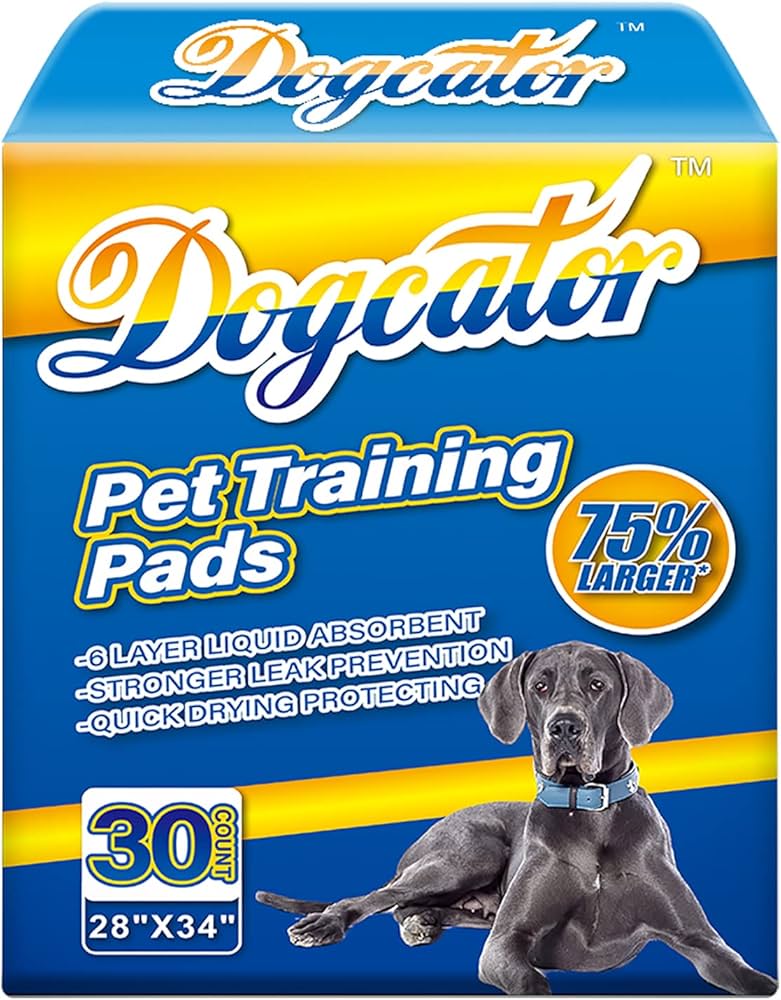
Potty training your canine companion can be a rewarding experience, and having the right tools can make all the difference. Extra Large Dog Training Pads are an indispensable asset for any dog owner navigating this crucial stage, whether you have a growing puppy, a large breed, or a senior dog requiring special assistance. These absorbent mats offer a designated, convenient, and hygienic space for your dog to relieve themselves, minimizing accidents in the house and providing peace of mind for you. Understanding their benefits and how to use them effectively can significantly streamline the potty training process.
The journey of potty training is as old as dog domestication itself, evolving from simple instinctual correction to more sophisticated, positive reinforcement methods. Historically, owners relied on punishment or simply managing the aftermath of accidents. However, modern understanding of canine behavior and learning has led to more humane and effective techniques. Today, tools like extra large dog training pads are a testament to this evolution, offering a structured approach that aligns with a dog’s natural inclination to eliminate in a specific area away from their living space. This method is particularly beneficial for apartment dwellers, those with mobility issues, or during inclement weather when outdoor access is limited.
Why Choose Extra Large Dog Training Pads?
When it comes to successful potty training, the size and absorbency of your training pads are paramount. Extra large dog training pads are specifically designed to cater to larger breeds or to provide a more generous target area for smaller dogs, reducing the chances of misses and subsequent messes. Their substantial size ensures that even the most active or largest dogs have ample space to position themselves comfortably, while the advanced materials within the pad quickly lock away moisture and control odors. This means fewer clean-ups for you and a more positive, less stressful experience for your dog.
Superior Absorbency and Odor Control
The core advantage of high-quality extra large dog training pads lies in their multi-layered construction. The top layer is designed for rapid liquid absorption, wicking moisture away from your dog’s paws to keep them dry and comfortable. Beneath this lies a super-absorbent core, typically made of polymer crystals, which can hold a significant amount of liquid, often many times its own weight. This is crucial for preventing leaks and the dreaded “run-through.” Finally, a waterproof backing ensures that even the most vigorous puppy or largest dog’s needs won’t seep through to your floors. Many pads also incorporate advanced odor-neutralizing agents, actively combating ammonia and other unpleasant smells, which is essential for maintaining a fresh-smelling home and encouraging your dog to use the pad consistently.
Ideal for All Dog Sizes and Situations
While the “extra large” designation might suggest they are only for big dogs, these pads offer versatility for all sizes. For large breeds like Great Danes, Mastiffs, or German Shepherds, the generous surface area is a clear necessity. However, for smaller breeds, an extra large pad provides a much larger target, which can be incredibly helpful during the initial stages of training or for dogs that are still a bit unsure. They are also perfect for senior dogs experiencing incontinence, dogs recovering from surgery, or any household where a reliable, absorbent solution is needed. Consider x large training pads for dogs for a reliable option.
Potty Training with Extra Large Pads: A Step-by-Step Approach
Successfully implementing extra large dog training pads involves more than just placing them on the floor. A systematic approach, combining consistency, positive reinforcement, and understanding your dog’s cues, is key. The goal is to create a positive association with the pad as the designated toilet area.
Step 1: Choosing the Right Location
Placement is critical. Choose a spot that is easily accessible for your dog but somewhat removed from their main living and sleeping areas. Initially, you might place the pad in an area where accidents are more likely to happen, gradually moving it closer to your desired permanent potty spot (e.g., near the back door if you eventually want them to go outside). Ensure the pad is flat and secure; some pads come with adhesive strips on the back to prevent shifting.
Step 2: Establishing a Routine
Dogs thrive on routine. Take your dog to the pad frequently, especially:
- First thing in the morning
- After waking up from naps
- After meals and drinking
- After periods of play
- Before bedtime
When you take your dog to the pad, use a consistent verbal cue, such as “Go potty” or “Do your business.” Stay with them quietly, offering praise and a small treat immediately after they successfully eliminate on the pad. If they don’t go, calmly bring them back to their crate or designated safe area and try again in 15-20 minutes.
Step 3: Positive Reinforcement is Key
Positive reinforcement is the cornerstone of effective potty training. Whenever your dog uses the pad successfully, shower them with praise, offer a high-value treat, and perhaps engage in a brief play session. This creates a strong positive association with the act of pottying on the pad. Avoid punishment; scolding or punishing your dog for accidents can lead to fear and anxiety, making them more likely to hide when they need to go, which is counterproductive. If you catch them in the act of having an accident, interrupt them gently with a sound (like a clap) and immediately escort them to the pad.
Step 4: Managing Accidents
Accidents are a part of the process. When they happen, clean them up thoroughly using an enzymatic cleaner. These cleaners are essential because they break down the biological waste, eliminating odors that might attract your dog back to the same spot. Regular household cleaners may mask the smell for humans but not for dogs, inadvertently encouraging repeat offenses. For guidance on cleaning, how to train potty train dog can offer valuable insights.
Step 5: Transitioning (if applicable)
If your ultimate goal is for your dog to go potty outside, you’ll need a transition plan. Once your dog is consistently using the extra large training pads, begin moving the pad closer to the door you intend to use for outdoor potty breaks. Eventually, place the pad just outside the door. Then, gradually reduce the size of the pad or replace it with a smaller one, encouraging your dog to aim for the designated outdoor spot. Consistency during this transition is crucial. You may find resources like how can I train my dog to pee outside helpful.
Common Challenges and Solutions
Even with the best intentions and tools, challenges can arise during potty training. Understanding these and having solutions ready can save you frustration.
My Dog Won’t Use the Pad
- Solution: Ensure the pad is in a quiet, low-traffic area. Rule out any strong odors from previous accidents nearby. Try a different brand or type of pad, as some dogs have preferences. Use a lure, like a tiny piece of a high-value treat, to encourage them onto the pad.
My Dog Puts Paws on the Pad but Doesn’t Go
- Solution: This often indicates nervousness or uncertainty. Increase the duration of your quiet waiting time, or try taking them out more frequently so they are less likely to need to go urgently when placed on the pad. Praise and reward even the slightest attempt.
My Dog Has Accidents Around the Pad
- Solution: This usually means the pad isn’t large enough or isn’t placed optimally. If using extra large pads, consider if they are truly adequate for your dog’s size and accuracy. Re-evaluate the location – is it too close to their food or bed? Is there a more private spot available?
My Dog Chews the Pads
- Solution: This is a common issue, especially with puppies. Ensure the dog has plenty of appropriate chew toys. Supervise them closely when they are near the pads. If chewing persists, you might need to temporarily restrict their access to the pads when unsupervised or consider using a pet training spray that has a deterrent scent, like the best dog training spray.
Beyond Puppies: Pads for Senior Dogs and Special Needs
The utility of extra large dog training pads extends far beyond puppyhood. Senior dogs often experience a decline in their ability to hold their bladder, or may develop medical conditions that affect their continence. For these beloved companions, pads offer a way to maintain their dignity and comfort while providing a reliable solution for owners. They can significantly reduce stress for both the pet and the caregiver, ensuring a comfortable living environment.
For dogs recovering from surgery or illness, or those with mobility issues, the ease of access provided by pads is invaluable. A dog that struggles to go up and down stairs or walk long distances can still relieve themselves safely and comfortably indoors. This is particularly relevant for potty training a rescue dog who may have unknown medical histories or behavioral quirks that make traditional outdoor training challenging. Extra large pads can be a supportive tool in helping these dogs adjust to a new home and build confidence.
Conclusion: A Foundation for a Happy Home
Extra large dog training pads are more than just absorbent squares; they are a strategic tool that empowers dog owners to foster a clean, harmonious living environment. By understanding their benefits, implementing a consistent training routine, and utilizing positive reinforcement, you can navigate the potty training journey with greater ease and success. Whether you’re welcoming a new puppy, managing the needs of a senior dog, or dealing with the occasional accident, these pads provide a reliable foundation for building a strong bond with your canine companion, ensuring more happy stories and fewer cleaning woes.
