

The American Pit Bull Terrier blue nose variant stands as a captivating testament to not only the breed’s beauty but also its rich history and multifaceted personality. Known for their slate-gray coats, which gleam with an almost ethereal quality, blue nose pit bulls have garnered a significant amount of admiration from dog enthusiasts around the globe. Their distinctive noses – a hallmark of this genetic variant – add to their unique charm. However, beyond the striking aesthetics lies a complex tapestry woven with history, cultural significance, and ongoing debates surrounding breed perceptions.
The growing popularity of blue nose pit bulls often invites both fascination and misunderstanding, prompting potential owners and admirers alike to delve deeper into the essence of these dogs. Embracing their loving nature and playful demeanor offers a window into understanding why many families choose them as companions, particularly in homes with children.
To navigate through misconceptions and appreciate the true character of the blue nose American Pit Bull Terrier, we must approach the subject with an informed perspective, shedding light on aspects ranging from their historical roots to health implications and cultural narratives.
The Rich History of the American Pit Bull Terrier

In order to fully appreciate the American Pit Bull Terrier blue nose, it is essential to first explore the breed’s historical context. Originating primarily in the United States during the late 19th and early 20th centuries, the American Pit Bull Terrier was bred for specific woking roles on farms. With strong ties to various bulldog breeds, they were initially utilized for farm work, including herding livestock and protecting property.
Roots in Farm Life – American Pit Bull Terrier Blue Nose

The origins of the American Pit Bull Terrier are steeped in practicality. These dogs were developed by crossing bulldogs with terriers, resulting in a robust breed capable of handling a variety of tasks. As family companions, they quickly gained popularity due to their loyal demeanor and affectionate nature, making them invaluable members of many households. In rural settings, their versatility was treasured; not only were they protective of the home, but they were also loving playmates for children.
As time went on, their role began to evolve. Whle maintaining their heritage as working dogs, they were increasingly viewed as companions who could forge deep emotional bonds with their human families. This dual identity shaped the breed’s reputation, cementing its place as a beloved choice among dog lovers seeking both utility and companionship.
The Evolution of Breeding Practices

The emergence of selective breeding practices played a significant role in defining the characteristics that we now associate with blue nose pit bulls. Enthusiasts recognized the importance of retaining the desirable traits of loyalty, intelligence, and gentleness, while also enhancing the aesthetic appeal of the breed. Over the years, breeders started focusing on producing dogs that exhibited the stunning blue coloration, combined with a temperament that appealed to families.
However, the popularity of the blue nose variant has introduced another layer of complexity. As demand increased, some unscrupulous breeding practices emerged, leading to concerns about the overall health and well-being of the dogs. Ethical breeders began emphasizing the significance of responsible breeding methods, advocating for practices that prioritize the dog’s health while still embracing their unique color variations.
Cultural Impact and Misconceptions

The cultural narrative surrounding the American Pit Bull Terrier—blue nose or otherwise—has often been marred by sensationalism and fear. Misunderstandings regarding the breed have led to widespread stigmatization, overshadowing the affectionate and gentle nature that many blue nose pit bulls exhibit.
Despite facing challenges in public perception, dedicated advocates for the breed have worked tirelessly to highlight the positive qualities of these dogs. Community programs aimed at education and responsible ownership have emerged, helping to reshape the narrative and promote a more nuanced understanding of the breed’s capabilities and personalities.
Understanding the Unique Temperament of Blue Nose Pit Bulls

When contemplating the American Pit Bull Terrier blue nose, it becomes crucial to examine the temperament traits that define these dogs. Often described as loving, playful, and loyal, blue nose pit bulls embody the ideal companion for families and individuals alike.
Loving Companionship

Blue nose pit bulls are frequently celebrated for their unwavering loyalty and love towards their human families. They thrive on companionship and are known to form strong attachments to their owners, often exhibiting behaviors that showcase their affection. This attachment translates into a dog that is eager to please and engage with their family members, creating a dynaic filled with joy and mutual respect.
Moreover, their gentle nature makes them particularly well-suited for families with children. Many blue nose pit bulls display remarkable patience and tolerance, interacting playfully with kids while providing a sense of security. This balance between playfulness and protectiveness fosters a nurturing environment, allowing both children and dogs to flourish together.
Playful Energy and Intelligence

Beyond their loving disposition, blue nose pit bulls are characterized by a vibrant energy that can enliven any household. Their playful spirit encourages engagement in various activities, whether it involves running in the yard, playing fetch, or participating in training exercises. Their athleticism coupled with intelligence means they require mental stimulation and physical exercise to remain happy and balanced.
Engaging in activities like obedience training and agility courses not only strengthens the bond between the dog and its owner but also channels their energy positively. It allows the dogs to showcase their intelligence and adaptability, further proving that they are not just a pretty face but also highly trainable companions.
Socialization and Upbringing
While blue nose pit bulls are generally known for their amiable temperament, it is important to recognize that individual behaviors can significantly vary based on upbringing and socialization experiences. Early exposure to diverse environments, other pets, and people can greatly influence how a dog develops socially.
Responsible owners play a vital role in shaping their blue nose pit bull’s behavior. By introducing them to different situations and teaching them appropriate responses, owners set the stage for well-rounded dogs that can confidently navigate their surroundings. A well-socialized blue nose pit bull is likely to be a calm, confident, and friendly member of society, breaking down barriers and stereotypes associated with their breed.
The Societal Perceptions and Challenges Faced by Blue Nose Pit Bulls
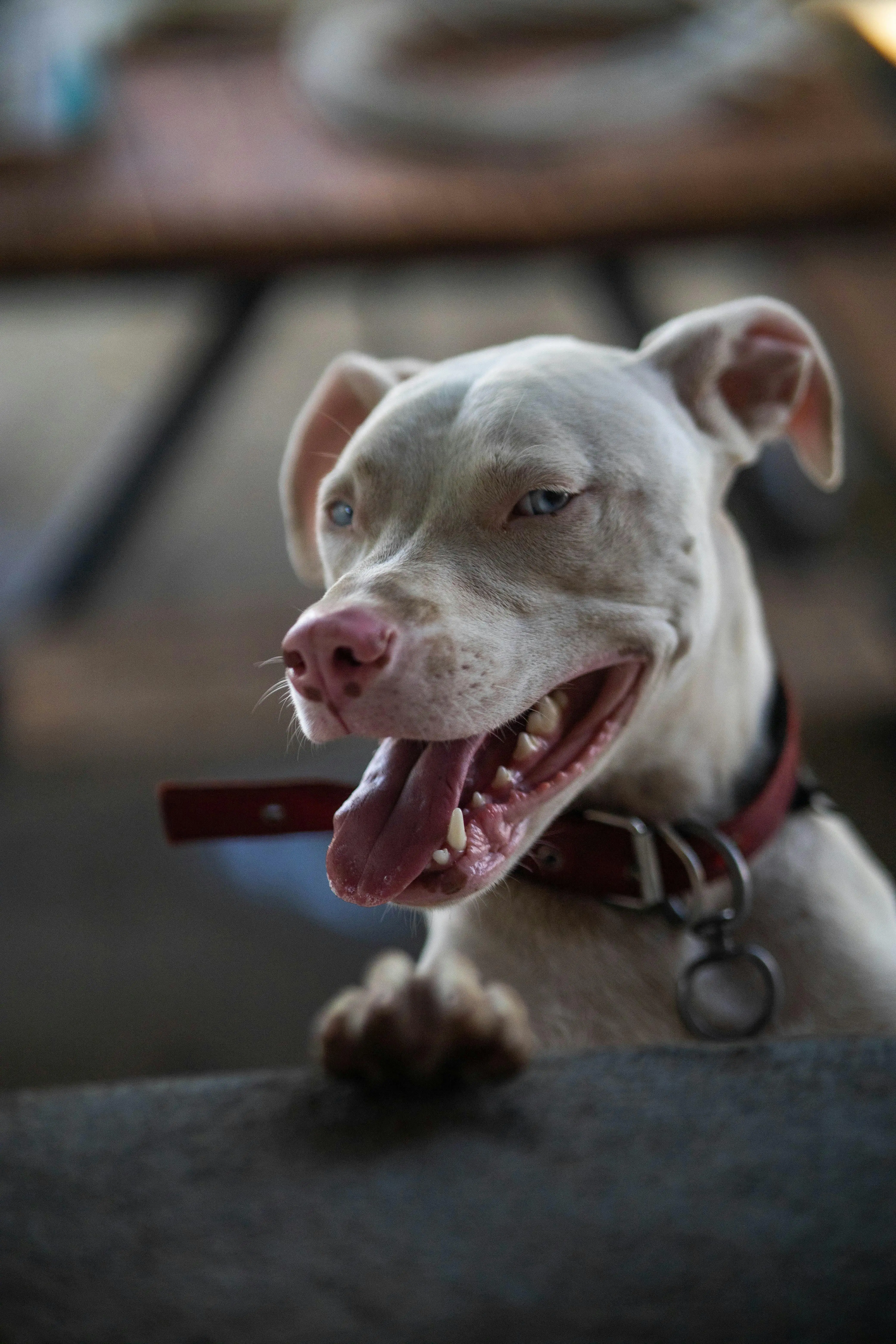
Navigating the societal landscape surrounding the American Pit Bull Terrier blue nose necessitates a critical examination of the challenges faced by the breed. Despite their loving and gentle nature, blue nose pit bulls continue to grapple with negative perceptions fueled by myths and media portrayals.
Stigmas Around Aggression
One of the most prominent issues affecting blue nose pit bulls is the stigma surrounding perceived aggression. Historically labeled as dangerous due to instances of misuse in dog fighting and sensationalist media coverage, pit bulls have suffered significant backlash. The unfortunate truth is that many of these narratives fail to consider the nuances of individual temperament and the fact that aggression is not inherently tied to breed.
The reality is that aggression can manifest in any breed, often arising from factors such as lack of socialization, abuse, or neglect. It is essential to evaluate each dog on its own merits, recognizing that a nurturing upbringing can negate the stereotypes often associated with the breed. Advocates consistently emphasize the importance of responsible pet ownership, encouraging prospective owners to educate themselves about the breed’s needs rather than relying on preconceived notions.
Advocacy and Community Engagement
In response to the societal challenges faced by blue nose pit bulls, countless advocacy groups have emerged to fight against discrimination and misinformation. These organizations prioritize community education, offering resources and support for responsible ownership practices. By fostering connections between dog owners and their communities, advocates hlp dispel myths rooted in fear and miseducation.
Furthermore, many of these organizations encourage outreach programs that allow blue nose pit bulls to shine within public spaces. Events showcasing their intelligence and friendly demeanor invite communities to interact with the breed, ultimately transforming public perception. Through positive interactions, advocates hope to showcase the warm-hearted nature of these dogs, paving the way for greater acceptance.
Legal and Housing Discrimination
Unfortunately, the negative stigma surrounding pit bulls can also translate into legal restrictions and housing discrimination in certain areas. Breed-specific legislation (BSL) has been enacted in various regions, placing limitations on owning pit bulls, including blue nose variants. Such laws are often enacted under the pretense of public safety, despite a lack of empirical evidence supporting their effectiveness.
These legal constraints not only limit the freedoms of responsible pet owners but also contribute to the cycle of abandonment and neglect. Advocacy efforts focus on raising awareness about the ineffectiveness of BSL while promoting legislative changes that address the root causes of aggression, such as irresponsible breeding and ownership practices. Every effort to shift these policies contributes to creating a more equitable environment for all dogs, regardless of breed.
Health Considerations and Responsible Ownership of Blue Nose Pit Bulls

Understanding the American Pit Bull Terrier blue nose also involves acknowledging the health considerations that come with the breed. While the allure of their unique coloration captivates many, it is equally vital for prospective owners to familiarize themselves with common health issues inherent to the breed.
Common Health Issues
Like all breeds, blue nose pit bulls can be prone to certain health conditions. Some prevalent issues include hip dysplasia, skin allergies, and heart diseases. Hip dysplasia, a genetic condition affecting the hip joint, can lead to pain and mobility problems if left unaddressed. Regular veterinary check-ups and proactive management can help mitigate the impact of these conditions, ensuring a healthy life for your pet.
Skin conditions, particularly allergies, are also common amog blue nose pit bulls. Their short coat may leave them susceptible to environmental allergens or irritants. Owners should remain vigilant in monitoring their dog’s skin health, seeking prompt veterinary intervention if any signs of discomfort arise.
Importance of Regular Veterinary Care
One of the cornerstones of responsible ownership is ensuring regular veterinary care. This not only includes routine vaccinations and check-ups but also discussions about breed-specific health risks. Being proactive in addressing potential health issues can lead to early diagnosis and treatment, prolonging the life of your blue nose pit bull while maintaining their quality of life.
Additionally, nutritional needs should not be overlooked. A balanced diet formulated for active breeds can help maintain optimal weight and support overall health. Educating oneself about proper nutrition and exercise routines is fundamental to achieving the best outcomes for your dog’s health.
Building a Supportive Community
For those considering adding a blue nose pit bull to their family, connecting with experienced owners and advocates can be immensely beneficial. Engaging in online platforms or local gatherings provides opportunities for knowledge exchange and camaraderie. Whether sharing tips on training techniques or discussing common challenges, community support plays a pivotal role in responsible ownership.
Furthermore, utilizing social media as a tool for connection can offer insights into the lives of other blue nose pit bull owners. Platforms like Reddit and Pinterest serve as valuable resources for finding anecdotal experiences and artistic celebrations centered on these dogs. Though shared stories and images, potential owners can gain a deeper appreciation for the joys and challenges of being part of the blue nose pit bull community.
Conclusion

The journey into understanding the American Pit Bull Terrier blue nose unveils layers far beyond superficial appearances. As we grasp the rich history of the breed, recognize the nuances of their temperament, confront societal misconceptions, and acknowledge health considerations, we begin to see the inherent value these dogs bring to our lives.
Through education, responsible ownership, and community engagement, we can foster a brighter future for blue nose pit bulls, one where they are embraced for their virtues instead of vilified for their lineage. Ultimately, the bond between these dogs and their human companions transcends mere color, revealing an abiding connection built on love, trust, and understanding.
The story of the blue nose American Pit Bull Terrier is one of resilience and companionship—a reminder that every dog, regardless of its background, deserves a chance at a loving home and a life filled with joy.
