
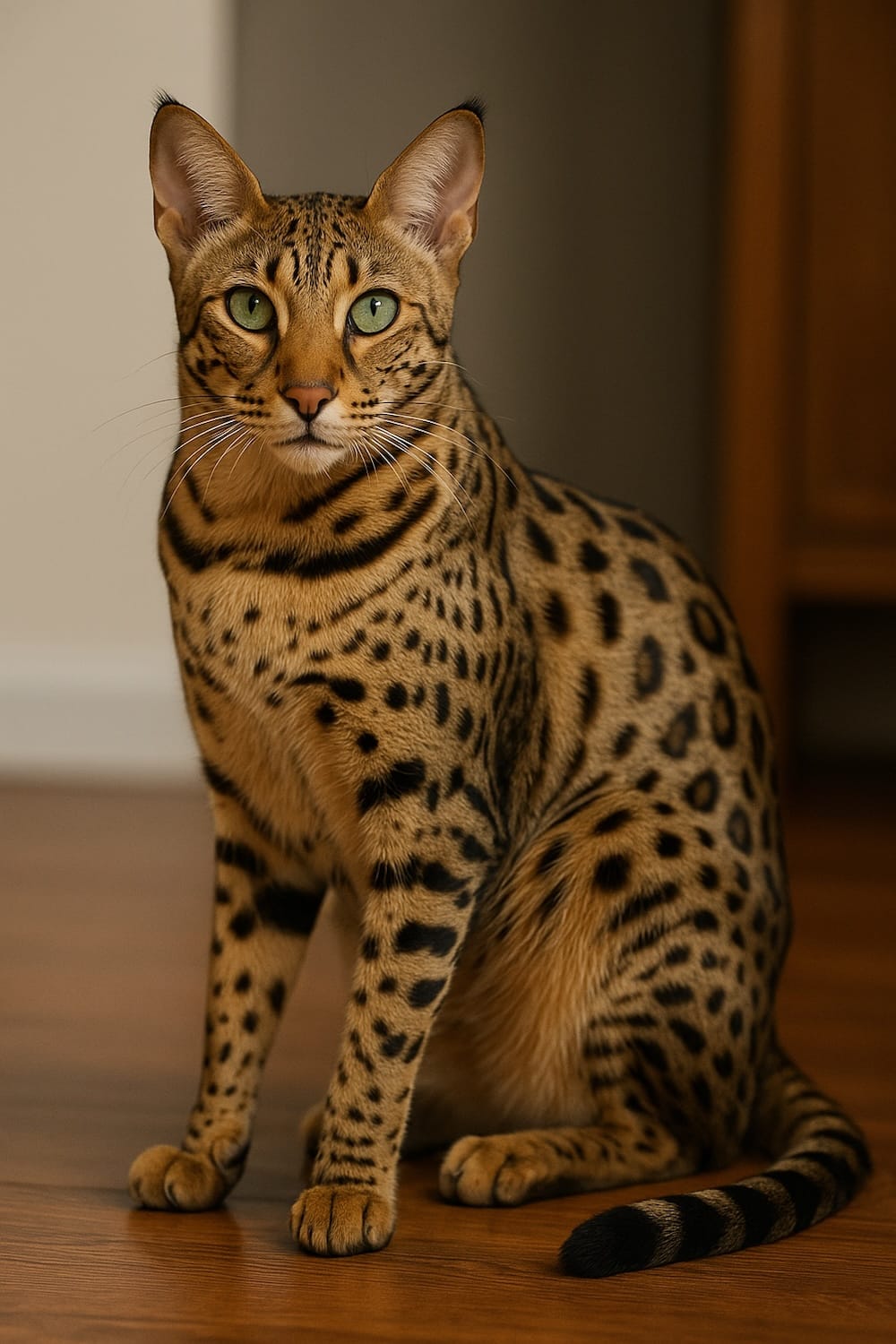
Cats, with their famously independent spirits and regal demeanor, have long held a special place in human hearts and homes. Perhaps it’s a lingering echo of their divine status in ancient Egypt, but their often sassy and sophisticated nature suggests a lineage of inherent self-importance. This inherent charisma only amplifies when considering the most expensive cat breeds globally, prompting the question: how much are devoted pet parents willing to invest in the most sought-after feline companions? This exploration delves into the fascinating world of luxury cat ownership, highlighting breeds that command astonishing prices, and what makes them so unique.
The Pinnacle of Price: Understanding the Most Expensive Cat Breeds
The allure of owning an exotic or rare cat breed often comes with a significant price tag. These costs are typically driven by a combination of factors, including the complexity of breeding, the rarity of the breed, specific genetic traits, and the demand from enthusiasts. While many of these breeds share common feline characteristics, their distinct appearances, temperaments, and histories contribute to their elite status and associated expenses.
1. Ashera Cats ($75,000–$125,000)
Topping the list, the Ashera cat is renowned for its strikingly exotic and wild appearance. This hybrid breed is a result of crossbreeding an African serval, an Asian leopard cat, and specific domestic cat breeds. Ashera cats are notably large, potentially reaching up to 40 pounds (18 kg), yet they generally maintain a lifespan comparable to many domestic cats, typically between 12 to 20 years. Their unique genetic makeup and stunning looks contribute to their position as the most expensive cat breed.
2. Savannah Cats ($1,500–$25,000)
The Savannah cat is a more recently developed breed, created by mixing the African serval with select domestic cat breeds to enhance docility. While still shorter than their wild ancestors, Savannah cats are significantly taller than the average house cat. They possess an adventurous spirit and a distinctive spotted coat that mimics their wild heritage. Their lifespan is similar to that of the Ashera cat, generally ranging from 12 to 20 years, provided they receive proper care and nutrition.
3. Khao Manee Cats ($7,000–$11,000)
Originating from Thailand, the Khao Manee is a purebred kitten that commands a premium price. Known for their striking white coat and often mismatched eye colors (one blue, one gold), they are considered symbols of good luck in their native country. While their beauty is undeniable, Khao Manee cats may not have the longest life expectancy compared to some other breeds on this list, often requiring attentive veterinary care.
4. African Serval Cats ($3,000–$10,000)
The African Serval is a wild cat species native to Africa, known for its tall, slender build, large ears, and spotted coat. When kept as pets, they require specialized care due to their wild instincts. Owning an African Serval often involves navigating complex legalities, including permits and specific housing requirements. Their high price reflects their exotic nature and the challenges associated with their care.
5. Ragdoll Cats ($300–$7,500)
Ragdoll cats are beloved for their striking blue eyes, plush coats, and incredibly docile and affectionate nature. They are known for going limp when picked up, hence their name. While their luxurious coat is beautiful, it does require regular grooming to prevent matting and manage shedding, especially during seasonal changes. Their gentle disposition makes them excellent family pets.
6. Sphynx Cats ($1,500–$6,000)
The Sphynx cat is instantly recognizable for its lack of fur, a result of a natural genetic mutation. Despite their hairless appearance, they are not hypoallergenic and require regular bathing to manage their skin oils. Sphynx cats are known for being highly social, energetic, and affectionate. Their unique aesthetic, combined with their engaging personalities, contributes to their high price.
7. Bengal Cats ($1,000–$5,000)
Bengal cats boast a stunning, wild-looking coat with distinctive spots or marbling, reminiscent of their ancestor, the Asian leopard cat. They are known for their athletic build, high energy levels, and playful, curious nature. With proper nutrition, exercise, and loving attention, Bengal cats typically enjoy a lifespan of 12 to 20 years, making them engaging and long-lived companions.
8. Persian Cats ($1,000–$5,000)
Persian cats have been admired for centuries for their sweet, gentle personalities and famously long, flowing coats. Their placid nature makes them well-suited for quieter households. However, their distinctive flat faces can predispose them to certain health issues, such as breathing difficulties and eye problems, requiring dedicated veterinary care and grooming.
9. Maine Coon Cats ($200–$5,000)
Often referred to as “gentle giants,” Maine Coons are one of the largest domestic cat breeds. They are known for their friendly, easygoing nature and impressive long, shaggy coats that help them withstand harsh climates. As one of the oldest natural breeds in North America, Maine Coons are prized for their robust health and affectionate companionship.
10. British Shorthair Cats ($500–$4,500)
The British Shorthair is a breed characterized by its robust build, dense coat, and round face, often giving them a teddy-bear-like appearance. They are known for their calm, independent, and affectionate nature. Their striking eyes and generally good health make them a popular and valuable choice for cat lovers.
11. Peterbald Cats ($1,400–$3,500)
Originating from Russia, the Peterbald is a unique breed that can be born with varying degrees of hairlessness, from completely bald to having a fine downy fuzz. They are a cross between the Don Sphinx and the Oriental Shorthair, resulting in a slender, elegant appearance with large ears. Peterbalds are known for their affectionate and social personalities, thriving on human interaction.
12. American Curl Cats ($1,200–$3,000)
The most distinctive feature of the American Curl is its unique ears, which curl backward from the face due to a spontaneous genetic mutation. This playful and curious breed has a striking appearance that sets them apart. Their adaptability and friendly demeanor make them appealing companions.
13. Oriental Shorthair Cats ($600–$3,000)
With their sleek bodies, large ears, and almond-shaped eyes, Oriental Shorthairs possess an elegant and exotic look. They are known for their high intelligence, curiosity, and energetic nature. While they require mental stimulation and playtime, their affectionate and social personalities make them deeply rewarding pets.
14. Scottish Fold Cats ($300–$3,000)
Scottish Folds are instantly recognizable by their unique folded ears, a result of a natural gene mutation. This trait, combined with their large, round eyes, gives them a perpetually surprised and endearing expression. They are known for their sweet, gentle nature and adaptability to various home environments.
15. Siberian Forest Cats ($1,200–$2,500)
Native to the cold regions of Eastern Europe, the Siberian Forest cat is known for its robust build, dense triple coat, and playful, outgoing personality. Despite their somewhat wild appearance, they are deeply affectionate and make wonderful companions. Their resilience and friendly nature contribute to their desirability.
The Reality of Purebreds vs. Shelter Pets
While the allure of these expensive breeds is undeniable, it’s crucial to remember that owning any cat, regardless of breed or price, comes with responsibilities. Purebred cats, due to their limited genetic diversity, can sometimes be more susceptible to certain hereditary illnesses and chronic diseases compared to mixed-breed cats found in shelters. Adopting a cat from a local shelter or rescue organization provides a loving home to an animal in need and is often a more financially accessible option, while still offering immense companionship and joy. Every cat deserves a chance at a happy life, whether they come with a hefty price tag or a rescue story.
