
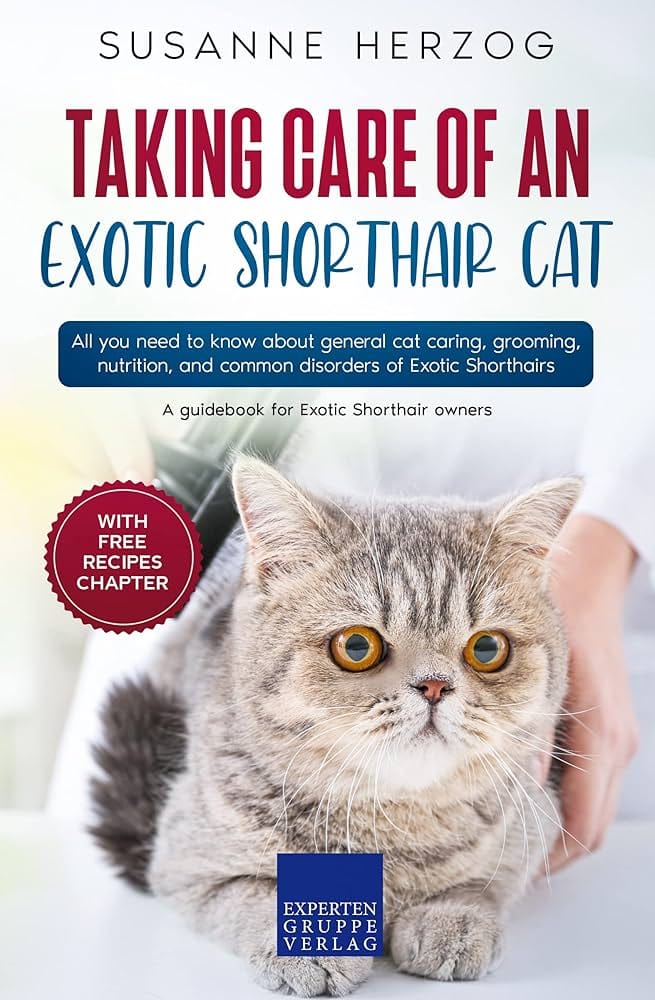
The Exotic Shorthair cat is a beloved breed, often described as a near-perfect replica of its long-haired counterpart, the Persian cat. The primary distinction lies in its coat: the Exotic Shorthair boasts a short, plush coat that significantly reduces grooming demands, earning it the endearing nickname “the lazy man’s Persian.” These charming felines typically stand 10–12 inches at the shoulder and weigh between 10–12 pounds. Their distinctive round faces and relaxed demeanor have even inspired beloved cartoon characters, most famously Garfield. Despite the nickname, Exotic Shorthairs are not inherently lazy; they are curious, playful, and deeply enjoy the company of their human families. They generally do not fare well when left alone for extended periods and tend to coexist peacefully with other pets. While their short coat is less prone to matting than a Persian’s, weekly brushing is still beneficial, especially during spring when shedding increases.
Health Considerations for Exotic Shorthairs
Developed in the 1950s through a cross between breeds like the American Shorthair or Burmese and the Persian, the Exotic Shorthair has an average lifespan of 8–15 years. They are susceptible to certain health conditions common in cats, as well as those associated with brachycephalic (short-faced) breeds. Fortunately, many of the inheritable disorders passed down from their Persian lineage can be managed or avoided, particularly when sourcing kittens from reputable breeders who screen for genetic conditions. For potential accidents and illnesses, considering pet insurance may be a good investment for Exotic Shorthair kittens.
Hydrocephalus
Kittens with extreme brachycephaly, a very short and flat facial structure, are at a higher risk for congenital hydrocephalus. This condition involves an abnormal accumulation of cerebrospinal fluid (CSF) within the brain’s cavities. While rare, it is more commonly observed in breeds like Siamese, Persian, and Manx, which places Exotic Shorthairs at a similar risk. Signs typically manifest within the first year of life and can include a dome-shaped head, stunted growth, loss of balance, head pressing, abnormal breathing, and failure to thrive. Medical management can provide temporary relief, but some cats may require lifelong therapy, and surgery is an option in specific cases.
Brachycephalic Airway Syndrome
The characteristic “smooshed” face and flat nose of the Exotic Shorthair, while endearing, can lead to significant breathing difficulties. Narrowed nostrils, an elongated soft palate, or an unusually small trachea can impede their ability to exercise and tolerate heat, particularly in overweight, senior, or allergic cats. Any instance of open-mouth breathing in your cat is a medical emergency requiring immediate veterinary attention.
Polycystic Kidney Disease (PKD)
PKD is a genetic kidney disease causing cysts to form within the kidneys, progressively impairing their function. Symptoms, which can appear as early as 6 months or more commonly around 7 years of age, include increased thirst and urination, decreased appetite, lethargy, and weight loss. Genetic testing can identify carriers, and responsible breeders will not breed affected cats. If you adopt an Exotic Shorthair, at-home DNA kits can help detect PKD before symptoms arise.
Obesity
All cats are prone to weight gain, but brachycephalic breeds like the Exotic Shorthair are at an increased risk of respiratory complications with even minor weight gain. Consulting your veterinarian to determine an appropriate daily calorie intake based on your cat’s age, health, and activity level is crucial for maintaining an ideal weight.
Nutrition for Exotic Shorthairs
As obligate carnivores, cats require a diet rich in animal proteins. Opt for commercially prepared cat foods that meet the nutritional standards set by the Association of American Feed Control Officials (AAFCO) for your cat’s specific life stage. Your veterinarian can assist in selecting the best cat food for your cat.
Feeding an Exotic Shorthair Kitten and Adult
Kittens require rapid growth and should be fed three to four meals daily, or utilize a free-feeding approach. However, to prevent weight gain in adulthood, it’s recommended to feed adult cats two or more small meals at set times. The amount to feed each cat varies based on lifestyle, age, and weight, with veterinary guidance being the most accurate.
Nutritional Support
A complete and balanced diet meeting AAFCO standards generally provides all necessary nutrients. However, as cats age or develop health issues, your vet might suggest dietary supplements. For instance, glucosamine supplements can aid older cats suffering from arthritis.
Behavior, Training, and Activities
Personality and Temperament
Exotic Shorthairs are known for being affectionate, playful, and devoted companions. They are typically patient with children, provided the children are taught to interact gently with pets. With proper introductions, they usually get along well with other friendly dogs and cats, benefiting from the companionship.
Behavioral Traits
While initially reserved with strangers, Exotic Shorthairs quickly become friendly and loyal once they form a bond. They thrive on companionship and do not enjoy being left alone for long periods. Unlike their more placid Persian ancestors, Exotic Shorthairs possess a lively spirit. They enjoy simple play, such as batting at toys or observing birds, though they are less inclined towards acrobatic feats.
Training Your Exotic Shorthair
Positive reinforcement methods, including praise, petting, and treats, are highly effective for training Exotic Shorthairs. This not only strengthens your bond but also helps them learn cues and tricks. Due to potential breathing and heat regulation issues, harness and leash training is generally not recommended for this breed.
Engaging Activities
- Playing with a variety of toys.
- Cuddling with their favorite people.
- Basking in sunbeams.
- Resting comfortably on their owner’s lap.
- Observing birds from a window.
- Relaxing in a comfortable cat bed.
Grooming an Exotic Shorthair
Skin and Coat Care
Exotic Shorthairs generally do not require specialized skin care. If your cat exhibits signs of itchiness or irritation, consult your veterinarian. To prevent parasites and skin issues, ensure your cat is up-to-date on year-round flea and tick preventatives, even if they are indoor-only. Their short, dense coat requires weekly brushing to maintain its condition, with more frequent attention needed during the spring shedding season.
Eye and Ear Care
This breed can experience watery or weepy eyes, potentially leading to tear stains. Gently cleaning the eye area with a warm, damp cloth can help. Redness or signs of discomfort warrant a veterinary visit to rule out infection. Their ears, being smaller and fluffier, are more prone to infections. Regular inspection and gentle cleaning are advised. Any unusual odor or discharge from the ears should be addressed by a veterinarian.
Considerations for Potential Owners
Exotic Shorthairs make wonderful pets, requiring less grooming than Persians but still needing regular attention. They are affectionate, playful, and thrive on companionship. With proper introductions, they can integrate well into households with children, seniors, and other pets.
Exotic Shorthair FAQs
How much does an Exotic Shorthair cat cost?
The price for an Exotic Shorthair kitten typically ranges from $750 to $1,000. Retired adult cats may be available at a lower cost. Adoption through breed-specific rescues is also a viable option.
Are Exotic Shorthair cats good pets?
Yes, Exotic Shorthairs make excellent pets for various households due to their affectionate, playful, and generally quiet nature. They are adaptable companions that can coexist with other well-mannered pets when introduced appropriately.
Do Exotic Shorthair cats like to be held?
Exotic Shorthairs are known for their affectionate disposition. While individual cats vary, many enjoy being held and may even become devoted lap cats. Learning how to properly pick up a cat can enhance this bonding experience.
