
The Exotic Shorthair cat is essentially a short-haired version of the beloved Persian cat. Often nicknamed “the lazy man’s Persian,” this breed requires significantly less coat maintenance compared to its long-haired counterpart. With their charmingly round faces, endearing smushed features, and generally amiable dispositions, Exotic Shorthairs make for delightful companions. They typically stand 10–12 inches at the shoulder and weigh between 10–12 pounds. Their easy-going nature and affectionate personalities have even inspired beloved cartoon characters, most notably the lasagna-loving Garfield. While they enjoy quiet days spent with their human families, they are also curious and playful, and generally prefer not to be left alone for extended periods. This breed also tends to coexist well with other pets when introduced properly. Despite their short coat, which is less prone to matting than that of a Persian, weekly brushing is still beneficial, especially during the spring when shedding increases.
Caring for Your Exotic Shorthair
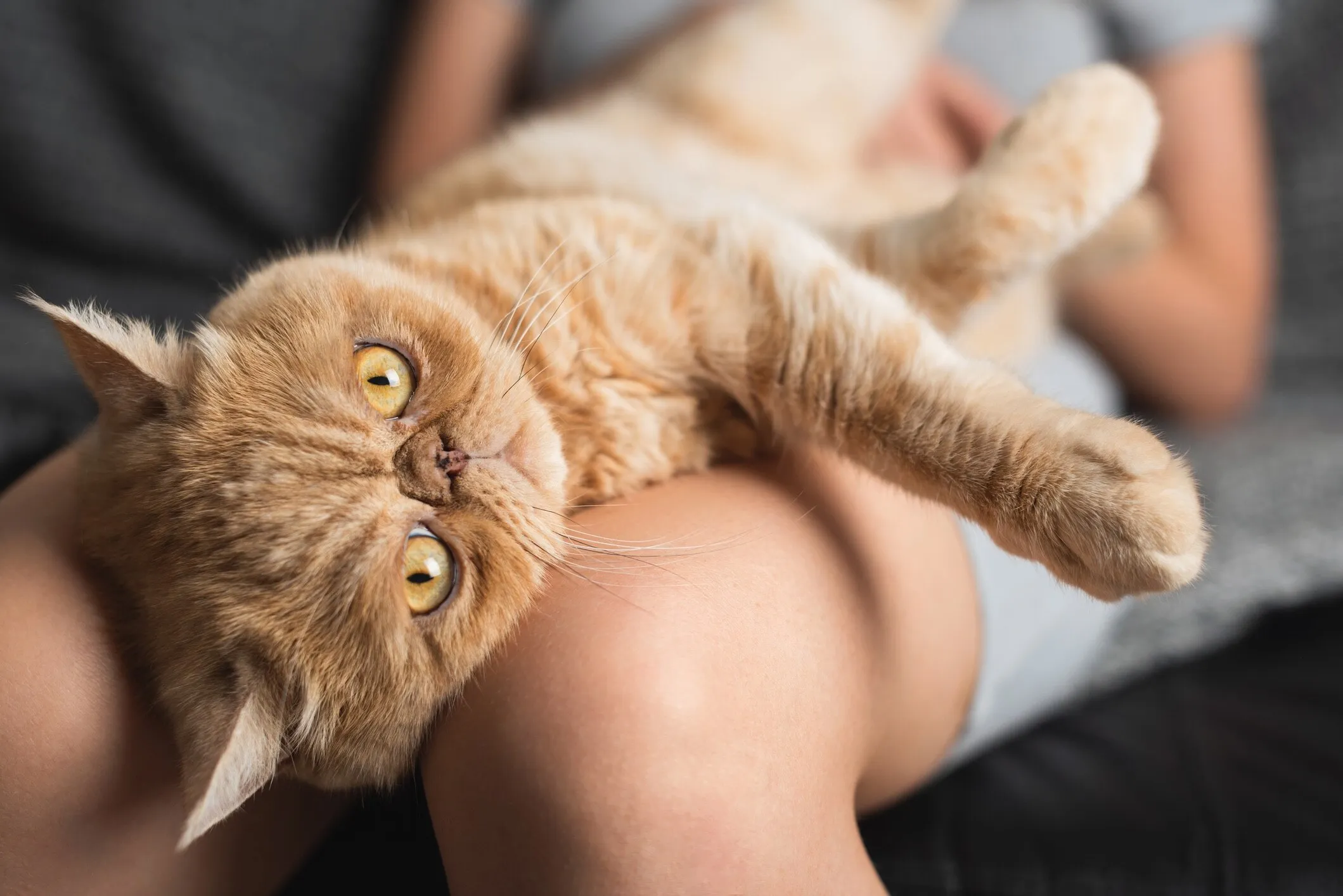 An orange Exotic Shorthair cat lying down
While the stereotype might suggest a breed that is exclusively lazy, Exotic Shorthairs are quite active and playful, enjoying interactive toys and engaging with their owners. Their social nature means they thrive on companionship and can experience distress if left alone for too long. Early socialization and proper introductions can help them integrate well into multi-pet households.
Health Considerations for Exotic Shorthairs
Exotic Shorthairs, developed in the 1950s through crosses between American Shorthairs or Burmese cats and Persians, typically have a lifespan of 8–15 years. They can be prone to certain health issues common in cats, as well as those specific to brachycephalic (short-faced) breeds. Reputable breeders prioritize genetic health by testing for inheritable disorders and will not breed cats that are carriers of these conditions. For potential accidents and illnesses, pet insurance may be a worthwhile investment for Exotic Shorthair owners.
Hydrocephalus
Kittens with extreme brachycephaly, characterized by a very short and flat face, are susceptible to congenital hydrocephalus. This condition involves an abnormal accumulation of cerebrospinal fluid (CSF) in the brain’s cavities. While rare, it is more commonly observed in breeds like Siamese, Persian, and Manx cats, placing Exotic Shorthairs at a higher risk. Signs typically appear within the first year of life and can include a dome-shaped head, small stature, loss of balance, head pressing, abnormal breathing, and failure to thrive. Medical management can provide temporary relief, but many cats require lifelong therapy, and surgical intervention may be an option in some cases.
Brachycephalic Airway Syndrome
The characteristic “smooshed” face and flat nose of Exotic Shorthairs, a result of brachycephaly, can lead to significant breathing difficulties. Conditions such as stenotic (narrowed) nostrils, an elongated soft palate, or an abnormally small trachea can restrict airflow, making it difficult for them to exercise or tolerate heat. This is particularly true for overweight, senior, or allergic cats. If your cat is breathing with its mouth open, seek immediate veterinary attention as this is a medical emergency.
Polycystic Kidney Disease (PKD)
PKD is an inherited kidney disease where cysts form in the kidneys, progressively damaging them and impairing their function. Symptoms can manifest as early as 6 months old, but are more commonly seen in cats around 7 years of age. These symptoms include increased thirst and urination, reduced appetite, vomiting, lethargy, and weight loss. Genetic testing is available to identify carriers, and cats with the PKD gene should not be bred. If you’ve adopted an Exotic Shorthair, at-home DNA kits can help detect PKD before symptoms arise.
Obesity
All cats are prone to weight gain, but brachycephalic breeds like the Exotic Shorthair face amplified risks of breathing problems with even a few extra pounds. To maintain an ideal weight, consult your veterinarian to establish a recommended daily calorie intake based on your cat’s age, health status, and activity level.
Feeding Your Exotic Shorthair
As obligate carnivores, cats require a diet rich in animal proteins. Opt for commercial cat foods that meet the nutritional standards set by the Association of American Feed Control Officials (AAFCO) for your cat’s specific life stage. Collaborating with your veterinarian is crucial for selecting the best cat food for your cat.
Feeding Schedule
Exotic Shorthair kittens require frequent meals, typically three to four times a day, to support their rapid growth. Free-feeding, where food is always available, is an option for kittens. However, as they mature into adulthood, free-feeding can contribute to weight gain. Adult Exotic Shorthairs generally do best with two or more small meals served at set times each day.
Portion Control
The amount of food your cat needs varies based on their lifestyle, age, and current weight. While pet food packaging offers feeding guidelines based on weight, your veterinarian can provide the most accurate recommendations tailored to your individual cat’s requirements.
Nutritional Support
A high-quality, balanced diet that meets AAFCO standards should provide all the necessary nutrients for a healthy Exotic Shorthair. In some cases, such as with aging cats or those with specific health conditions, your vet may recommend dietary supplements. For instance, joint supplements containing glucosamine can be beneficial for older cats experiencing arthritis.
Behavior and Training
Personality and Temperament
Exotic Shorthairs are known for being affectionate, playful, and deeply attached to their human families. They generally possess patient temperaments and tend to interact well with children, provided the children are taught to handle pets gently. They also usually get along with other well-behaved dogs and cats, often relishing the companionship.
Behavioral Traits
While typically outgoing with familiar individuals, Exotic Shorthairs might be initially reserved around strangers. However, their loyalty and friendly nature become apparent as they warm up to new people. They prefer being close to their families and do not fare well when left alone for long periods. Unlike their more sedentary Persian ancestors, Exotic Shorthairs exhibit a livelier spirit, enjoying simple games like batting at toy mice or watching birds, though they tend to avoid highly acrobatic feats.
Training an Exotic Shorthair
Positive reinforcement methods, such as praise, petting, and treats, are highly effective for training Exotic Shorthairs. Training not only strengthens the bond between owner and pet but also helps the cat learn desirable behaviors and tricks. Due to their potential breathing and heat regulation issues, harness and leash training is generally not recommended for this breed.
Engaging Activities
- Playing with a variety of toys such as felt balls or feather wands.
- Cuddling and spending quiet time with their owners.
- Basking in sunny spots.
- Resting comfortably on their human’s lap.
- Observing birds through a window.
- Relaxing in a cozy cat bed.
Grooming Your Exotic Shorthair
Exotic Shorthairs possess a dense, plush coat that contributes to their robust appearance. While they don’t require the intensive grooming of Persians, they still need regular attention. Their fur comes in a wide array of patterns and colors.
Skin Care
Generally, Exotic Shorthairs do not require special skin care routines or frequent baths. If your cat exhibits signs of skin irritation, such as itchiness or redness, a veterinary check-up is advised. To prevent skin issues and protect against parasites, ensure your cat remains on year-round flea and tick preventative medication, even if they are strictly indoor cats.
Coat Care
The Exotic Shorthair’s coat is short, dense, and less prone to matting or excessive shedding compared to their Persian relatives. Weekly brushing is usually sufficient to maintain coat health. However, increased brushing frequency may be necessary during the spring shedding season.
Eye Care
Exotic Shorthairs can have green, yellow, or blue eyes. They may experience watery or weepy eyes, which can lead to tear stains. Gently cleaning the eye area with a soft cloth dampened with warm water can help manage this. If you notice signs of discomfort, redness, or discharge, consult your veterinarian to rule out any potential eye infections.
Ear Care
Similar to Persians, Exotic Shorthairs can have smaller, fluffier ears that are more susceptible to infections. Regular inspection of their ears is part of the grooming routine. If ears become dirty, clean them carefully. Any persistent odor or discharge warrants a veterinary visit.
Considerations for Prospective Owners
Exotic Shorthairs are wonderful pets, requiring significantly less grooming than their Persian ancestors. However, they are not entirely “hands-off” pets. They are affectionate and playful, thriving on interaction and companionship. With proper introductions, they can adapt well to homes with children, other pets, and seniors.
Frequently Asked Questions about Exotic Shorthairs
What is the cost of an Exotic Shorthair cat?
The price for an Exotic Shorthair kitten typically ranges from $750 to $1,000. Occasionally, retired adult breeding cats may be available at a lower cost. Adoption from rescue organizations specializing in Persian or Exotic Shorthair breeds is also a viable option.
Are Exotic Shorthair cats good pets?
Exotic Shorthairs make excellent pets for various household types, including both calm and active environments. Their affectionate, playful, and generally quiet nature makes them suitable companions for almost anyone. They can also coexist with well-behaved cats and dogs when introduced appropriately.
Do Exotic Shorthair cats enjoy being held?
Exotic Shorthairs are generally affectionate cats. While individual personalities vary, many of them appreciate being held and may even become devoted lap cats. Learning how to properly pick up your cat can ensure a positive experience for both you and your feline friend.
