
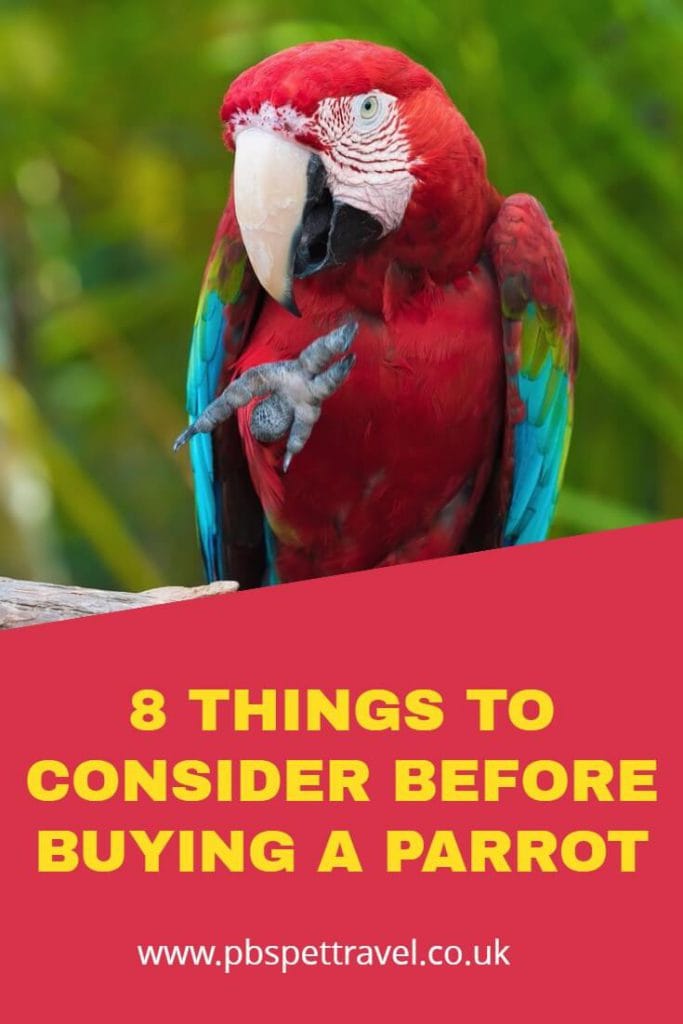
Bringing a parrot into your home is a significant decision, one that requires careful consideration of the bird’s complex needs and your capacity to meet them. This guide delves into the nuances of parrot ownership, emphasizing responsible acquisition and care to ensure the well-being of these intelligent creatures. We will explore the importance of understanding their behavior, the commitment involved, and how to identify suitable homes for parrots, drawing parallels from observations in a pet store environment.
The initial encounter with potential parrot owners often reveals their level of preparedness and understanding. In a pet store setting, one might observe individuals interacting with parrots for sale. A young woman, positioned at a respectful distance and speaking quietly, demonstrated an intuitive understanding of the predator-prey dynamic with a cherry-headed conure. Her approach, marked by level eye contact and a non-threatening stance, elicited a comfortable and engaged response from the bird. This reflects an awareness of the bird as a sensitive prey animal, necessitating a calm and deliberate interaction. This is crucial for any new owner, as building trust is paramount when introducing a new pet.
Contrastingly, an older woman with a toddler, exhibiting forceful and discourteous behavior, showed a lack of awareness of the parrot’s needs. Her loud demeanor and intrusive approach caused the eclectus parrot to retreat, displaying signs of tension. Her conversation with her companion, focusing on the ease of cage-bound pets and décor matching, highlighted a superficial understanding of parrot ownership. This perspective overlooks the intricate social and emotional requirements of these birds, suggesting a potential for impulse buying without fully grasping the responsibilities involved. It is vital for prospective owners to recognize that parrots, like many pets, thrive on interaction and require significant out-of-cage time for their mental and physical health.
The Commitment of Parrot Ownership
Parrots are not simply decorative additions to a home; they are intelligent, social beings with intricate needs that demand a substantial commitment. Responsible owners understand that these birds require more than just basic sustenance and a cage. They need ample opportunities for out-of-cage time, consistent human interaction, and mental stimulation to prevent behavioral issues such as biting, screaming, feather destruction, and self-mutilation. The initial cost of acquiring a parrot is only the beginning; ongoing expenses for specialized food, veterinary care, and a spacious, enriching environment can be considerable.
Prospective owners should be prepared for the realities of parrot ownership: they are beautiful, intelligent, and fun, but also loud, messy, and potentially destructive. Ignoring their need for good mental health can lead to serious emotional and behavioral problems, impacting both the bird and the owner. This understanding is crucial for preventing the cycle of rehoming that many parrots unfortunately experience due to unprepared owners. For those considering adding a parrot to their family, it is essential to conduct thorough research and honestly assess one’s lifestyle and ability to provide the necessary care and attention.
Assessing Suitability and Responsible Acquisition
When encountering individuals interested in parrots, it is our responsibility as experienced owners to guide them toward informed decisions. The younger woman in the pet store, despite her clear affinity for the conure, wisely recognized she wasn’t ready for the commitment, demonstrating a mature and responsible approach. This self-awareness is a hallmark of a potential good owner. Her thoughtful consideration, in contrast to the other woman’s impulsive desire to match drapes, underscores the importance of educating potential buyers about the long-term implications of parrot ownership.
We must actively promote a realistic understanding of what it means to own a parrot. This involves highlighting not only the joys but also the challenges: the noise, the mess, the cost, and the significant time investment. By sharing accurate information and encouraging thoughtful consideration, we can help prevent unsuitable acquisitions that may lead to a parrot’s neglect or rehoming. Our mission should be to help people understand parrot needs, or to understand when they are unable to meet them. This proactive approach ensures that parrots are placed in environments where they can truly thrive and live fulfilling lives.
Choosing the right bird for your lifestyle is also a critical aspect of responsible pet ownership. While this article focuses on parrots, the principles of understanding a species’ needs apply broadly. For instance, if you are interested in smaller avian companions, researching best small birds for pets can help you find a species that aligns with your living situation and time availability. Similarly, exploring specific types like conures as pets can provide deeper insights into their unique care requirements. Understanding the specific needs of any bird, whether it’s a vibrant blue parrot bird or cheerful yellow pet birds, is key to providing a happy and healthy environment. If you are looking for readily available options, resources like live parakeets for sale near me can be a starting point, but always remember to prioritize thorough research into the specific needs of any bird you consider bringing home.
In conclusion, responsible parrot ownership begins with education and a realistic self-assessment. By understanding the commitment involved and prioritizing the bird’s well-being over impulse decisions, we can ensure that these magnificent creatures find loving and permanent homes. Let us strive to be advocates for parrots, guiding potential owners with honesty and compassion, and ensuring that every bird enters a home where it will be cherished and well-cared for throughout its long life.
