
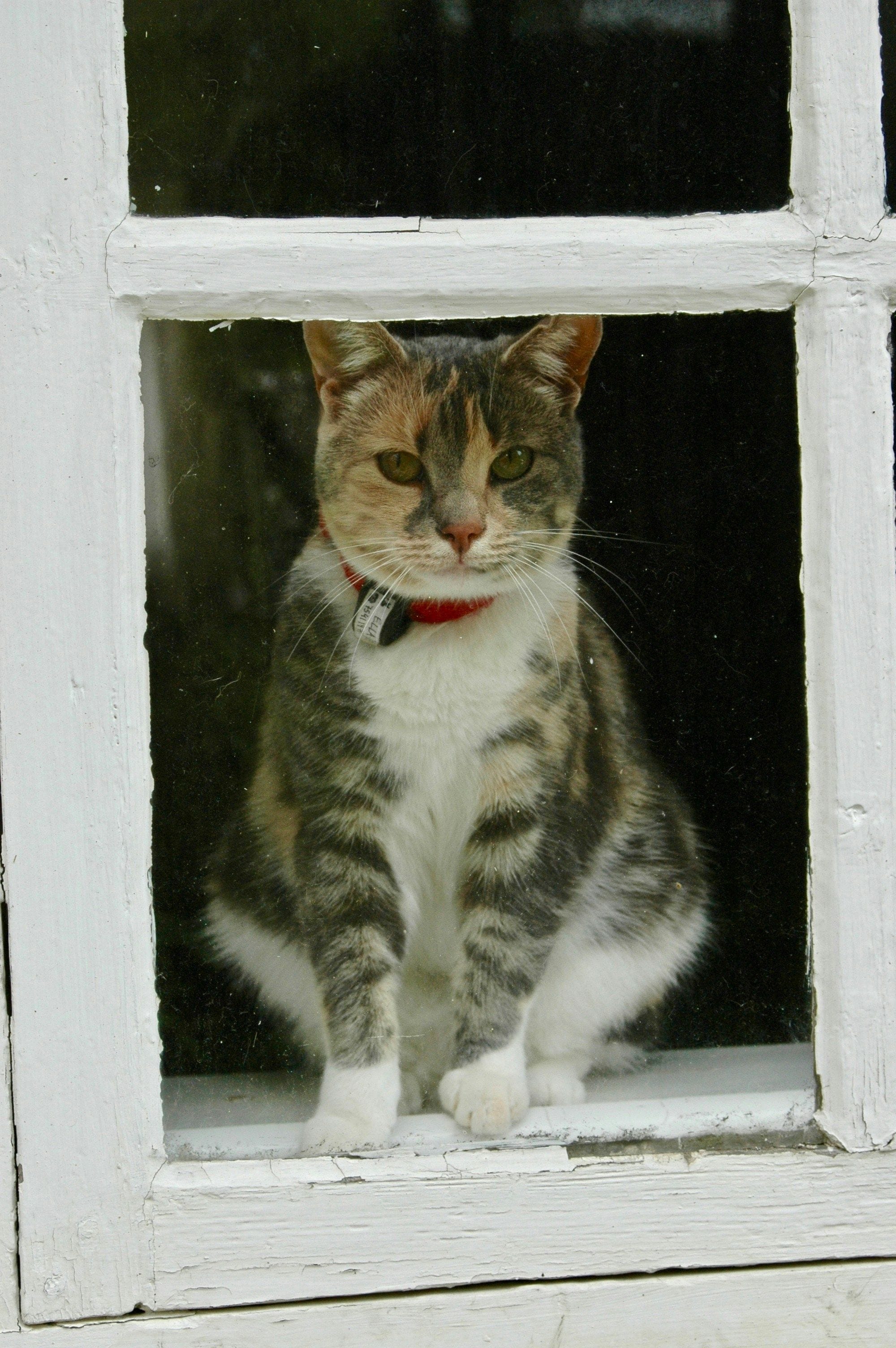
The European Shorthair, one of Europe’s most ancient cat breeds, originated as a skilled mouser among the continent’s early settlers. While not extensively bred in their native Europe, these cats remain a rare and elusive presence in the United States. Known for their robust health and amiable temperament, European Shorthairs make excellent companions, embodying the finest qualities of domestic felines. This guide delves into their characteristics, health, nutrition, behavior, and grooming needs, offering insights for both prospective and current owners.
Understanding the European Shorthair
European Shorthairs are medium-sized cats, typically weighing between 12–15 pounds and standing 9–11 inches tall at the shoulder. They are also referred to as Celtic Shorthairs by the World Cat Federation. Despite their heritage, they are not widely recognized as distinct breeds by many cat associations in the United States. The International Cat Association (TICA) classifies them as a registration-only breed, a designation often reserved for developing breeds.
Temperament and Personality
These cats are celebrated for their friendly disposition, making them suitable for households with individuals of all ages. They are playful, possess a natural instinct for pest control, and are generally considered ideal pets for first-time cat owners. European Shorthairs thrive on companionship and can form strong bonds with their human families. Early socialization is beneficial, helping them to develop into well-adjusted and confident adult cats.
Health and Lifespan
As a natural breed, the European Shorthair developed without human-directed selective breeding, contributing to their remarkable longevity and general good health. They typically enjoy a lifespan of 15–20 years, exceeding the average for domestic cats. While not predisposed to specific genetic diseases, they are susceptible to common feline ailments.
Common Health Concerns
- Dental Disease: Bad breath, difficulty eating, or excessive drooling can indicate dental issues. The Cornell Feline Health Center suggests that a significant percentage of cats over four years old develop some form of dental disease. Regular veterinary check-ups are crucial for early detection and professional cleaning. Daily teeth brushing with cat-specific toothpaste and a dedicated toothbrush, along with veterinarian-approved dental treats, can significantly contribute to oral hygiene. Look for treats with Veterinary Oral Health Council (VOHC) approval for proven effectiveness in reducing plaque and tartar.
- Obesity: Overweight cats are prone to serious health problems such as diabetes, arthritis, and heart disease, which can shorten their lifespan. Maintaining a healthy weight involves regular veterinary visits, a balanced diet, consistent feeding schedules with measured portions, and daily interactive play sessions. Treats should constitute no more than 10% of a cat’s daily caloric intake. Low-calorie options like freeze-dried meat can be beneficial.
Nutrition for European Shorthairs
Complete and balanced commercial cat food that meets the nutritional standards set by the Association of American Feed Control Officials (AAFCO) is essential for European Shorthairs. Ensure the food is appropriate for the cat’s life stage (kitten, adult, or senior). Consulting with a veterinarian is the best way to determine the most suitable food and portion size, taking into account the cat’s age, lifestyle, health, and weight goals.
Feeding Guidelines
Kittens require several meals daily, while adult cats can transition to fewer feedings. However, European Shorthairs’ strong hunting instincts mean they often do well with small, frequent meals. Utilizing food puzzles, lick mats, or varying feeding locations can encourage natural foraging behaviors and mental stimulation.
Nutritional Supplements
Before introducing any supplements, such as fish oil for joint health or skin allergies, consult your veterinarian. While a balanced diet should provide all necessary nutrients, your vet may recommend specific supplements to address particular health concerns.
Behavior and Training
European Shorthairs are known for their playful and engaging nature. They are natural hunters and enjoy activities such as chasing feather wands, stalking toy mice, and climbing cat trees. Interactive play sessions, ideally two 15-minute sessions per day, are important for their physical and mental well-being. Providing a variety of toys and climbing structures can prevent boredom, which may lead to undesirable behaviors like excessive vocalization or furniture scratching.
Training and Activities
These cats are intelligent and can learn new tricks through positive reinforcement. Rewarding desired behaviors with praise, treats, or play is an effective training method. Consistency is key when discouraging unwanted behaviors and encouraging good ones.
Engaging activities for European Shorthairs include:
- Playing fetch
- Sunbathing on window perches
- Leash and harness walking
- Birdwatching from a safe enclosure (catio)
- Using puzzle toys
- Enjoying petting and cuddling
- Interacting with children and other pets (with proper introductions)
Grooming a European Shorthair
The European Shorthair’s sleek, short coat is relatively low-maintenance. They are moderate shedders and typically groom themselves meticulously.
Coat and Skin Care
Weekly brushing helps remove loose fur and maintain coat health. Special skin care is usually not required unless signs of irritation are observed, in which case a veterinary consultation is recommended.
Eye and Ear Care
Their eyes generally do not require special care unless discharge or irritation is present. Similarly, while not typically prone to ear infections, any signs such as pawing at the ears, head shaking, or foul odor warrant a vet visit.
Nail Trimming
Regular nail trims are necessary to prevent overgrowth and potential issues.
Dental Hygiene
Daily brushing of teeth is the most effective way to prevent plaque and tartar buildup, significantly reducing the risk of dental disease.
Considerations for Owners
European Shorthairs are affectionate, easygoing cats that form strong bonds with their families. Their playful nature and adaptability make them suitable for various living situations. Due to their rarity in the U.S., finding a breeder may require some research. Ensuring you have all the necessary supplies before welcoming a new cat or kitten home will facilitate a smoother transition.
Frequently Asked Questions
- Are European Shorthair cats cuddly? Yes, they can be very cuddly. While individual personalities vary, their bred-for-companionship nature means they often enjoy human company and affection.
- Is a European Shorthair a tabby cat? Tabby refers to a coat pattern, not a breed. While not all European Shorthairs display tabby markings, some do, featuring stripes, swirls, or spots in various colors.
- Do European Shorthairs shed? They are moderate shedders. Weekly brushing is usually sufficient to manage shedding and keep their coat in good condition.
