
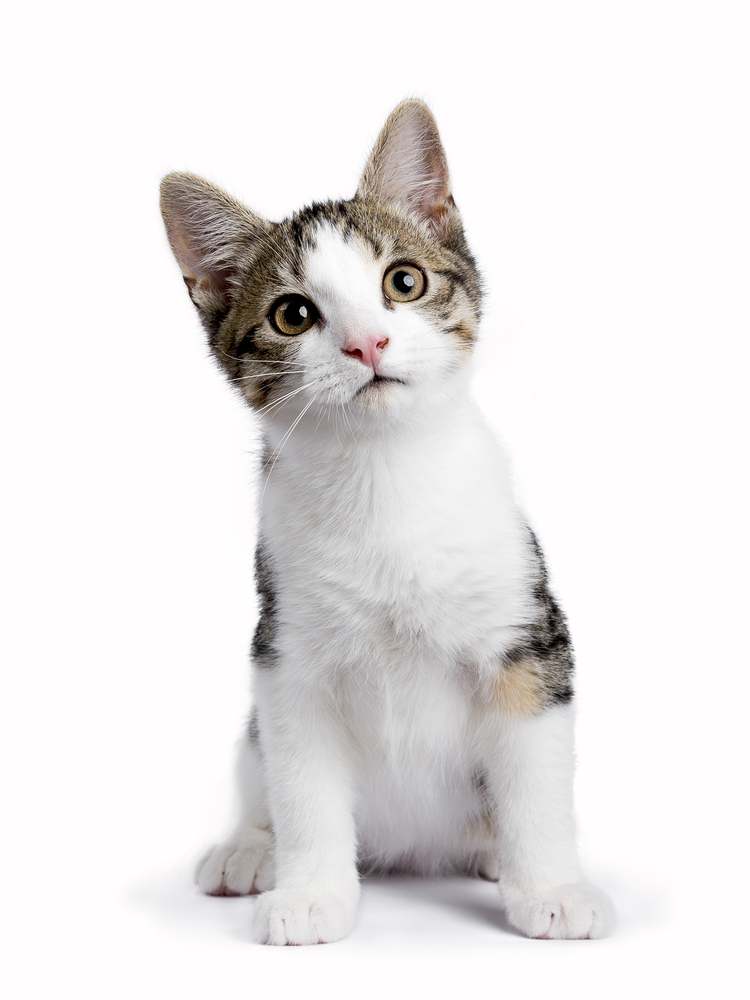
The European Shorthair, one of the oldest cat breeds originating from Europe’s skilled mouse hunters, is a delightful companion known for its friendly nature and robust health. While not as commonly found in the U.S. as in its native continent, this breed embodies the quintessential qualities of a domestic cat, making it an excellent choice for both experienced and first-time cat owners. This guide delves into the specifics of caring for a European Shorthair, covering their health, diet, behavior, and grooming needs.
Understanding the European Shorthair
Recognized by organizations like the World Cat Federation as the Celtic Shorthair, the European Shorthair is a medium-sized cat, typically weighing between 12 to 15 pounds and standing 9 to 11 inches tall at the shoulder. Despite its long history, it is not yet universally recognized as a distinct breed by all major cat associations in the United States, often being classified as a registration-only breed by TICA, indicating it’s still under development in some registries.
The breed is celebrated for its amiable disposition, making them friendly towards people of all ages. Their playful spirit and natural instinct to keep their territory free of rodents make them highly adaptable and cherished companions.
Health and Lifespan
European Shorthairs are a natural breed, developed over centuries without human-directed selective breeding. This natural heritage contributes to their impressive lifespan, often ranging from 15 to 20 years, which is longer than the average cat lifespan. They are generally known for their robust health and are not typically prone to specific genetic diseases. However, like all cats, they can develop common feline ailments. Considering pet insurance for your European Shorthair kitten can provide a financial safety net for unexpected veterinary expenses as they mature.
Common Health Concerns
Dental Disease: Signs such as bad breath, excessive drooling, dropping food, or pawing at the mouth may indicate dental disease. This condition is prevalent in cats, with estimates suggesting 50% to 90% of cats over four years old are affected. Regular veterinary checkups are essential for early detection and intervention. Professional dental cleanings under anesthesia, as recommended by your vet, are crucial. Daily brushing your European Shorthair’s teeth with a cat-specific toothbrush and toothpaste is the most effective preventive measure. Additionally, incorporating VOHC-approved dental treats with a crunchy texture can help reduce plaque and tartar buildup.
Obesity: Obesity is a widespread issue across all cat breeds and can lead to severe health problems like diabetes, arthritis, and heart disease, significantly shortening a cat’s life. Maintaining a healthy weight range involves regular vet visits, feeding a complete and balanced diet, adhering to a consistent feeding schedule with portion control, and ensuring daily interactive play sessions. While cat treats can be beneficial for training and bonding, they should not exceed 10% of the cat’s daily caloric intake. Low-calorie options, such as freeze-dried meat treats, can satisfy your cat without contributing to excess weight gain.
Nutrition for European Shorthairs
European Shorthairs thrive on a complete and balanced commercial cat food that meets the nutritional standards set by the Association of American Feed Control Officials (AAFCO). Look for packaging that clearly states the food is “complete and balanced.” It’s vital to select food appropriate for your cat’s life stage, whether it’s kitten, adult, or senior formula. Consulting your veterinarian for a recommendation on the best food for your cat is always advisable.
Feeding Habits
Kittens require multiple meals daily. As they transition into adulthood around one year old, the frequency of meals can decrease. However, European Shorthairs, with their strong hunting instincts, often do well with small, frequent meals throughout the day. Engaging their natural behaviors with food puzzles, lick mats, or by varying their feeding locations can enhance their mealtime experience.
Portion Control
The feeding guidelines on pet food packaging serve as a useful starting point for determining portion sizes. However, to accurately determine how much to feed your cat, considering their age, lifestyle, health status, current weight, and ideal weight, a discussion with your veterinarian is essential.
Nutritional Supplements
Before introducing any supplements to your cat’s diet, always consult your veterinarian. While a high-quality cat food should provide all necessary nutrients, your vet may recommend specific supplements for particular health concerns, such as fish oil for joint health, heart conditions, or skin allergies.
Behavior, Temperament, and Training
European Shorthairs are known for their easygoing and friendly temperament. They enjoy human companionship and generally coexist well with other pets and children, provided they are properly introduced and socialized from a young age. Early socialization of kittens is key to developing their full potential.
Playfulness and Activity
These cats are natural hunters who love to play. They are easily entertained by feathered wands, toy mice, and climbing structures like cat trees. After bouts of play, typically two 15-minute interactive sessions daily, they enjoy curling up for a nap. A bored European Shorthair might resort to behaviors like excessive meowing or destructive scratching.
Training a European Shorthair
European Shorthairs are intelligent and enjoy learning new things, whether it’s fetching a toy or responding to their name. Positive reinforcement, using praise, treats, or play as rewards for desired behaviors, is the most effective training method. Consistency is crucial. This approach can also be used to discourage unwanted behaviors, such as jumping on countertops.
Engaging Activities
Enriching activities for your European Shorthair include playing fetch, sunbathing on a window perch, walking on a harness and leash, birdwatching from a catio, using puzzle toys, receiving pets, cuddling with family or other pets, and engaging in play with children.
Grooming a European Shorthair
The sleek, short coat of the European Shorthair is relatively low-maintenance. While they are meticulous self-groomers, they benefit from regular care from their owners.
Coat and Skin Care
European Shorthairs generally do not require specialized skin care. However, if you notice any signs of skin irritation, such as redness, flakiness, or bald spots, consult your veterinarian. Weekly brushing helps to remove loose fur and manage shedding, as they are moderate shedders.
Eye and Ear Care
Their round eyes typically do not need special care, but any unusual discharge, swelling, or irritation warrants a veterinary visit. Their rounded, sometimes tufted ears are not typically prone to infections, but if your cat exhibits ear-pawing, head shaking, or a foul odor, seek veterinary advice.
Nail and Dental Care
Regular nail trimming is necessary to prevent overgrowth. Daily dental care through brushing is vital to prevent plaque and tartar buildup, which can lead to dental disease.
For Prospective Pet Parents
European Shorthairs are affectionate and easygoing cats that form strong bonds with their families. Their playful nature and adaptability make them excellent house pets and companions. Due to their limited breeding in the U.S., finding a breeder may require some research. Before bringing a European Shorthair home, ensure you have all the necessary supplies, using a new kitten checklist can be a helpful starting point.
Frequently Asked Questions
Are European Shorthair cats cuddly?
Yes, European Shorthairs can be very cuddly. They are bred to be companionable and generally enjoy human interaction. Individual personalities vary, but with proper socialization and a loving environment, they can become affectionate cuddle buddies.
Is a European Shorthair a tabby cat?
“Tabby” refers to a coat pattern, not a breed. While not all European Shorthairs are tabbies, some do exhibit tabby markings, which can include stripes, swirls, or spots in various colors.
Do European Shorthairs shed?
European Shorthairs are moderate shedders. Regular weekly brushing is usually sufficient to manage their shedding and maintain a healthy coat.
