
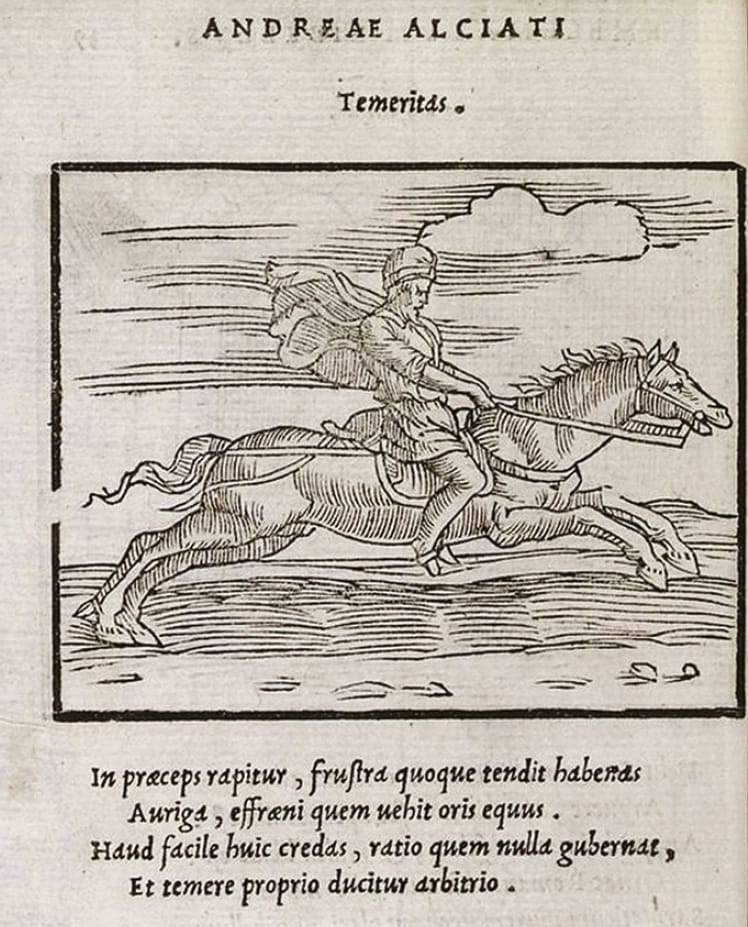
The horse, a creature of profound historical and cultural significance, has galloped alongside humanity for millennia, shaping civilizations, driving economies, and forging deep emotional bonds. The narrative of the horse is not merely a tale of domestication; it’s an epic saga of partnership, power, and unparalleled grace. From their wild origins to their integral role in human progress, the story of the horse is one of continuous evolution and enduring connection. Their majestic presence, symbolized by strength and freedom, continues to captivate and inspire us.
The Ancient Roots and Wild Beginnings
The journey of the horse begins not in stables, but on the vast, open plains of prehistoric Eurasia. Fossil evidence suggests that the earliest ancestors of modern horses were small, multi-toed creatures, a far cry from the sleek, powerful animals we recognize today. Over millions of years, through a remarkable process of natural selection, these ancient equids evolved. Their limbs lengthened, their teeth adapted for grazing on tough grasses, and they developed the speed and stamina necessary to evade predators. These wild herds, roaming freely across continents, represented a pinnacle of natural engineering – perfectly adapted to their environments. This era of wild existence laid the foundation for the incredible adaptability and resilience that would later define the domesticated horse.
From Wild Herds to Early Domestication
The transition from wild animal to invaluable partner was a gradual, complex process that likely began around 6,000 years ago in the Pontic-Caspian steppe. Early human populations, possibly driven by a need for meat and milk, began to interact with and eventually manage these wild herds. The exact moment of true domestication is debated, but it’s clear that the ability to control and utilize horses fundamentally altered the course of human history. This wasn’t just about acquiring a food source; it was about harnessing a powerful force of nature. The domestication of the horse unlocked new possibilities for transportation, warfare, and agriculture, setting in motion a chain of events that would connect disparate cultures and accelerate human development. It marked the beginning of an extraordinary symbiosis.
The Horse’s Impact on Human Civilization
The domestication of the horse was a turning point, unleashing a wave of transformative changes across the globe. Its impact rippled through every facet of human society, from the battlefield to the farm, and from the merchant’s trade route to the royal court.
Warfare and Conquest
Perhaps one of the most immediate and dramatic impacts of the horse was on warfare. The introduction of cavalry revolutionized military strategy. Mounted warriors possessed speed, mobility, and a commanding advantage over infantry. Empires rose and fell on the strength of their horse-mounted armies. The Hittites, the Scythians, the Mongols – vast swathes of history were written by conquerors who mastered the use of the horse in battle. This era saw the horse become a symbol of power, dominance, and military might, shaping the geopolitical landscape for centuries.
Transportation and Trade
Beyond the battlefield, the horse became the engine of trade and cultural exchange. Before the advent of mechanical transport, horses were the fastest means of moving goods and people across land. Trade routes like the Silk Road, though arduous, were made viable by the endurance of horses and their ability to carry heavy loads over vast distances. This facilitated the spread of ideas, technologies, religions, and innovations, knitting together diverse societies into a more interconnected world. The horse, in essence, was the original long-haul transport, shrinking the world and fostering unprecedented levels of interaction.
Agriculture and Labor
The horse also played a crucial role in the development of agriculture. As farming techniques advanced, the power of the horse was harnessed to plow fields, sow seeds, and transport harvests. This dramatically increased agricultural output, supporting larger populations and enabling the growth of settled communities and eventually, cities. The horse became an indispensable agricultural partner, its strength and tireless work ethic contributing directly to human sustenance and prosperity. This partnership in the fields underscored the horse’s versatility and its fundamental contribution to the rise of civilization.
Breeds and Diversity: A Spectrum of Equine Excellence
The world of horses is a vibrant tapestry woven from hundreds of distinct breeds, each developed over centuries to suit specific human needs and environments. From the powerful draft horses bred for heavy labor to the nimble breeds favored for racing and sport, this diversity is a testament to the horse’s adaptability and the ingenuity of selective breeding.
Powerful Draft Horses
At one end of the spectrum are the magnificent draft breeds, such as the Clydesdale, Shire, and Belgian. Bred for immense strength and steady temperament, these horses were the workhorses of the industrial revolution and traditional farming. Their massive frames, powerful musculature, and calm disposition made them ideal for pulling heavy plows, logging timber, and hauling enormous loads. They are living embodiments of equine power and endurance, their gentle giants often possessing surprisingly docile natures.
Swift Racing and Sport Horses
In stark contrast are the breeds celebrated for speed and agility, like the Thoroughbred, Arabian, and Quarter Horse. The Thoroughbred, a cornerstone of modern horse racing, is bred for explosive speed and stamina over moderate distances. The Arabian, one of the oldest breeds, is renowned for its endurance, intelligence, and distinctive beauty, excelling in long-distance riding and endurance sports. The American Quarter Horse, as its name suggests, is famed for its incredible sprinting ability over a quarter-mile and its versatility in Western riding disciplines. These breeds represent the pinnacle of equine athleticism and grace.
Unique and Specialized Breeds
Beyond these broad categories lies a fascinating array of specialized breeds. The Icelandic horse, known for its unique gaits (like the tölt), is perfectly adapted to its rugged homeland. The sturdy Connemara Pony, originating from Ireland, is prized for its resilience, athleticism, and gentle nature, making it a popular choice for children and adults alike. Each breed, whether large or small, common or rare, tells a story of adaptation, purpose, and the enduring relationship between humans and horses. This vast diversity ensures that there is a horse suited for nearly every imaginable task and partnership.
Caring for Your Equine Companion: Health, Nutrition, and Training
The bond between humans and horses is deeply rewarding, but it also comes with significant responsibilities. Providing proper care is paramount to ensuring a horse’s health, happiness, and longevity. This encompasses a comprehensive approach to nutrition, healthcare, and training, all tailored to the individual needs of the animal.
Equine Nutrition: Fueling Performance and Health
A balanced diet is the cornerstone of good equine health. This typically involves high-quality forage (hay or pasture) as the primary component, providing essential fiber for digestive health. Grains and commercial feeds are often used to supplement energy and nutrient needs, particularly for horses in work, growth, or gestation. However, overfeeding, especially carbohydrates, can lead to health issues like colic and laminitis. Access to fresh, clean water at all times is non-negotiable. Regular consultation with a veterinarian or equine nutritionist is crucial to develop a feeding program that matches the horse’s age, breed, workload, and any specific health conditions.
Veterinary Care and Preventative Health
Regular veterinary check-ups are vital for maintaining a horse’s well-being. These visits typically include vaccinations against common diseases, deworming protocols to manage internal parasites, and dental care. Dental issues, such as sharp enamel points or misaligned teeth, can significantly impact a horse’s ability to eat, leading to weight loss and nutritional deficiencies. Furthermore, prompt attention to injuries or signs of illness is critical. Recognizing early symptoms of colic, respiratory infections, or lameness can make the difference between a minor issue and a serious health crisis.
Training and Behavioral Understanding
Training a horse is a journey that requires patience, consistency, and a deep understanding of equine behavior. Positive reinforcement methods, focusing on clear communication and rewarding desired actions, are generally the most effective and humane. Early handling and socialization are important for young horses, building trust and familiarity with human interaction. Understanding a horse’s natural instincts – such as their prey animal responses and herd mentality – is key to effective training and management. Whether for riding, work, or companionship, a well-trained horse is a safer, more responsive, and happier partner. This often involves understanding and respecting their communication signals.
The Enduring Human-Equine Bond
The story of the horse is inextricably linked with the story of humanity. For thousands of years, these magnificent animals have been more than just tools or modes of transport; they have been companions, partners, and sources of profound emotional connection. This unique bond has inspired art, literature, and countless personal anecdotes, reflecting a relationship built on mutual respect, trust, and shared experiences.
Horses in Modern Society: Beyond Work and Sport
While horses still play vital roles in sport, recreation, and some agricultural settings, their importance has evolved. Equine-assisted therapy programs demonstrate the profound healing potential of the human-horse connection, offering therapeutic benefits for individuals with physical, emotional, and cognitive challenges. The simple act of grooming or spending time with a horse can have a calming and grounding effect, reducing stress and promoting emotional well-being. This highlights a deeper, more intrinsic value that horses bring to human lives.
The Future of the Horse Story
As we look to the future, the narrative of the horse continues to unfold. Advances in veterinary science and equine management promise even healthier and longer lives for our equine partners. The burgeoning field of equine-assisted therapies further cements their role in human well-being. While the large-scale dependence on horses for labor and transport has largely diminished in many parts of the world, the deep-seated affection and respect for these animals remain. The story of the horse, a saga of partnership that has spanned millennia, is far from over. It continues to be written in the quiet understanding between rider and mount, in the thunder of hooves on the racecourse, and in the gentle nuzzle of a beloved companion. The legacy of Equus endures.
