
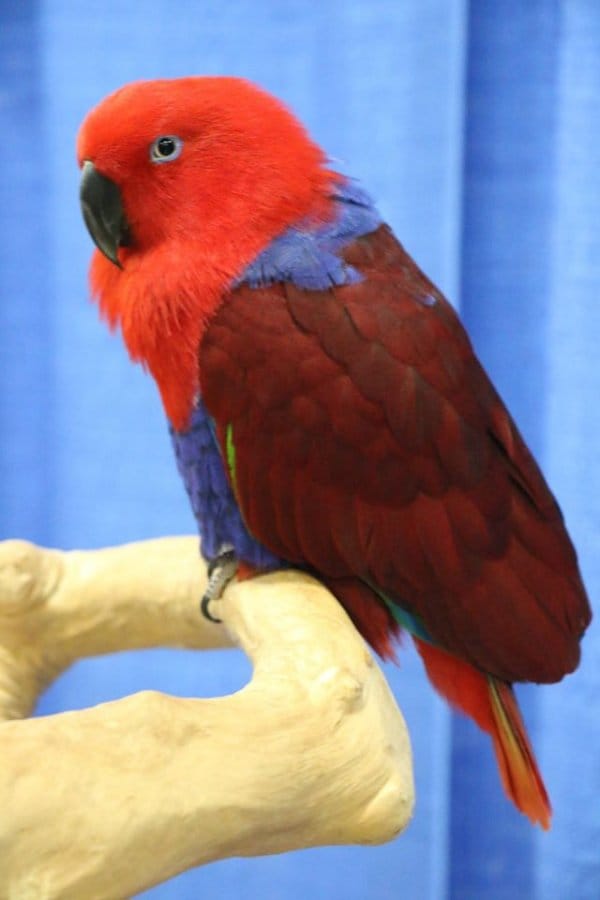
Bringing a baby Eclectus parrot into your home is an exciting journey, filled with unique behaviors and developmental milestones. Like human children, these intelligent birds progress through distinct stages as they mature, and understanding these phases can significantly shape your relationship with your feathered companion and contribute to their overall well-being. This guide will help you anticipate and navigate the behavioral changes your Eclectus may exhibit from infancy to adulthood.
The First Weeks: An Insecure Stage
Shortly after arriving in their new environment, your baby Eclectus may enter an “insecure stage.” During this time, they might vocalize loudly and continuously when out of your sight. This behavior stems from fear and a need for reassurance; they are seeking comfort, love, and care from their sole caregiver in a world that is suddenly new and overwhelming. Patience and consistent, gentle affection are key to helping your young parrot feel secure. This phase of constant vocalization will eventually subside as they begin to trust and bond with you.
Navigating the “Terrible Twos”: Testing Boundaries
The “testing stage,” often referred to as the “terrible twos,” typically emerges between four to nine months of age. Your Eclectus may display defiant behaviors such as lunging, biting, growling, or screaming. Having established a sense of security and knowing their needs for food and affection are met, they now begin to assert their desire to be the “boss” or the alpha of their flock – which is you. It is crucial to lovingly and firmly establish your role as the leader. Positive reinforcement is far more effective than punishment, as birds do not understand punitive measures and can lose trust if harmed. Yelling back at your parrot will likely result in a screaming match that you will not win. Your Eclectus is intelligent and empathetic; they can sense your displeasure through your tone and facial expressions. Consistent positive reinforcement, coupled with clear communication of your expectations, is the most effective approach.
Adolescent Independence: The Teenage Years
Adolescence, or the “teenage stage,” generally begins between 12 and 18 months of age. While your Eclectus may now physically resemble an adult and exhibit some sexual behaviors, they are still developing. In the wild, this is when young birds would be seeking independence from their parents. As a pet, however, your Eclectus will always depend on you for basic needs. This can lead to confusion and sometimes screaming as they grapple with their desire for independence versus their continued reliance on you. Instead of rushing to their side when they scream, respond with a contact call, reassuring them that they are safe and you are near. This stage is an opportunity to help your bird discover healthy independence by learning to play and entertain themselves while still feeling secure.
It is important to remember that while fostering independence, you should still engage in quality playtime and cuddle sessions. Forcing your will upon your adolescent Eclectus can be detrimental, potentially leading to an overly dependent or, conversely, a resentful and distrustful bird. These extreme reactions are common reasons why companion parrots lose their homes. During adolescence, territorial behavior, particularly around their cage, playstand, and food bowls, along with occasional aggression, is also common. While some owners use perches to manage territoriality, allowing your Eclectus space in their cage or on their playstand until they are ready to socialize can be a more respectful approach. In emergency situations, however, they must be trained to step up immediately. If you notice excessive screaming, biting, or other concerning behaviors, consult with your veterinarian to rule out any underlying medical issues, followed by a reputable avian behaviorist.
Reaching Sexual Maturity: The Hormonal Stage
Around two to three years of age, Eclectus parrots typically reach sexual maturity, accompanied by hormonal fluctuations. Your bird’s demeanor can shift rapidly from affectionate to territorial and aggressive. You may be perceived as their mate, leading to behaviors like regurgitation, physical rubbing, or other mating displays. It’s important to avoid unintentionally stimulating these behaviors by refraining from stroking their back, under their wings, or tail, and limiting contact with their beak. Once the hormonal period subsides, more typical physical affection can resume. While these early years of sexual maturity can be intense, the behavior usually evens out, and your bird’s more mellow personality will likely return. Remember that adopting a parrot is a lifelong commitment, and working through this stage will be rewarded with many more years of companionship.
The Predictability of Middle Age
As your Eclectus enters middle age, and their environment remains consistent, their behavior tends to become more predictable, with fewer mood swings. This stability often arises from a mutual understanding between you and your bird, knowing each other’s needs and cues. Many owners report that middle-aged and older Eclectus continue to learn new words and behaviors, proving that old dogs—or in this case, parrots—can indeed learn new tricks.
Caring for Your Elderly Parrot
Parrots, much like their human companions, experience aging. Elderly parrots may exhibit decreased mobility, arthritis, joint swelling, hearing loss, cataracts, and failing vision. To ease the challenges of aging, always follow your veterinarian’s advice for medical needs and comfort. Consider repositioning perches, food bowls, and toys lower and closer together for easier access within their cage. Providing a heated basket can help soothe arthritic joints. Crucially, continue to offer your time and attention, as elderly parrots still possess much to offer and can continue learning well into their senior years.
A well-adjusted, independent companion Eclectus is a true joy. By understanding and respectfully navigating each developmental stage, you can foster a deep and lasting bond with your beloved feathered family member.
