
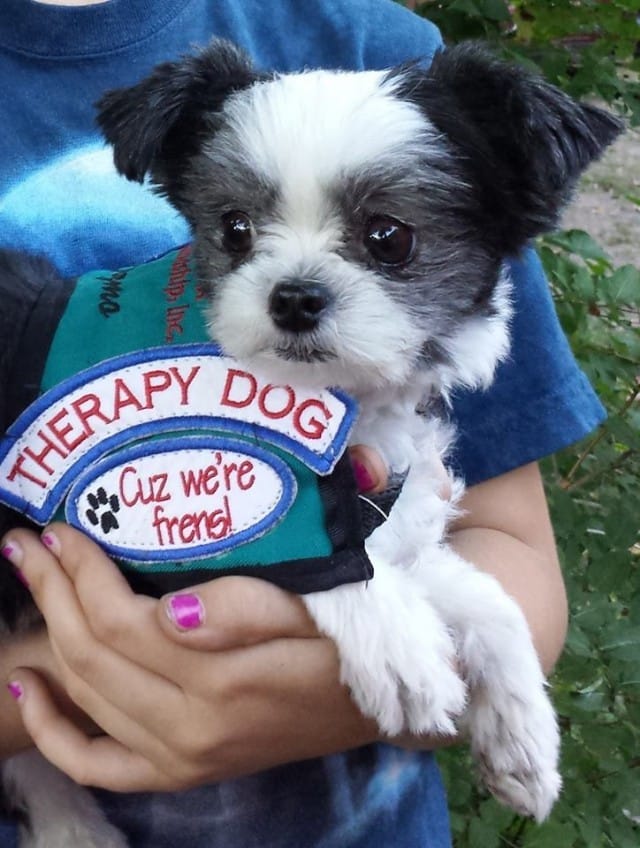
Are you dreaming of a furry friend but short on time or space? The good news is, you don’t need a sprawling estate or endless hours to enjoy the companionship of a well-behaved dog. Many small dog breeds are not only incredibly charming but also remarkably intelligent and eager to please, making them wonderfully trainable. If you’re looking for a pint-sized pal who’s a breeze to teach, you’ve come to the right place. We’re diving deep into the world of small dog breeds that are known for being easy to train, helping you find the perfect four-legged family member.
The Appeal of Trainable Small Dogs
Why are trainable small dogs such a hit? It’s a combination of factors. Their smaller size makes them adaptable to various living situations, from cozy apartments to larger homes. They often require less intense exercise than their larger counterparts, though daily walks and playtime are still crucial for their well-being. But perhaps the most significant draw is their trainability. Many small breeds were historically developed for specific tasks, like hunting vermin or serving as companions, which bred in a high degree of intelligence and a desire to work alongside humans. This inherent ability, coupled with positive reinforcement training methods, can lead to a remarkably well-adjusted and obedient pet.
Understanding “Easy to Train”
When we talk about “easy to train” small dog breeds, what does that really mean? It generally refers to dogs that:
- Learn quickly: They pick up new commands and behaviors with relative speed.
- Are eager to please: They have a strong desire to make their owners happy.
- Have good focus: They can concentrate on training sessions without getting easily distracted.
- Possess intelligence: They understand cues and can problem-solve.
- Respond well to positive reinforcement: They thrive on praise, treats, and rewards.
It’s important to remember that every dog is an individual, and factors like socialization, consistency in training, and the bond with their owner play a huge role. However, certain breeds have a genetic predisposition that makes the training process smoother.
Top Small Dog Breeds Known for Trainability
Let’s explore some of the most popular and effective small dog breeds when it comes to ease of training.
1. Poodle (Toy and Miniature)
Often topping the lists for intelligence across all dog sizes, Poodles are exceptionally smart. Toy and Miniature Poodles inherit this high IQ and a strong work ethic. They are not just pretty faces; they excel in obedience, agility, and even complex tricks. Their eagerness to please and quick learning curve make them a top choice for first-time dog owners and experienced handlers alike. Their hypoallergenic coat also means less shedding, though regular grooming is essential.
Why they’re easy to train:
- Ranked as one of the most intelligent dog breeds.
- Highly motivated by praise and rewards.
- Excel in various dog sports and activities.
2. Papillon
Don’t let their delicate appearance fool you; Papillons are little dynamos of intelligence and energy. Their name, meaning “butterfly” in French, refers to their distinctive, wing-like ears. These dogs are known for their alertness, curiosity, and surprising aptitude for obedience and agility training. They thrive on mental stimulation and genuinely enjoy learning new things, making training sessions both fun and productive.
Why they’re easy to train:
- Incredibly bright and quick learners.
- Enjoy interactive training and problem-solving games.
- Their desire to be involved in family activities extends to training.
3. Shetland Sheepdog (Sheltie)
While sometimes bordering on medium-sized, Shelties can be on the smaller end and are undeniably one of the easiest breeds to train. Hailing from the same lineage as the Collie, they possess remarkable intelligence, loyalty, and a strong desire to work. They are highly sensitive and responsive to their owner’s cues, making them excel in obedience and herding trials. Consistent, gentle training is key to harnessing their potential.
Why they’re easy to train:
- Exceptional intelligence and attentiveness.
- Very eager to please their handlers.
- Highly responsive to voice commands and body language.
4. Miniature Schnauzer
Miniature Schnauzers are sturdy, spirited dogs with a big personality packed into a small frame. They are known for their intelligence, alertness, and a sometimes stubborn, yet ultimately trainable, nature. Bred as farm dogs, they are resourceful and learn tasks quickly. Positive reinforcement and consistent training from an early age will yield excellent results, resulting in a well-behaved companion.
Why they’re easy to train:
- Intelligent and alert, quick to understand commands.
- Respond well to structured training with clear expectations.
- Their natural curiosity can be channeled into learning.
5. Cavalier King Charles Spaniel
These affectionate and charming spaniels are bred primarily for companionship, and their gentle nature makes them a joy to train. Cavaliers are eager to please, sensitive, and readily pick up on commands, especially when training is kept light, fun, and rewarding. They form strong bonds with their owners, which fuels their desire to learn and cooperate.
Why they’re easy to train:
- Naturally eager to please their human families.
- Sensitive and respond best to positive, gentle methods.
- Their desire for affection is a great motivator.
6. Bichon Frise
The Bichon Frise is a small, cheerful dog known for its white, fluffy coat and playful disposition. Beyond their adorable appearance, Bichons are quite intelligent and enjoy learning. They respond well to consistent, positive training and thrive on attention. Their main motivation is often simply being with their people and earning praise, making training sessions a bonding experience.
Why they’re easy to train:
- Intelligent and playful, enjoy learning new tricks.
- Highly motivated by praise and social interaction.
- Their happy-go-lucky nature makes training enjoyable.
7. Havanese
The national dog of Cuba, the Havanese is a small, sturdy dog with a lot of personality. They are intelligent, social, and genuinely love to be involved in family activities, including training. Havanese are known for their quick learning ability and their responsiveness to positive reinforcement. They often have a knack for tricks and enjoy engaging training games.
Why they’re easy to train:
- Intelligent and adaptable to new commands.
- Social butterflies who enjoy interactive learning.
- Their playful spirit makes training sessions fun.
Keys to Training Success with Small Dogs
Regardless of the breed, success in training hinges on a few key principles. Even the easiest-to-train breeds benefit immensely from a thoughtful approach.
Positive Reinforcement is Paramount
For small breeds, who can sometimes be more sensitive or prone to developing certain behavioral issues if not trained correctly, positive reinforcement is non-negotiable. This means rewarding desired behaviors with treats, praise, toys, or affection. Avoid harsh corrections, as they can lead to fear, anxiety, and a breakdown in trust.
Consistency is Crucial
All members of the household need to be on the same page regarding commands, rules, and rewards. Inconsistency confuses dogs and slows down the learning process. Decide on a command (e.g., “sit”), stick to it, and ensure everyone uses it the same way.
Early Socialization Matters
Introducing your puppy to a variety of sights, sounds, people, and other well-behaved dogs from a young age is vital. Socialization helps prevent fear-based behaviors and ensures your dog grows into a confident, well-adjusted companion. For small breeds, this is especially important as they can sometimes become overly protective or fearful if not properly exposed to the world.
Keep Training Sessions Short and Fun
Small dogs, like puppies of any size, have short attention spans. Aim for multiple short training sessions throughout the day (5-10 minutes each) rather than one long, grueling one. End each session on a positive note, even if it’s just a simple command they’ve mastered. This keeps them engaged and looking forward to the next learning opportunity.
Mental Stimulation is Key
An intelligent dog, even a small one, needs mental challenges to prevent boredom, which can lead to destructive behaviors. Incorporate puzzle toys, scent games, and learning new tricks into your routine. The world of brain training for dogs review can offer fantastic insights into keeping your canine mentally sharp.
Addressing Common Small Dog Training Challenges
While these breeds are known for being easy to train, challenges can still arise.
House Training
Small dogs can sometimes take a little longer to house-train than larger breeds. Patience, consistency, and a diligent potty-training schedule are essential. Frequent trips outside, especially after waking up, eating, and playing, are crucial.
Barking
Some small breeds can be prone to excessive barking, often due to a lack of socialization, boredom, or a desire to alert their owners to everything. Training a “quiet” command and ensuring they receive enough mental and physical stimulation can help manage this.
Separation Anxiety
Small dogs, particularly those bred as companions, can sometimes develop separation anxiety if they are not accustomed to being left alone. Gradual departures and creating a sense of independence from an early age can help mitigate this.
The Joy of a Well-Trained Small Dog
Bringing a small dog into your life is an incredibly rewarding experience, and a well-trained dog amplifies that joy tenfold. Whether you’re interested in small dog breeds easy to train for their compact size or simply admire their intelligence, there’s a perfect companion waiting for you. Remember that training is an ongoing journey, a continuous conversation between you and your dog. With patience, consistency, and lots of love, you’ll build an unbreakable bond and enjoy years of happy companionship. Discovering what’s the easiest dog to train is just the first step; the real magic happens when you embark on the training adventure together.
