
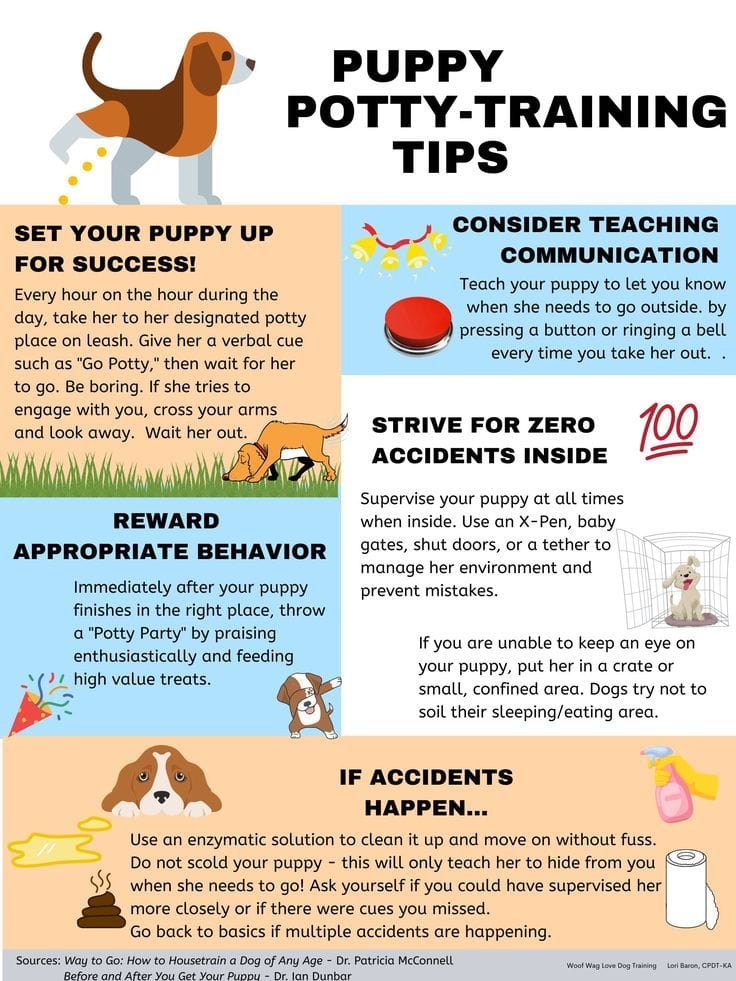
Potty training a small dog can feel like a daunting task, but with the right approach, it’s entirely achievable. Many owners wonder about the “easiest way to potty train small dogs,” and the truth is, consistency and understanding your dog’s unique needs are key. Small breeds, while sometimes perceived as more difficult due to their size and metabolism, respond exceptionally well to positive reinforcement and a structured routine. This guide will walk you through effective strategies to make potty training your small companion a smoother, more successful experience.
Understanding Small Dog Potty Training Nuances
Small dogs, due to their smaller bladders and faster metabolisms, may need more frequent potty breaks than larger breeds. This doesn’t necessarily make them harder to train, but it does mean you need to be extra vigilant with timing. Understanding their signals – sniffing, circling, whining – is crucial. Early recognition allows you to preempt accidents and guide them to the designated potty spot, reinforcing desired behavior.
Breed-Specific Considerations
While many training principles apply across the board, some small breeds might have tendencies that influence training. For example, terriers might be more independent, while toy breeds could be more prone to separation anxiety, which can manifest as accidents. Researching your specific breed’s temperament can offer insights, but remember that individual personality plays a significant role.
The Foundation: Establishing a Routine
Consistency is the cornerstone of successful potty training, especially for small dogs. A predictable schedule helps your dog understand when and where they are expected to eliminate.
Key Times for Potty Breaks
- Upon waking: First thing in the morning, and immediately after any nap.
- After meals and treats: Within 15-30 minutes of eating or drinking.
- After playtime: Following any energetic activity.
- Before bedtime: A final opportunity to relieve themselves.
- Every few hours throughout the day: This interval will vary based on your dog’s age and bladder control. For puppies, this might be every 1-2 hours, gradually increasing as they mature.
Choosing a Potty Spot
Designate a specific area outside or on a potty pad. Taking your dog to the same spot each time helps them associate that location with elimination. Using a verbal cue, like “Go potty,” as they are relieving themselves can also help them understand the command.
Positive Reinforcement: The Power of Rewards
Positive reinforcement is not only the most humane but also the most effective method for potty training small dogs. It builds a strong bond between you and your dog and encourages them to repeat desired behaviors.
Rewarding Success
- Immediate praise: Offer enthusiastic verbal praise (“Good dog!,” “Yes!”) the moment your dog finishes eliminating in the correct spot.
- High-value treats: Small, palatable treats that your dog loves can be a powerful motivator. Deliver the treat immediately after the praise.
- Affection: A gentle pet or scratch behind the ears can also serve as a reward.
The key is immediacy. The reward must be given within seconds of the successful potty break for your dog to associate it with the correct action.
Handling Accidents
Accidents are a normal part of the potty training process. It’s crucial to avoid punishment, as this can lead to fear and anxiety, making training more difficult.
- Don’t scold or punish: If you find an accident after it has happened, simply clean it up. Your dog won’t understand the correction if it’s not immediate.
- Interrupt and redirect: If you catch your dog in the act of having an accident indoors, calmly interrupt them with a sound (like a clap) and immediately take them to their designated potty spot. If they finish there, praise and reward them.
- Thorough cleaning: Use an enzymatic cleaner to eliminate odors completely. Dogs are drawn to soiled areas, and lingering smells can encourage repeat offenses.
Potty Training Methods for Small Dogs
Several methods can be employed, often in combination, to facilitate potty training. The “easiest” often depends on your lifestyle and your dog’s personality.
Outdoor Potty Training
This is the most common and often recommended method. It involves regular trips outside to a designated spot.
- Frequency: As mentioned, frequent trips are essential, especially for small puppies.
- Supervision: Keep a close eye on your dog when they are not confined. This allows you to catch signs that they need to go and prevent accidents.
- Leash walks: Even in your own yard, using a leash can help keep your dog focused on the task and prevent them from getting distracted.
Potty Pads and Indoor Solutions
For apartment dwellers or those with mobility issues, potty pads offer a convenient alternative.
- Placement: Place pads in a consistent, easily accessible location. Avoid high-traffic areas.
- Gradual transition (if applicable): If you start with pads and later want to transition to outdoor pottying, you can gradually move the pad closer to the door and eventually outside.
- Litter training: Some small breeds can be trained to use a litter box, similar to cats. This involves using a litter box filled with appropriate litter or potty pads.
Crate Training: A Valuable Tool
Crate training is not about punishment; it’s about providing your dog with a safe den and teaching them to hold their bladder and bowels. Dogs are naturally reluctant to soil their sleeping area.
- Appropriate size: The crate should be just large enough for your dog to stand up, turn around, and lie down comfortably. Too much space can encourage them to use one end as a potty area.
- Positive association: Make the crate a positive place with comfy bedding, toys, and occasional treats. Never use the crate for punishment.
- Gradual introduction: Start with short periods and gradually increase the time your dog spends in the crate.
For more detailed guidance on using crates, resources on crate for dog training can be very helpful.
Troubleshooting Common Potty Training Issues
Even with the best efforts, challenges can arise. Here’s how to address some common problems:
Submissive Urination
Some small dogs, particularly puppies, may urinate when excited, scared, or when greeted. This is often a sign of nervousness.
- Avoid overwhelming greetings: Greet your dog calmly and let them approach you.
- Don’t punish: As with accidents, punishment will only increase anxiety.
- Positive reinforcement: Reward calm behavior and successful potty breaks.
Refusal to Potty Outdoors
If your dog consistently refuses to go outside, consider the following:
- Weather: Are they uncomfortable with the temperature, rain, or snow? Provide appropriate gear if needed.
- Distractions: Is the potty spot too busy or noisy? Try a quieter location.
- Fear: Is there something in the environment that scares them?
Accidents When Left Alone
If your dog has accidents only when you’re not home, it could be separation anxiety or a sign they aren’t fully trained yet.
- Management: Ensure they have had a potty break immediately before you leave and consider using a crate or a dog-proofed area.
- Gradual departures: Practice leaving for short periods and returning before they have an accident.
For those struggling with older dogs, the question of how do you potty train an older dog might arise, and while it can take longer, patience and consistency are still key.
The Role of Treats and Toys
Dog training treat dispenser toys can be a fantastic aid in potty training. They provide mental stimulation and can be used as a reward. When your dog successfully potties outside, you can give them a treat from the dispenser as an extra special reward. This adds an element of fun to the training process.
Making it Easier: Tips for Success
- Know your dog’s signs: Learn to recognize when your dog needs to go.
- Be patient: Every dog learns at their own pace.
- Stay positive: Your attitude is contagious.
- Clean thoroughly: Enzymatic cleaners are your best friend.
- Consider professional help: If you’re struggling, a local trainer might offer guidance, such as dog training bloomington mn if that’s your area.
Potty training small dogs is a journey, not a race. By implementing a consistent routine, using positive reinforcement, and understanding the unique needs of your small breed, you can navigate this process successfully and enjoy a clean, happy home with your canine companion. Remember, the goal is to build a foundation of trust and clear communication, making the experience positive for both you and your dog.
