
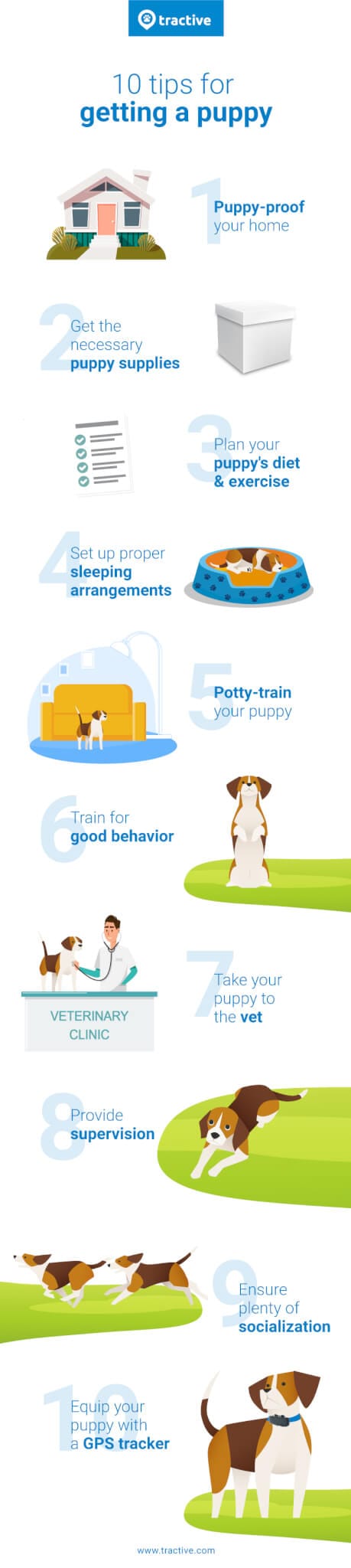
Welcome to the ultimate guide for anyone dreaming of a home free from puppy accidents! If you’re looking for easy potty trained dogs, you’ve come to the right place. We’re diving deep into what makes some dogs masters of housetraining and how you can achieve that with your canine companion. Forget the stress and the endless cleaning; we’re here to share the secrets to a reliably potty-trained dog. Whether you’re a first-time owner or seeking to improve your dog’s manners, this guide is packed with actionable advice, from understanding your dog’s needs to implementing effective training strategies.
Understanding the Foundations of Potty Training
Potty training a dog isn’t just about teaching them where to go; it’s about building a communication system between you and your pet. It requires patience, consistency, and a good understanding of canine behavior. The “easy” part often comes down to a combination of breed predispositions, early training, and the owner’s commitment.
Why Are Some Dogs Easier to Potty Train?
Several factors contribute to a dog’s aptitude for potty training:
- Breed Tendencies: Some breeds are historically bred for tasks that require a high degree of trainability and intelligence, making them quicker learners. Breeds like Poodles, German Shepherds, and Labrador Retrievers often pick up housetraining quickly.
- Age: Puppies are more adaptable and have fewer ingrained habits. However, very young puppies have less bladder control. Adult dogs can be trained, but may have previous habits to unlearn.
- Individual Temperament: A dog’s personality plays a role. Confident, eager-to-please dogs may respond more readily to training than timid or independent ones.
- Consistency of Owner: This is perhaps the most crucial factor. A consistent schedule and clear cues from the owner significantly impact the training process.
The Role of Crate Training
Crate training is a highly effective tool for potty training. Dogs are naturally clean animals and are reluctant to soil their sleeping area. A crate, when used correctly, taps into this instinct. It provides a safe den for your dog and helps you manage their elimination schedule. When a dog has an accident in the house, it’s often because they weren’t taken out frequently enough or were left unsupervised. Proper crate training a dog for potty training can prevent these situations.
Recognizing Your Dog’s Signals
Learning to read your dog’s “tells” is paramount. Before they need to go, dogs often exhibit subtle signs: circling, sniffing the ground intently, whining, or heading towards a door. Catching these signals allows you to interrupt the behavior and redirect them to their designated potty spot. This proactive approach is far more effective than punishment after an accident.
Essential Tools and Techniques for Easy Potty Training
Success in potty training hinges on the right tools and a consistent methodology. Here are some key elements that contribute to easy potty training:
Establishing a Routine
A predictable schedule is the bedrock of successful housetraining. Take your dog out:
- First thing in the morning.
- After each meal or drink.
- After naps.
- After periods of play or excitement.
- Right before bedtime.
This consistent routine helps regulate your dog’s bodily functions and ensures they are offered frequent opportunities to relieve themselves outdoors. If you’re struggling with a schedule, consider exploring dog potty training aids fake grass which can offer a designated spot indoors or on a balcony, especially useful for apartment dwellers or those with mobility issues.
Positive Reinforcement is Key
Never punish your dog for accidents. Punishment can lead to fear and anxiety, making training more difficult. Instead, focus on rewarding desired behavior. When your dog successfully eliminates in the right spot, offer enthusiastic praise, a favorite treat, or a special toy immediately afterward. This positive reinforcement makes them associate the act of going potty outside with good things.
Commands and Cues
Using a verbal cue can help your dog associate the action with the word. Choose a simple, consistent phrase like “Go potty,” “Do your business,” or “Hurry up.” Say the cue as they are eliminating, and then praise them as they finish. Over time, they will begin to associate the command with the action. A dog bell for door potty training can also be incredibly effective. Hanging bells on the door handle and having your dog ring them as they go out can create a clear signal for you that they need to go.
Troubleshooting Common Potty Training Challenges
Even with the best intentions, challenges can arise. Understanding these common issues and their solutions can help you navigate the potty training journey smoothly.
What to Do About Accidents
Accidents happen. If you catch your dog in the act, calmly interrupt them with a sound (like a clap) and immediately take them outside to their potty spot. If they finish outside, praise them. If you find an accident after it’s happened, do not scold your dog. Simply clean it up thoroughly using an enzymatic cleaner to eliminate odors that might attract them back to the same spot.
Dealing with Sub-Surface Urination or Defecation
Sometimes, dogs might urinate or defecate in unusual places, like on rugs or furniture. This could be due to a medical issue, anxiety, or simply not being taken out frequently enough. If this persists, consult your veterinarian to rule out any health problems. If it’s behavioral, revisit your training schedule and ensure adequate supervision. For adult dogs who have had accidents, house training adult dog techniques might need a slightly different approach than with puppies, focusing on reinforcing their new routine.
Regression in Potty Training
It’s not uncommon for a previously potty-trained dog to have a regression. This can be triggered by changes in routine, stress, new environments, or underlying medical conditions. If your dog starts having accidents again, calmly go back to basics: increase the frequency of potty breaks, ensure positive reinforcement, and clean up any messes without punishment.
The Long-Term Benefits of Easy Potty Training
Investing time and effort into potty training your dog yields significant rewards. An easy potty trained dog means:
- A Cleaner Home: Less stress about accidents, odors, and damaged furnishings.
- More Freedom for Your Dog: They can be trusted to roam more freely in the house and potentially have more privileges.
- Stronger Bond: The training process itself strengthens the bond between you and your dog through positive interaction and clear communication.
- Peace of Mind: Knowing your dog is reliably house-trained brings immense peace of mind, allowing you to enjoy your time together even more.
Remember, every dog is an individual, and while some may seem naturally predisposed to being easy potty trained dogs, consistency and positive methods are universally effective. By understanding your dog’s needs and applying these techniques, you’ll be well on your way to enjoying a clean home and a well-behaved canine companion. The journey of training is part of the wonderful “Dog Care Story,” and the end result is always worth the effort.
