
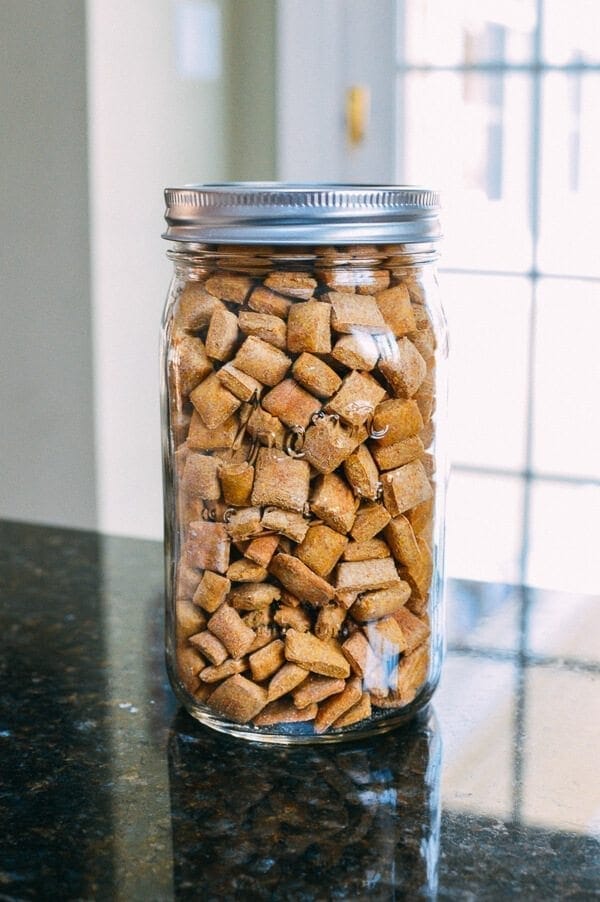
Bringing a new puppy home is an exciting, yet challenging, experience. This guide offers insights into the early weeks of puppy training, focusing on housebreaking and diet, drawing from the personal journey of integrating “Barley” into a family. It also provides a simple, cost-effective recipe for homemade puppy training treats.
The First Few Weeks with Barley
The initial months with a new puppy require patience, consistency, and a structured approach. Barley’s transition into the home involved overcoming common puppy challenges, from nighttime whining to successful house training.
The First Night
Puppies, especially young ones, are accustomed to the constant presence of their littermates. The first night alone can be disorienting and lead to crying. To ease Barley’s distress, one of the owners slept on a mattress next to her crate for the first week. This proximity provided comfort and reassurance, helping her adjust to being without her pack. Gradually, as she grew more secure, she was able to sleep for longer periods. It’s important to note that puppies under 10 weeks old can typically only hold their bladder for about two hours, necessitating frequent nighttime potty breaks.
House Training
Consistent house training is a cornerstone of puppy development. The crate plays a vital role, serving as the puppy’s den, which they are naturally inclined to keep clean. It’s crucial to size the crate appropriately; it should only be large enough for the puppy to stand up, turn around, and lie down. An oversized crate risks the puppy designating a separate area for elimination.
Establishing a rigid schedule is key to forming good habits. The Monks of New Skete’s books, The Art of Raising a Puppy and How to Be Your Dog’s Best Friend, are recommended resources for guidance. A sample schedule for Barley included:
- Morning (7:00 AM): Potty break, breakfast, play, and walk, followed by returning to the crate.
- Mid-morning (10:30 AM): Water, walk, play/training, return to crate.
- Lunchtime (12:30 PM): Lunch, water, walk, play/training, return to crate.
- Afternoon (2:30 PM): Water, walk, return to crate.
- Evening (5:30 PM): Dinner, water, walk, supervised time in the kitchen.
- Pre-bedtime (7:30 PM): Water (cut off after this), play, walk, supervised time in the living area.
- Bedtime (10:30 PM): Final walk, return to crate.
Key strategies for successful house training include:
- Leash use indoors: Keeping the puppy on a leash indoors (unless crated) helps maintain proximity and allows for quick intervention when signs of needing to go outside appear.
- Bell training: Attaching a bell to the doorknob and having the puppy ring it before potty breaks encourages them to signal their needs.
- Using a keyword: Associating a verbal cue, like “go poop!”, with elimination outdoors reinforces the desired behavior.
- Positive association: Leaving a small amount of puppy feces in the designated potty area can help the puppy associate the smell with the act of elimination.
- Constant monitoring: Keeping a close eye on the puppy’s behavior and responding promptly to cues like sniffing or circling is essential.
- Interrupting accidents: If an accident occurs, a firm “no” can interrupt the behavior, and the puppy should immediately be taken outside to finish. Discipline should never occur after the fact, as the puppy won’t understand the connection.
- Ignoring crate whining: Unless a genuine need to go outside is suspected, it’s best to ignore whining to prevent reinforcing the behavior.
Puppy Food & Diet
Selecting the right puppy food is crucial for healthy development. Foods with a primary protein source (like chicken or lamb) are preferred over those with meal fillers or excessive grains. Nutro’s large breed puppy formula was chosen for Barley.
To aid in the transition and digestion, mashed carrots or plain pumpkin puree were mixed with kibble in the initial weeks. Plain, full-fat yogurt was also added to the morning meal to support gut health and a shiny coat.
Feeding times were utilized as opportunities to reinforce commands like “sit” and “stay.” During meals, gentle petting was incorporated to prevent food aggression, a behavior that was firmly corrected with a “no” and a “sit” command. This practice is particularly important in households with children. Food bowls were also intermittently picked up while the puppy ate, teaching them that food would be returned, further mitigating food aggression.
Barley’s House Rules
Establishing clear house rules from the outset helps create a well-behaved companion. Barley was taught to:
- Allow humans to pass through doorways first.
- Sit before entering or exiting the house.
- Maintain focused eye contact before receiving a meal, reinforcing communication and responsiveness.
Barley’s Favorite Pumpkin Peanut Butter Puppy Training Treats
Commercial dog treats can be expensive and their ingredients often unknown. Making homemade treats offers a healthier and more economical alternative. This recipe, adapted from Use Real Butter, uses simple ingredients and can be tailored for training purposes by cutting them into small, bite-sized pieces.
Yields: Approximately 20 treats
Prep time: 30 minutes
Cook time: 30 minutes
Ingredients:
- 2 1/2 cups whole wheat flour
- 2 large eggs
- 2/3 cup pumpkin purée (canned or fresh)
- 3 tablespoons peanut butter
Instructions:
- Preheat oven to 350°F (175°C).
- Combine all ingredients in a stand mixer bowl and mix until just combined. Adjust consistency with a little water if too dry, or a bit more flour if too wet.
- Knead the dough on a clean surface and roll it out to between 1/8 and 1/4 inch thick.
- Cut into small squares or desired shapes.
- Transfer to an ungreased baking sheet and bake for 25-30 minutes, or until thoroughly crunchy. Baking time may vary based on treat size and thickness.
- Allow treats to cool completely before storing in an airtight container. They will stay fresh for up to 2 weeks.
FAQs
- Can the dough be made ahead? Yes, the dough can be refrigerated for up to 2 days or frozen for up to 3 months. Allow it to come to room temperature before rolling and cutting.
- Can all-purpose flour be used? While possible, whole wheat flour provides more nutrients and fiber.
- Can treats be made soft? For a longer shelf life, treats should be baked until hard and crunchy. Moisture can reduce their longevity.
This comprehensive approach to puppy training, combined with the simplicity of homemade treats, can contribute to a well-adjusted and happy canine companion.
