
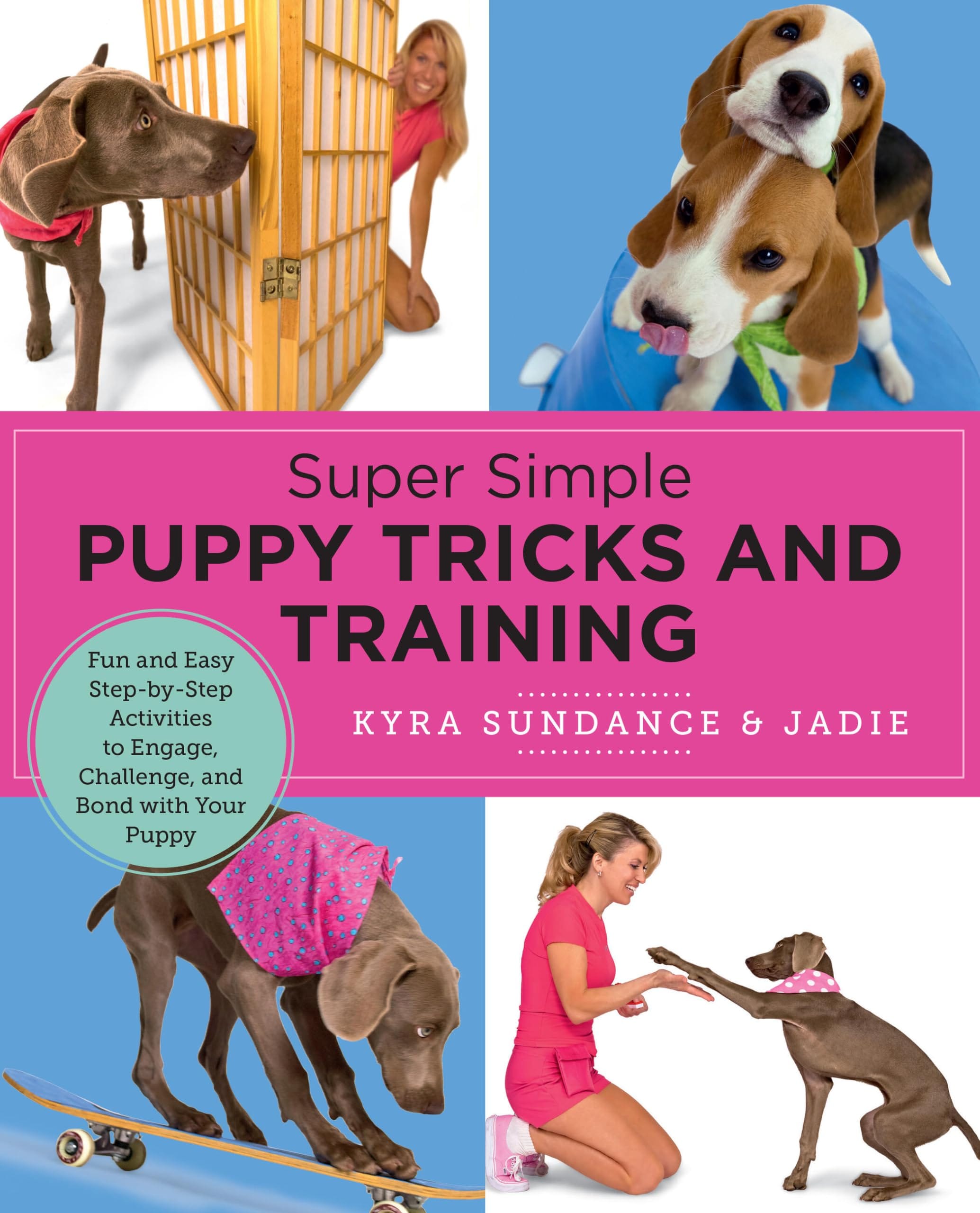
Teaching your dog new things is one of the most rewarding parts of being a pet parent. It’s more than just about having a well-behaved companion; it’s about building a language of love and understanding between you. When you start exploring Easy Dog Training Tricks, you unlock a powerful way to stimulate your dog’s mind, strengthen your bond, and have a whole lot of fun in the process. Forget the idea that training is a chore. Think of it as playtime with a purpose, a chance to see your dog’s confidence soar as they learn to shake, spin, and high-five their way into everyone’s hearts. This journey isn’t about creating a circus performer; it’s about deepening a connection that lasts a lifetime. To get a broader view of what’s possible, exploring some 7 best and easy dog tricks for beginners can provide a great starting point for your shared learning adventure.
Why Teach Your Dog Tricks? It’s More Than Just Fun
You might wonder if teaching tricks is really necessary, especially if your dog has already mastered “sit” and “stay.” But the benefits go far beyond simple obedience. Engaging in regular trick training is a fantastic way to keep your dog mentally sharp and prevent boredom, which can often lead to destructive behaviors like chewing or excessive barking.
Boosting Their Brain Power
Dogs, much like humans, need mental exercise to stay happy and healthy. Learning a new trick challenges their problem-solving skills and encourages them to think. Each successful attempt builds new neural pathways, keeping their minds active and engaged, which is especially important as they age. This mental workout is just as crucial as their daily walk.
Strengthening Your Unbreakable Bond
Training is a two-way street of communication. When you teach your dog a trick, you are learning to understand their body language, their learning style, and what motivates them. In turn, your dog learns to focus on you and trust your guidance. This shared experience, built on patience and positive reinforcement, solidifies the bond between you and your furry friend in a way that few other activities can.
Building Canine Confidence
For a timid or anxious dog, learning a new skill can be a huge confidence booster. Every “good boy!” and tasty treat they earn for a successful “shake” reinforces the idea that trying new things is a positive experience. This newfound confidence can spill over into other areas of their life, making them less fearful of new situations, people, or other dogs.
Getting Ready for Trick Training Success
Before you jump into teaching your first trick, setting the stage for success is key. You don’t need a lot of fancy equipment, but a few basics will make the process smoother and more enjoyable for both of you.
- High-Value Treats: Forget the boring old kibble. You need something your dog truly loves and will work for. Think small, soft, and smelly treats like tiny pieces of chicken, cheese, or commercial training treats. The goal is a quick, delicious reward that doesn’t take long to chew.
- A Quiet Environment: Choose a space with minimal distractions. Turn off the TV, put your phone away, and find a room where you won’t be interrupted. This helps your dog focus completely on you and the task at hand.
- A Positive Attitude: Your dog can sense your emotions. Approach each training session with enthusiasm and patience. Celebrate the small victories and never get frustrated if your dog doesn’t get it right away. Remember, this is fun!
- Keep It Short: A dog’s attention span can be short. Aim for training sessions of just 5-10 minutes, once or twice a day. Always try to end on a high note with a trick your dog has successfully mastered. This leaves them feeling accomplished and eager for the next session.
For those looking to add a layer of precision to their training, it can be beneficial to train a dog with a clicker, as this tool can mark the exact moment your dog performs the correct behavior.
5 Fun and Easy Dog Training Tricks to Start With
Ready to get started? These five tricks are perfect for beginners. They are simple to teach, build on basic commands, and provide a fantastic foundation for more complex tricks later on.
1. Shake Paws (The Classic Greeting)
This is often the first “real” trick a dog learns and is a certified crowd-pleaser. It builds on a natural pawing behavior that many dogs already exhibit.
- Start with a Sit: Ask your dog to sit and face you. Hold a treat in one of your hands.
- Close Your Fist: Show your dog the treat, then close your fist around it.
- Encourage Pawing: Hold your closed fist near your dog’s shoulder. Most dogs will naturally sniff and then paw at your hand to get the treat.
- Mark and Reward: The instant their paw touches your hand, say “Yes!” or click your clicker, open your hand, and give them the treat.
- Add the Cue: Once your dog is reliably pawing your hand, start adding the verbal cue. As you present your closed fist, say “Shake.”
- Transition to an Open Hand: After a few sessions, start presenting an open, empty hand while saying “Shake.” When they touch your hand with their paw, reward them with a treat from your other hand.
2. High Five (The Coolest Celebration)
A fun variation of “Shake,” the High Five is an energetic and adorable trick that always gets a smile.
- Master the Shake: Ensure your dog has a solid “Shake” command first.
- Change Your Hand Position: Instead of offering your hand palm-up, hold it vertically, as if you were going to give a human a high five.
- Use the Cue: Say “High Five” or “Gimme Five.” Your dog will likely try to perform a normal shake.
- Guide and Reward: They might be confused at first. If they just touch their nose to your hand, that’s okay! Reward any interaction. You can gently guide their paw to your upright hand. The moment their paw makes contact, mark the behavior and give them a treat.
- Raise the Bar: Gradually start holding your hand a little higher with each successful attempt, encouraging them to reach up for the high five.
3. Spin (The Dizzying Dance)
“Spin” is a dynamic trick that gets your dog moving and is incredibly easy to teach using a lure.
- Grab a Treat: Hold a tasty, smelly treat near your dog’s nose.
- Lure in a Circle: While your dog is standing, slowly move the treat in a circle around their head, guiding them to follow it. This will cause them to turn their body in a full circle.
- Mark and Reward: As soon as they complete the full 360-degree turn, say “Yes!” and give them the treat.
- Add the Verbal Cue: Once they are smoothly following the lure, start saying the word “Spin” just before you begin the luring motion.
- Fade the Lure: After several repetitions, start making the hand motion smaller and less obvious, eventually transitioning to just a circular finger point as the visual cue, paired with the word “Spin.” For a deeper dive into foundational skills, you might find our guide on basic dog training tricks helpful.
4. Speak (Finding Their Voice on Command)
Teaching your dog to “Speak” can be very useful, but it’s important to also teach them a “Quiet” command to go with it!
- Identify the Trigger: Find something that naturally makes your dog bark. This could be the doorbell, a squeaky toy, or someone knocking on the door.
- Capture the Bark: When your dog barks at the trigger, say “Speak!” in an encouraging tone, and immediately give them a treat. The timing here is crucial; you want to connect the word with the action.
- Practice and Repeat: Repeat this process several times. Soon, your dog will start to associate the word “Speak” with the act of barking.
- Test the Cue: Try saying “Speak” without the trigger present. If they bark, praise them enthusiastically and give them a big reward.
- Important Note: This trick can sometimes encourage nuisance barking. Always be ready to train a “Quiet” command alongside it to keep the barking under control.
5. Fetch (The Timeless Classic)
While it seems like a simple game, a reliable retrieve is a fantastic trick that provides great exercise.
- Generate Interest: Start with a toy your dog absolutely loves. Make it exciting by waving it around and praising them when they show interest.
- Short Tosses: Toss the toy a very short distance, just a foot or two away.
- Encourage the Return: When they pick it up, immediately act excited and call them back to you. Use a happy tone of voice. Don’t chase them; encourage them to come to you.
- Trade Up: Have a high-value treat ready. When they return with the toy, say “Drop it” and offer them the delicious treat in exchange for the toy. This teaches them that giving the toy back to you is a good thing.
- Increase the Distance: As they get the hang of it, gradually increase the distance of your throws.
How Do I Keep My Dog Focused During Training?
Keeping a dog focused, especially a high-energy one, can be a challenge. The key is to make the training session the most exciting thing happening. Use extra-special treats that they only get during training, keep your energy high and positive, and ensure sessions are short enough to end before your dog gets bored or frustrated. If you find your dog is easily distracted, understanding the principles of training a hyper dog can provide specific strategies to help them channel their energy constructively.
According to假定canine behaviorist Dr. Sarah Miller, “The biggest mistake owners make is training for too long. Five minutes of focused, successful training is far more valuable than thirty minutes of frustrating, sloppy attempts. Always end on a success to build your dog’s desire to train again.”
Frequently Asked Questions About Easy Dog Training Tricks
Here are some common questions that pop up when people start their trick training journey.
How long does it take to teach a dog a new trick?
This varies greatly depending on the dog’s breed, age, personality, and the complexity of the trick. A simple trick like “Shake” might be learned in a few short sessions, while others could take a week or more of consistent practice. The key is patience.
Can you really teach an old dog new tricks?
Absolutely! This old saying is a myth. Older dogs can learn just as well as puppies, and some might even have longer attention spans. Training is a fantastic way to keep a senior dog’s mind sharp and engaged.
What if my dog isn’t motivated by food?
While most dogs are food-motivated, some may prefer other rewards. Find what your dog truly loves. It could be a special squeaky toy, a quick game of tug-of-war, or enthusiastic praise and petting. Use their favorite thing as their reward.
My dog gets the trick at home but not outside. What should I do?
This is very common! It’s called a lack of generalization. Dogs don’t always understand that “Sit” in the living room means the same thing as “Sit” at the park. You need to practice the tricks in different locations with gradually increasing levels of distraction to help them generalize the command.
What is the hardest trick to teach a dog?
The difficulty of a trick is subjective, but complex, multi-step tricks like tidying up toys or fetching a specific item from another room are generally considered advanced. These require building on a strong foundation of simpler tricks and concepts.
Your Journey Begins Now
Diving into the world of easy dog training tricks is about so much more than showing off. It’s a joyful, engaging, and powerful way to communicate with your dog, enrich their life, and build a relationship based on trust and mutual understanding. Start with one simple trick, celebrate every small success, and cherish the moments of connection. The wagging tail and proud look in your dog’s eyes when they finally master that “High Five” will be your greatest reward. Now grab some treats, call your best friend over, and let the fun begin.
