
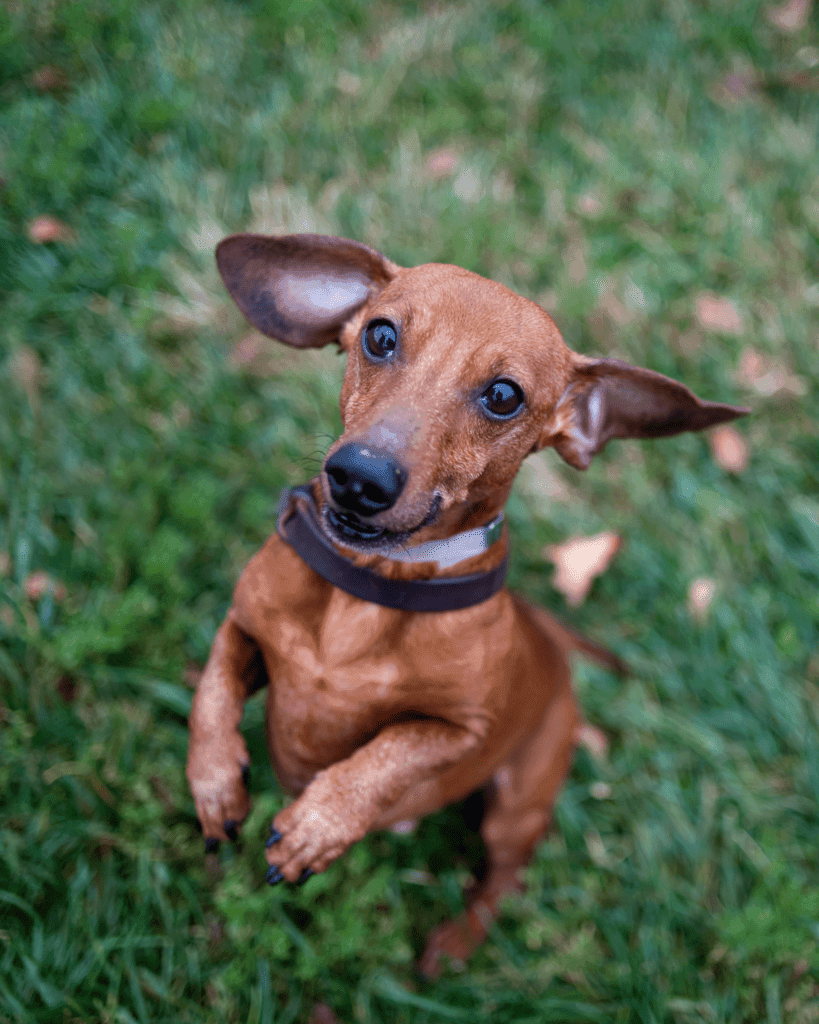
Choosing a small dog can bring immense joy, but training them effectively is key to a harmonious life together. While all dogs require consistency and patience, some small breeds are naturally more predisposed to learning and eager to please. This guide delves into the Easiest Small Dogs To Train, helping you find the perfect furry friend that fits seamlessly into your lifestyle and family.
Understanding Trainability in Small Dogs
Trainability isn’t just about a dog’s intelligence; it’s a blend of their innate desire to please their owner, their energy levels, and their focus. Small dogs, often bred for companionship, can excel in training when their specific needs and temperaments are understood. Key factors include:
- Intelligence: The ability to learn commands quickly.
- Eagerness to Please: A strong desire to make their owner happy, which motivates them during training sessions.
- Focus: The capacity to concentrate on training commands amidst distractions.
- Energy Levels: While some high-energy dogs can be trained, moderate energy levels often lend themselves to easier training, especially for first-time owners.
Top Small Dog Breeds That Are a Breeze to Train
When looking for a small dog that’s easy to train, consider breeds known for their adaptability, intelligence, and friendly nature. Here are some of the top contenders:
1. Poodle (Toy and Miniature)
Despite their fancy reputation, Poodles are exceptionally intelligent and highly trainable dogs. They are consistently ranked among the smartest breeds, making them quick learners. Their eagerness to please and their energetic, yet focused, nature makes them excel in obedience, agility, and even complex tricks. Toy and Miniature Poodles, in particular, are compact and adaptable to various living situations.
- Key Traits: Highly intelligent, eager to please, energetic, versatile.
- Training Tips: Poodles thrive on mental stimulation. Incorporate varied commands and puzzles to keep them engaged. Early socialization is crucial due to their sensitive nature.
2. Papillon
Don’t let their delicate appearance fool you; Papillons are surprisingly robust and intelligent little dogs. They are alert, friendly, and have a strong desire to learn. Their agility and quick wit make them adept at obedience and even dog sports like agility and rally. They respond well to positive reinforcement training methods.
- Key Traits: Intelligent, alert, friendly, agile, eager to learn.
- Training Tips: Papillons do well with short, consistent training sessions. They enjoy learning new tricks and commands, so keep training fun and engaging.
3. Shetland Sheepdog (Sheltie)
While they might be on the larger end of “small,” Shelties are manageable and incredibly intelligent. They were originally bred as working dogs, which contributes to their high trainability and strong desire to have a job to do. They are loyal, sensitive, and excel in obedience training, making them wonderful companions for active families. Understanding how to train dogs to pee outside is often straightforward with a breed as responsive as the Sheltie.
- Key Traits: Highly intelligent, loyal, sensitive, responsive, eager to work.
- Training Tips: Shelties benefit from clear boundaries and consistent training. They can be sensitive to harsh correction, so positive reinforcement is key. Their herding instincts may require management, especially around smaller children or other pets. If you’re interested in more advanced training, consider golden retriever service dog training principles as they often apply to other intelligent breeds.
4. Cavalier King Charles Spaniel
These charming dogs are known for their affectionate nature and desire to be by their owner’s side. Their sweet disposition is matched by a good level of intelligence and a willingness to learn. Cavaliers respond very well to positive reinforcement and enjoy training sessions that involve praise and treats. They are generally adaptable and can be relatively easy to potty train small dogs with patience.
- Key Traits: Affectionate, eager to please, adaptable, good-natured.
- Training Tips: Keep training sessions positive and rewarding. Cavaliers can be sensitive, so avoid excessive pressure. Their primary motivation is to be with their people, so incorporating training into daily life is effective.
5. Bichon Frise
Bichons are cheerful, curious, and playful dogs that are also quite intelligent. They possess a charming personality and a desire to learn, making them receptive to training. While they can have a mischievous streak, their willingness to please their owners makes them a good choice for those seeking a trainable small companion. Dog crate training tips can be particularly helpful for Bichons as they often adapt well to their crates as a safe space.
- Key Traits: Cheerful, curious, intelligent, playful, eager to please.
- Training Tips: Bichons respond well to patient and consistent training. Positive reinforcement, such as praise and small treats, works best. Socialization from a young age is important for this friendly breed.
6. Miniature Schnauzer
Miniature Schnauzers are spirited, intelligent, and alert dogs. They are known for their loyalty and their surprisingly high trainability. Bred as ratters and watchdogs, they have a keen mind and a desire to learn tasks. With consistent training and socialization, they can become well-behaved and adaptable companions. Training them requires a firm but fair approach, much like understanding dog collars training shock principles where consistency is paramount.
- Key Traits: Spirited, intelligent, alert, loyal, trainable.
- Training Tips: Miniature Schnauzers benefit from consistent, firm, yet positive training. They enjoy having a purpose, so obedience training and even some agility work can be very rewarding for them. Early socialization is vital to ensure they are comfortable around new people and situations.
Essential Tips for Training Any Small Dog
Regardless of breed, successful dog training hinges on several core principles:
- Start Early: Begin training and socialization as soon as you bring your puppy home.
- Consistency is Key: Use the same commands and rules consistently. Ensure all family members are on the same page.
- Positive Reinforcement: Reward desired behaviors with treats, praise, or toys. This makes training enjoyable for your dog.
- Keep Sessions Short and Fun: Small dogs, like all dogs, have short attention spans. Aim for multiple short sessions throughout the day rather than one long one.
- Socialization: Expose your puppy to various people, places, sounds, and other well-behaved dogs to build their confidence and prevent fear-based behaviors.
- Patience: Every dog learns at its own pace. Celebrate small successes and don’t get discouraged by setbacks.
- Manage Environment: Set up your home to set your dog up for success. For example, use baby gates or crates when unsupervised. Learning how to train dogs to pee outside becomes much easier when you manage their access to potty areas.
Common Training Challenges with Small Dogs and How to Address Them
While these breeds are generally easier to train, small dogs can sometimes present unique challenges:
- “Small Dog Syndrome”: This refers to behaviors like excessive barking, jumping, or leash reactivity, often stemming from inconsistent training or owners overlooking misbehavior because of the dog’s size. Solution: Train small dogs with the same rules and expectations as large dogs. Consistency and firm, positive guidance are essential.
- Leash Reactivity: Some small dogs can become reactive on a leash, barking at other dogs or people. Solution: Proper socialization, desensitization techniques, and positive reinforcement training can help manage this.
- House-training Accidents: While many small breeds are relatively easy to house-train, occasional accidents can happen. Solution: Stick to a strict schedule, provide ample potty breaks, and use enzymatic cleaners for accidents to eliminate odors.
The Reward of a Well-Trained Small Dog
The effort invested in training your small dog pays off immensely. A well-trained dog is a joy to live with, a confident companion, and a true member of the family. They are more adaptable, less prone to behavioral issues, and can participate more fully in family activities. Training strengthens the bond between you and your dog, built on trust, understanding, and shared experiences.
Choosing one of the easiest small dogs to train can make the journey smoother, but remember that dedication, patience, and positive methods are the cornerstones of success for any canine companion. Enjoy the process of discovering your dog’s potential and building a lifelong friendship.
