
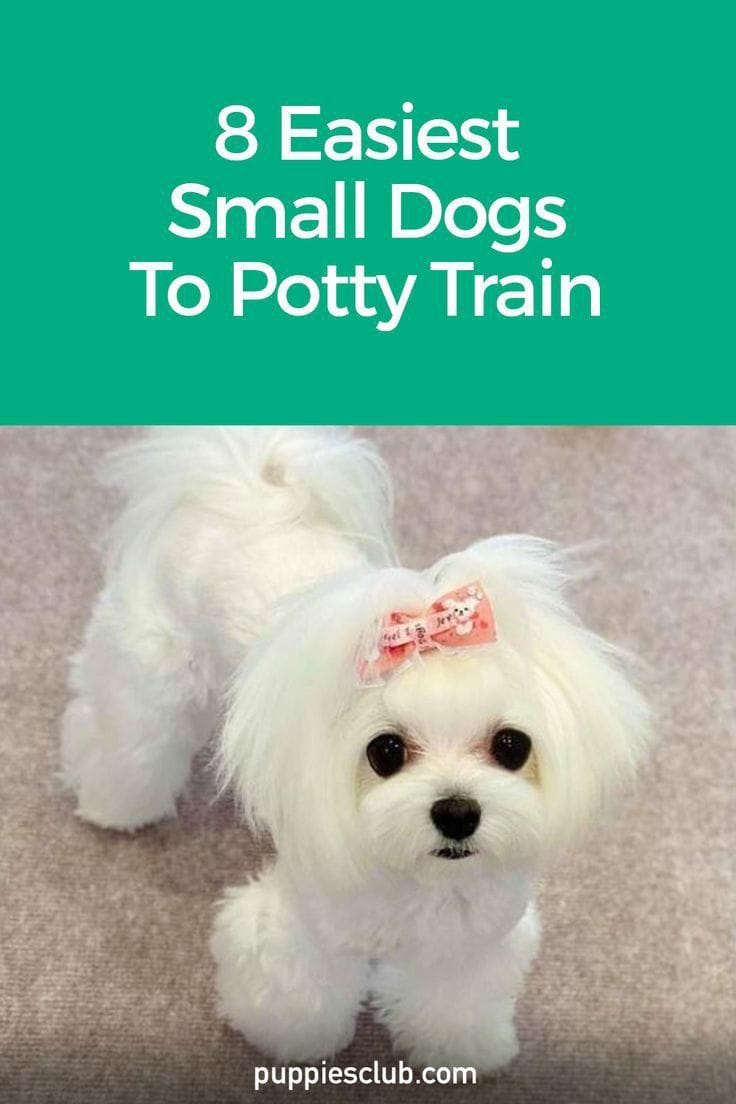
Bringing a new puppy into your home is an exciting experience, and one of the first major milestones is potty training. For small dog breeds, this process can sometimes feel a bit more challenging due to their size and potentially shorter attention spans. However, with the right approach, patience, and understanding, you can find that certain small breeds are surprisingly easy to potty train. This guide will delve into what makes a dog easy to housebreak and highlight some of the top contenders for the title of the Easiest Small Dog To Potty Train.
Understanding the factors that contribute to a dog’s trainability is key. While individual personalities play a significant role, breed characteristics often provide a good starting point. When considering the “easiest small dog to train and housebreak,” we look at traits such as intelligence, eagerness to please, and a lower propensity for stubbornness. Small dogs, in general, can be quicker to learn due to their desire to be close to their owners and receive positive reinforcement.
What Makes a Small Dog Easy to Potty Train?
Several factors contribute to a small dog’s success in potty training:
- Intelligence: Smarter dogs can often grasp the concept of where to eliminate more quickly. They are adept at associating certain actions with rewards.
- Eagerness to Please: Breeds that have a strong desire to make their owners happy are generally more responsive to training commands and more motivated to get things right.
- Size: While not always a direct factor, smaller dogs may have smaller bladders, requiring more frequent potty breaks initially. However, their smaller size can also mean less mess if an accident occurs.
- Temperament: A calm, confident, and non-anxious dog is often easier to train than one that is overly fearful or excitable.
- Consistency: Ultimately, the owner’s consistency in establishing a routine, offering rewards, and managing the environment is paramount. Even the “easiest” breed won’t train itself.
Top Small Dog Breeds Known for Easy Potty Training
While “easy” is subjective and depends heavily on the individual dog and owner, some small breeds consistently stand out for their trainability, including potty training. These breeds often possess a combination of intelligence and a desire to please.
1. Poodle (Toy and Miniature)
Poodles, in all their sizes, are renowned for their exceptional intelligence and trainability. Toy and Miniature Poodles are no exception. They are eager to please their owners and pick up on training cues quickly. Their desire for praise and their inherent cleanliness make them excellent candidates for early potty training success. Many owners find that with consistent routines and positive reinforcement, Poodles grasp the concept of eliminating outdoors rapidly. For those looking for [easy to house train dog breeds], the Poodle is often at the top of the list.
2. Papillon
Don’t let their delicate appearance fool you; Papillons are incredibly smart and attentive dogs. Bred as companion dogs, they thrive on interaction with their owners and have a strong desire to please. This eagerness, combined with their intelligence, makes them quick learners. Papillons can be trained to use a potty pad indoors or to go outside, often mastering the routine with relative ease. Their compact size also means they can be more easily managed during the initial stages of training.
3. Shetland Sheepdog (Sheltie)
Shelties are highly intelligent herding dogs that, despite their working breed background, make wonderful small companions. They are known for their loyalty and their keen desire to be useful and please their owners. This makes them very responsive to training. While they do require mental stimulation, their aptitude for learning means that essential tasks like potty training are usually picked up quickly. Their neatness also contributes to a smoother potty training experience.
4. Bichon Frise
The Bichon Frise is a cheerful and affectionate breed that typically has a good disposition for training. They are known for being relatively easy to train and are often described as people-pleasers. Their intelligence and adaptability allow them to pick up on routines quickly. While they can have periods of stubbornness, consistent positive reinforcement and a structured schedule are usually very effective for potty training this delightful small breed.
5. Cavalier King Charles Spaniel
Cavaliers are bred primarily as companions, and their main goal in life often seems to be pleasing their humans. This inherent desire to please, combined with a gentle nature, makes them quite trainable. They respond very well to positive reinforcement and can learn quickly. Potty training a Cavalier typically involves establishing a firm routine and rewarding them generously for successful outdoor potty breaks. They are often cited as one of the [easiest dog to train and housebreak] due to their sweet nature.
6. Miniature Schnauzer
Miniature Schnauzers are spirited, intelligent, and friendly dogs. They are known to be quite trainable and generally eager to learn. While they can sometimes have a bit of a stubborn streak, their intelligence means they can understand commands and routines relatively quickly. Consistent training and a clear schedule are key to success with this breed, but most owners find them to be good candidates for efficient potty training.
How to Potty Train Your Small Dog Effectively
Regardless of the breed, the success of potty training hinges on a consistent and positive approach. Here’s how to maximize your chances of success with your small companion:
Establish a Consistent Routine
This is the most crucial aspect of potty training. Take your puppy outside:
- Immediately after waking up.
- After every meal or drink.
- After playtime.
- Before bedtime.
- Every 1-2 hours initially for very young puppies.
Choose a specific spot in your yard for potty breaks and take your dog there every time.
Positive Reinforcement is Key
When your dog successfully eliminates in the designated spot, praise them enthusiastically and offer a high-value treat. This is where [best training treats for small dogs] can be incredibly useful. The reward should be immediate, reinforcing the positive association with pottying outside. Avoid punishing accidents; this can create fear and anxiety, making training more difficult. Instead, simply clean up the mess thoroughly with an enzymatic cleaner to eliminate odors that might attract your dog back to the same spot.
Crate Training
Crate training can be an invaluable tool for potty training small dogs. Dogs are naturally reluctant to soil their sleeping area. A crate should be just large enough for your dog to stand up, turn around, and lie down comfortably. If your dog is in the crate, you know they won’t have an accident. When you let them out, immediately take them to their potty spot. This helps [how to train a dog to be potty trained] more effectively by preventing accidents inside.
Supervision is Crucial
When your dog is not in their crate, they need to be supervised closely, especially in the initial stages. Watch for signs that they need to go, such as sniffing the ground intently, circling, or whining. If you see these signs, immediately take them outside. If you cannot supervise actively, it’s better to have them in their crate or a confined, puppy-proofed area.
Handling Accidents
Accidents are a part of the process. If you catch your dog in the act, interrupt them with a clap or a firm “no” and immediately take them outside. If you find a mess later, do not scold your dog. They won’t understand why they are being punished. Clean it up thoroughly and resolve to increase supervision or shorten the time between potty breaks.
Consider Indoor Potty Options
For small dogs, especially in apartment living or during inclement weather, indoor potty solutions can be helpful. This could include potty pads, a designated litter box, or a dog grass patch. The principles remain the same: consistency, positive reinforcement, and a designated spot. However, be aware that training a dog to use an indoor potty can sometimes make the transition to outdoor pottying more complex.
Common Challenges with Small Dogs and Potty Training
While some small breeds are naturally inclined towards easier potty training, challenges can still arise.
- Small Bladder Capacity: Puppies, especially small ones, have less bladder control. This means more frequent trips outside are necessary.
- “Accidental” Training: Sometimes, owners inadvertently reward their dog for going inside by giving them attention (even negative attention) after an accident.
- Medical Issues: Persistent accidents can sometimes indicate underlying medical problems, such as a urinary tract infection. If you suspect a medical issue, consult your veterinarian.
- Stubbornness: Some individuals within even the most biddable breeds can display stubbornness. Patience and varied training techniques are key here.
The Reward of a Well-Trained Companion
Potty training is a fundamental step in building a strong bond with your dog. It requires commitment and understanding, but the result is a well-behaved companion who can join you more freely in all aspects of your life. By choosing a breed known for trainability and applying consistent, positive training methods, you can make the potty training journey a successful and rewarding one. Remember, every dog is an individual, and celebrating their successes, no matter how small, is what makes the journey of raising a dog a truly special “Dog Care Story.”
