
Bringing a new puppy home is an exciting adventure, but it also comes with responsibilities, and perhaps the most significant one is potty training. While every dog is an individual, some breeds are renowned for picking up house-training cues more quickly than others. If you’re looking for a furry friend who’s a bit easier to train in this area, you’re in the right place. This guide explores the Easiest Dogs To Potty Train, offering insights into why they excel and how you can support their learning process. Understanding your dog’s breed characteristics can significantly streamline potty training and lead to a more harmonious life together. For those specifically seeking smaller companions that are relatively simple to house-train, exploring resources on easiest small dog to potty train can be particularly beneficial.
Understanding Potty Training Success Factors
Before diving into specific breeds, it’s crucial to understand what makes a dog easier to potty train. Several factors contribute to a dog’s ability to learn quickly:
- Intelligence and Trainability: Breeds known for their intelligence and eagerness to please often pick up commands, including potty training, faster.
- Temperament: A calm, confident, and adaptable temperament generally leads to smoother training. Anxious or overly independent dogs might require a different approach.
- Energy Levels: While not always a direct correlation, very high-energy dogs might need more frequent potty breaks simply because they need to go more often. Lower to moderate energy breeds can sometimes be easier to establish a routine with.
- Size: Smaller breeds can sometimes be more challenging due to their smaller bladder capacity, meaning they need to go out more frequently. However, some small breeds are exceptionally bright and quick learners. Conversely, very large breeds might require more effort simply due to their size and the volume they produce.
- Previous Experiences: A dog’s history, especially if they were previously housetrained or, unfortunately, not, can impact training speed. Rescue dogs may require patience and a consistent approach.
Top Breeds Known for Being Easy to Potty Train
While individual results can vary, certain breeds consistently appear on lists of dogs that are generally easier to potty train. Here are some of the top contenders:
1. Labrador Retriever
Labradors are famously intelligent, eager to please, and highly trainable. Their amiable nature and strong desire to make their owners happy make them quick learners. They respond well to positive reinforcement and consistent routines. Their moderate energy levels, when channeled correctly, don’t usually interfere with established potty schedules.
2. Poodle (Standard, Miniature, Toy)
Poodles, in all their sizes, are exceptionally intelligent and have a strong work ethic. They are known for their quick learning abilities and a desire to avoid soiling their living space, a trait that aids immensely in potty training. Their intelligence means they can grasp the concept of outdoor elimination quickly.
3. German Shepherd
German Shepherds are highly intelligent, loyal, and trainable dogs. Bred for working alongside humans, they possess a strong desire to cooperate and learn. Their intelligence allows them to understand expectations readily, making them generally straightforward to house-train with consistent effort.
4. Golden Retriever
Similar to their Labrador cousins, Golden Retrievers are intelligent, patient, and eager to please. These traits make them highly receptive to training, including potty training. They are known for their gentle nature and their commitment to learning the rules of the household.
5. Border Collie
Widely considered one of the most intelligent dog breeds, Border Collies excel in obedience and learning. Their sharp minds mean they can pick up on potty training cues very quickly. However, their high energy levels require consistent training and plenty of mental and physical stimulation to prevent boredom-related accidents.
6. Australian Shepherd
Australian Shepherds are another highly intelligent herding breed that is known for its trainability. They are quick learners and generally motivated to please their owners. Consistent positive reinforcement works wonders with this breed.
7. Cavalier King Charles Spaniel
These charming spaniels are known for their affectionate nature and their desire to be close to their owners. This desire to please and their intelligence makes them relatively easy to potty train. They are adaptable and thrive on positive interaction, which speeds up the learning process.
8. Bichon Frise
Bichon Frises are cheerful and intelligent little dogs. They have a natural inclination to be clean and are often relatively easy to house-train. Positive reinforcement and a consistent schedule are key to success with this breed.
9. Shih Tzu
While some smaller breeds can present challenges, Shih Tzus are often noted for being quite trainable. They are intelligent and can be motivated by treats and praise, making the process of learning where to go more engaging for them.
10. Papillon
These small, elegant dogs are surprisingly intelligent and agile learners. Papillons often have a good grasp of what is expected of them during training sessions, including potty breaks. Their small size means frequent trips outside, but their quick understanding can make the overall process smoother.
For those focusing on specific training aspects like housebreaking, understanding how to train a dog to be potty trained is crucial, regardless of breed.
Essential Potty Training Strategies for Any Dog
Regardless of the breed you choose, consistent and positive potty training strategies are paramount. Here’s a breakdown of effective methods:
1. Establish a Consistent Schedule
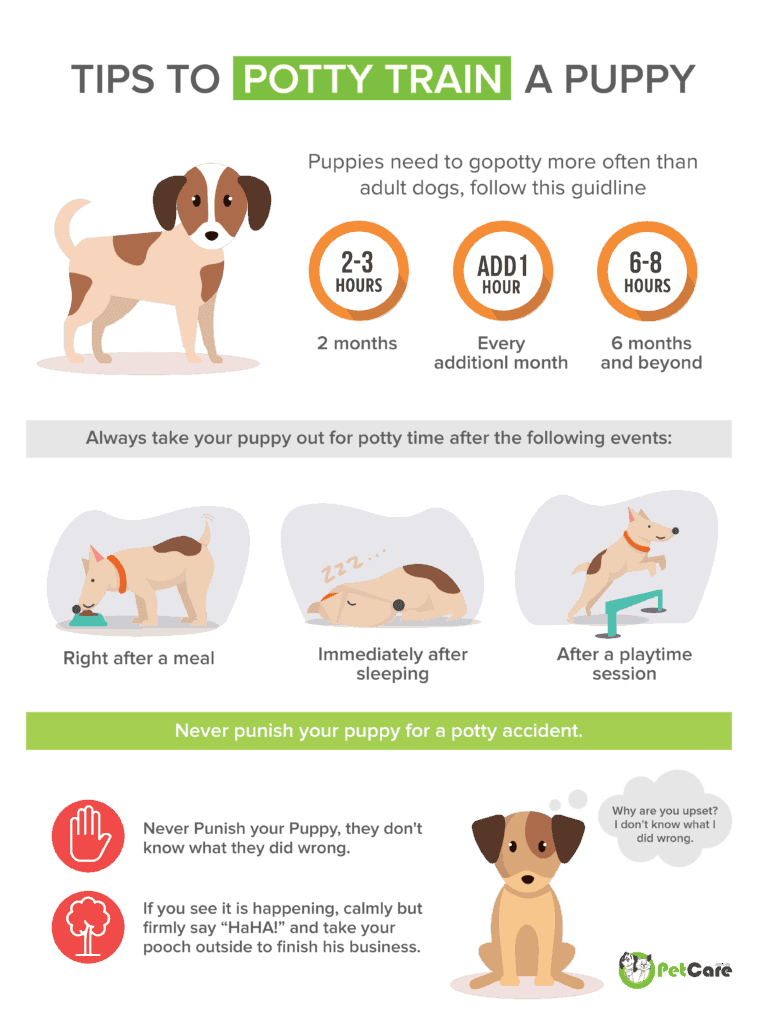
- Frequency: Puppies need to go out very frequently, especially after waking up, after eating or drinking, after playing, and before bedtime. A general rule of thumb for puppies is they can hold it for about one hour per month of age, plus one. So, a 3-month-old puppy might be able to hold it for about 4 hours.
- Timing: Take your dog to the same designated potty spot outside every single time. Repetition helps them associate the spot with elimination.
2. Learn to Recognize the Signs
- Pre-Potty Cues: Watch for signs like sniffing the ground intently, circling, whining, or heading towards the door. React immediately by taking them outside.
3. Positive Reinforcement is Key
- Praise and Rewards: When your dog successfully eliminates outdoors, offer immediate and enthusiastic praise, a favorite treat, or a special toy. This positive association is the most effective motivator.
- Avoid Punishment: Never punish your dog for accidents. Scolding or rubbing their nose in it after the fact is ineffective and can create fear and anxiety, making them more likely to hide when they need to go, which hinders training.
4. Crate Training
- Den Instinct: Dogs naturally avoid soiling their sleeping area. A crate, used correctly, can help prevent accidents indoors when you can’t supervise directly. Ensure the crate is the right size – large enough for them to stand up, turn around, and lie down, but not so large they can relegate one end as a bathroom.
- Supervised Outings: Always supervise your dog when they are out of the crate, especially during the initial training phases.
5. Cleaning Up Accidents Effectively
- Enzymatic Cleaners: Use an enzymatic cleaner specifically designed for pet messes. These cleaners break down the odor-causing molecules, preventing your dog from being attracted back to the same spot by residual smells. Regular household cleaners may not be sufficient.
6. Socialization and Experience
- Early Socialization: Exposing your puppy to various sights, sounds, and environments during their critical socialization period (typically up to 16 weeks) can help them become more confident and adaptable, which aids in training.
- Owner Experience: For breeds that are generally easy to house train dog breeds, the owner’s consistency and understanding are often the biggest determinants of success.
The Role of Breed Specific Training Approaches
While general principles apply to all dogs, some breeds might benefit from slight adjustments in their training approach. For instance, high-drive breeds like Border Collies or Australian Shepherds may require more vigorous physical and mental exercise to be in the right frame of mind for training. Breeds that are prone to separation anxiety might need extra reassurance and gradual introductions to crate training. Always research the specific needs and quirks of the breed you choose. Understanding how to approach training for specific types of dogs, such as focusing on gun dog puppy training techniques, can also be beneficial if that aligns with your lifestyle.
It’s also worth noting that breeds labeled as easy to house train dogs often possess a combination of intelligence and a strong desire to please their human companions. This makes them excellent candidates for first-time dog owners.
Patience and Consistency: The Ultimate Potty Training Tools
Ultimately, the “easiest” dog to potty train is one that receives consistent, positive, and patient training from its owner. Even the most naturally gifted breeds can struggle if their training is haphazard or if they are met with frustration. Celebrate the successes, learn from the accidents, and remember that building a strong bond with your dog through positive training is as rewarding as having a spotless home. Every dog is an individual, and with the right approach, you can successfully navigate the potty training journey with your canine companion.
