
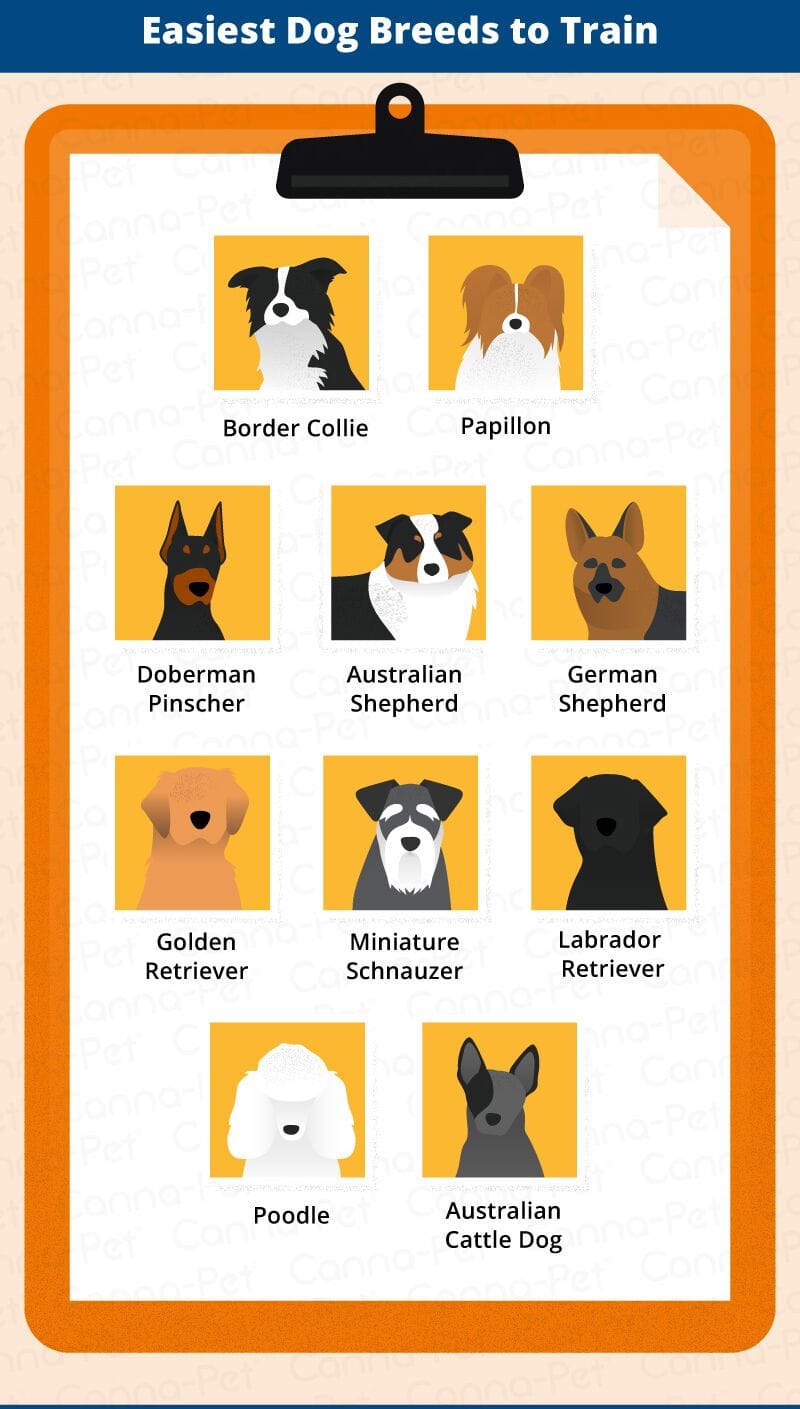
Embarking on the journey of dog ownership is incredibly rewarding, but for many, the thought of training can be daunting. The good news is, not all dogs are created equal when it comes to learning. Some breeds are naturally predisposed to understanding and following commands, making the training process smoother and more enjoyable for both you and your canine companion. If you’re looking for a furry friend who’s eager to please and quick to pick up new tricks, this guide to the easiest dog breeds to train is for you. We’ll explore the top contenders, their unique traits, and why they make such fantastic learners.
Understanding Trainability in Dogs
Before diving into specific breeds, it’s important to understand what makes a dog “easy to train.” Trainability isn’t just about a dog’s intelligence; it’s a combination of factors:
- Willingness to Please: Some breeds have an innate desire to make their owners happy, which is a massive advantage in training.
- Intelligence and Problem-Solving: While not the sole factor, a dog’s ability to understand and recall commands is crucial.
- Energy Levels and Focus: Dogs with moderate energy and the ability to focus during training sessions tend to learn faster. High-energy dogs, while intelligent, can sometimes be easily distracted.
- Temperament: A stable, confident, and social temperament generally leads to a more receptive learner. Anxious or overly fearful dogs may require more specialized training approaches.
- Breed History and Purpose: Dogs bred for specific tasks, like herding or retrieving, often possess a higher degree of trainability because their original jobs required them to work closely with humans and follow instructions.
What are the Easiest Dogs to Train?
The breeds consistently ranking high in trainability are those that combine a strong work ethic with a desire to bond with their human families. These dogs often excel in obedience competitions and make excellent service or therapy animals.
The Top 10 Easiest Dog Breeds to Train
Let’s explore the breeds that stand out for their remarkable trainability:
1. Border Collie
Often hailed as the most intelligent dog breed, Border Collies are exceptionally trainable. Originally bred for herding sheep, they possess an incredible work drive and a deep understanding of human cues. Their intelligence means they can learn complex tasks quickly, but it also means they need consistent mental stimulation to prevent boredom and potential behavioral issues.
- Pros: Extremely intelligent, highly trainable, eager to please, excels in dog sports.
- Cons: High energy, requires significant mental and physical exercise, can be sensitive.
2. Poodle (Standard, Miniature, Toy)
Don’t let their elegant appearance fool you; Poodles are incredibly smart and athletic dogs. They were originally bred as water retrievers, requiring intelligence and obedience. Poodles are known for their exceptional problem-solving skills and are highly responsive to training. Their hypoallergenic coat is a bonus for many owners, though it does require regular grooming.
- Pros: Highly intelligent, adaptable, eager to please, good with families, low-shedding.
- Cons: Requires regular grooming, can be prone to separation anxiety.
3. German Shepherd
A popular choice for police, military, and service work, German Shepherds are renowned for their loyalty, courage, and trainability. They are highly intelligent and have a strong desire to work and protect their families. Consistent training and socialization from a young age are key to harnessing their potential.
- Pros: Highly intelligent, loyal, protective, versatile, excels in various dog sports and working roles.
- Cons: Requires significant training and socialization, can be prone to certain health issues, needs regular exercise.
4. Golden Retriever
Golden Retrievers are a perennial favorite for a reason. Their friendly, patient, and eager-to-please nature makes them one of the easiest breeds to train. They are intelligent, highly social, and thrive on human interaction, making training a bonding experience. Their retrieving instinct also means they love to learn and perform tasks.
- Pros: Extremely friendly, patient, eager to please, highly trainable, great family dogs.
- Cons: High grooming needs, prone to shedding, requires regular exercise.
5. Doberman Pinscher
Doberman Pinschers are striking dogs known for their loyalty and alertness. They are highly intelligent and, with consistent and firm training, can become exceptionally well-behaved companions. Their protective instincts, combined with their trainability, make them excellent guard dogs and devoted family members.
- Pros: Highly intelligent, loyal, protective, athletic, trainable.
- Cons: Requires early and consistent socialization and training, can be sensitive to harsh methods, needs ample exercise.
6. Shetland Sheepdog (Sheltie)
Shelties are often described as “big dogs in a small package.” These intelligent and agile herding dogs are highly responsive to training and eager to please their owners. They form strong bonds with their families and excel in obedience and agility trials. Their sensitivity means they respond best to positive reinforcement methods.
- Pros: Very intelligent, loyal, good watchdogs, highly trainable, agile.
- Cons: Can be prone to barking, requires regular grooming, needs mental stimulation.
7. Labrador Retriever
Consistently one of the most popular breeds worldwide, Labrador Retrievers are celebrated for their outgoing nature and trainability. Bred as retrieving dogs, they are intelligent, eager to please, and food-motivated, which can be a significant advantage during training. They are adaptable and thrive in various environments, making them wonderful family pets.
- Pros: Friendly, outgoing, highly trainable, adaptable, excellent family dogs.
- Cons: Prone to shedding, requires regular exercise, can be prone to obesity if overfed.
8. Papillon
Don’t underestimate this small breed! Papillons are surprisingly intelligent and highly trainable dogs. Their name means “butterfly” in French, referring to their distinctive wing-like ears. They possess a keen mind and a cheerful disposition, making them excellent candidates for obedience and agility training.
- Pros: Highly intelligent, energetic, eager to please, small size, trainable.
- Cons: Can be prone to separation anxiety, requires some grooming, may be fragile.
9. Australian Cattle Dog
Also known as a Blue Heeler or Red Heeler, the Australian Cattle Dog is an intelligent and energetic breed developed for herding cattle over long distances. They are known for their loyalty and strong work ethic, making them highly trainable for owners who can provide them with consistent leadership and plenty of activity.
- Pros: Highly intelligent, loyal, energetic, durable, trainable for work and sport.
- Cons: Very high energy needs, requires consistent training and socialization, can be wary of strangers.
10. Rottweiler
While sometimes misunderstood, Rottweilers are intelligent, confident, and robust dogs that are highly trainable when given proper guidance. Bred for work, they possess a natural guarding instinct and a strong desire to be with their families. Early socialization and firm, consistent training are crucial for a well-adjusted Rottweiler.
- Pros: Intelligent, loyal, protective, confident, trainable with experienced owners.
- Cons: Requires extensive socialization and training, strong guarding instincts, needs experienced handling.
Tips for Training the Easiest Dogs to Train
Even with breeds that are naturally inclined to learn, a few key principles will ensure success:
- Start Early: The younger you start training, the better. Puppies are like sponges, eager to learn the rules of their new home.
- Positive Reinforcement: Reward good behavior with treats, praise, and play. This method builds a positive association with training and strengthens your bond.
- Consistency is Key: Use the same commands and rules every time. Inconsistency can confuse your dog and slow down the learning process.
- Keep it Fun: Training sessions should be engaging and enjoyable. Short, frequent sessions are often more effective than long, drawn-out ones.
- Socialization: Expose your dog to various people, places, sounds, and other animals from a young age. This helps them become well-adjusted and confident.
- Manage Expectations: While these breeds are considered easy to train, each dog is an individual. Some may learn faster than others, and some might have specific quirks.
How to Train a Dog for Agility?
Agility training is a fantastic way to channel the energy and intelligence of trainable breeds. It involves guiding your dog through an obstacle course, testing their speed, obedience, and coordination. Key elements include teaching commands for each obstacle, building confidence, and ensuring clear communication between you and your dog. Breeds like Border Collies, Australian Cattle Dogs, and Poodles often excel in this sport due to their natural athleticism and desire to work.
What Dog Breed is the Easiest to Train for Families?
For families, breeds like the Golden Retriever and Labrador Retriever often top the list. Their friendly dispositions, patience, and eagerness to please make them highly compatible with children and the general chaos of family life. They are also forgiving of minor training mishaps that might occur with novice owners.
Conclusion: The Joy of a Well-Trained Companion
Choosing one of the easiest dog breeds to train can significantly enhance the experience of bringing a new pet into your home. These breeds offer the potential for a deep, fulfilling relationship built on mutual understanding and respect, largely thanks to their innate ability and willingness to learn. Remember that while breed characteristics provide a helpful guide, your dedication, patience, and positive training methods are the most crucial factors in shaping your canine companion into a well-behaved and beloved member of your family. Happy training!
