
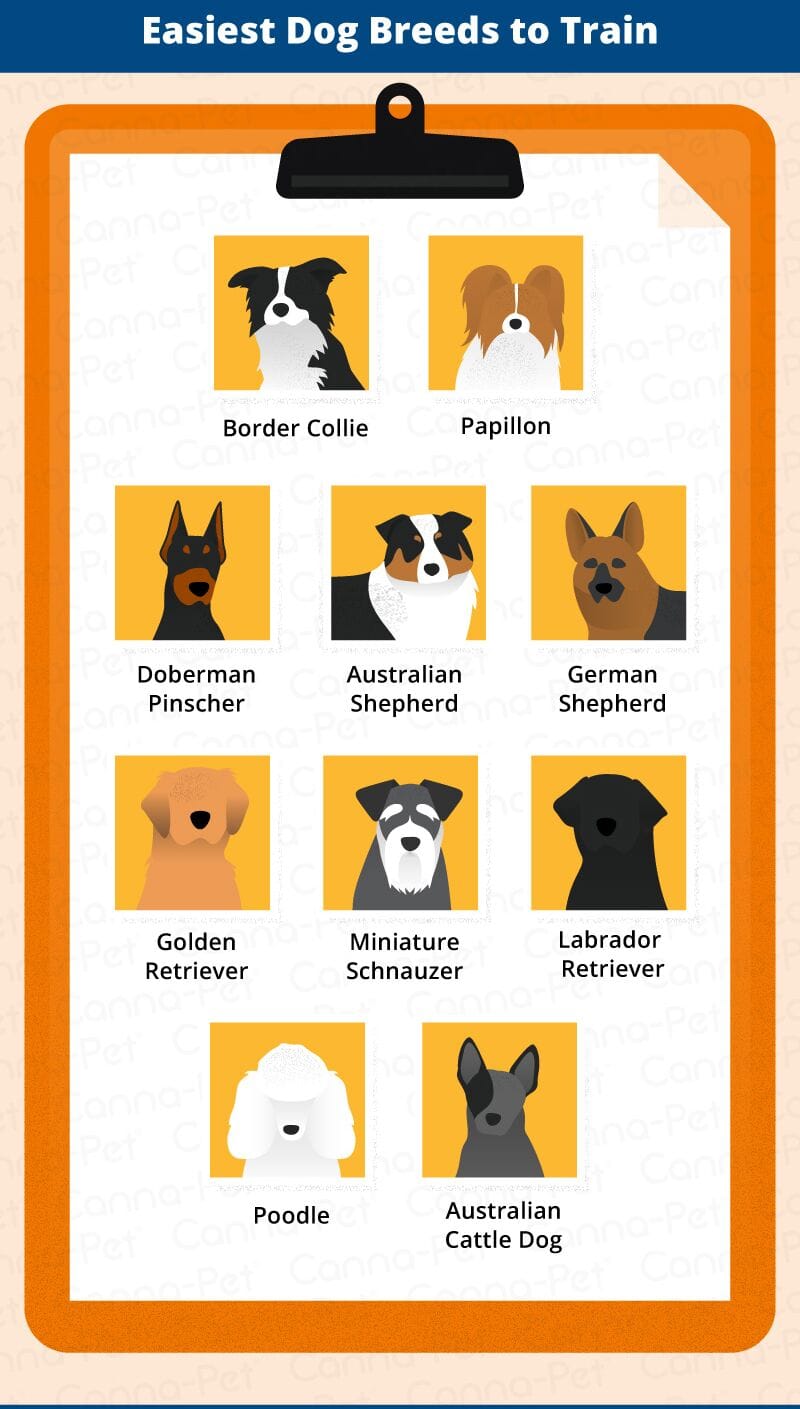
Bringing a new dog into your life is an incredibly rewarding experience, but it also comes with the responsibility of training. For many owners, the idea of training can seem daunting, especially if they’re new to dog ownership or have had challenging experiences in the past. The good news is that some dog breeds are naturally predisposed to learning and eager to please, making the training process significantly smoother and more enjoyable. If you’re looking for a canine companion that’s a joy to train, you’re in the right place. We’ll explore the Easiest Breeds Of Dogs To Train, discussing why they excel in obedience and what you can expect when welcoming one into your home.
Understanding What Makes a Breed “Easy to Train”
Before diving into specific breeds, it’s helpful to understand the traits that contribute to a dog being considered “easy to train.” These characteristics are often rooted in a breed’s history, purpose, and inherent temperament.
- Intelligence: While all dogs are intelligent in their own ways, some breeds possess a higher capacity for understanding and retaining commands. Breeds often cited in intelligence rankings, like those by Stanley Coren, tend to be easier to train.
- Eagerness to Please: Dogs with a strong desire to make their owners happy are more motivated during training sessions. This “people-pleasing” nature means they are more likely to respond positively to your cues and efforts.
- Trainability: This is a combination of intelligence and willingness. Some breeds are not only smart but also have been bred for tasks that require close cooperation with humans, such as herding, retrieving, or guarding.
- Temperament: A stable, confident, and adaptable temperament is crucial. An overly anxious, fearful, or stubborn dog will present more training challenges, regardless of their intelligence.
- Energy Levels: While not a direct measure of trainability, managing a dog’s energy is part of the training process. Breeds with moderate energy levels that can be channeled into training and exercise are often easier to manage.
Top Dog Breeds Known for Their Trainability
Based on the criteria above, several breeds consistently rank high when it comes to ease of training. These dogs are often recommended for first-time owners and experienced handlers alike.
1. Border Collie
Often topping lists of the most intelligent dog breeds, Border Collies are exceptionally smart and quick learners. Bred for herding sheep, they possess an innate understanding of complex commands and work ethic. Their intense focus and desire to have a “job” make them thrive in obedience training, agility, and other dog sports.
- Why they’re easy to train: High intelligence, strong desire to work and please, exceptional focus.
- Considerations: They require significant mental and physical stimulation. Without adequate outlets, they can become bored and develop behavioral issues. Their intensity might be overwhelming for some owners. Training a Border Collie effectively often involves learning their language and providing them with consistent challenges.
2. Poodle (Standard, Miniature, Toy)
Poodles are renowned for their intelligence and versatility. They come in three size varieties, but all share the same sharp minds and eagerness to learn. Poodles excel in obedience and are often used in performance dog events due to their ability to master complex routines. They are also known for being very people-oriented.
- Why they’re easy to train: High intelligence, adaptable, eager to please, and responsive.
- Considerations: Poodles require regular grooming to maintain their coat. While intelligent, they can also develop “small dog syndrome” if not trained and socialized properly from a young age, regardless of size. Their intelligence means they can also learn undesirable behaviors if not consistently guided.
3. German Shepherd
German Shepherds are a popular choice for police work, military service, and as family protectors, all of which require extensive training. They are highly intelligent, loyal, and courageous dogs. Their natural protective instincts, combined with their eagerness to work alongside humans, make them incredibly responsive to training.
- Why they’re easy to train: High intelligence, loyalty, strong work drive, protective nature translates to responsiveness.
- Considerations: German Shepherds need consistent training and socialization from puppyhood. They require a confident leader and benefit from jobs or tasks to stay engaged. Early exposure to various people, environments, and other animals is crucial to prevent potential fear-based aggression or shyness. Consistent training, much like 6 month old dog training, is key for this breed.
4. Golden Retriever
Golden Retrievers are consistently among the most popular dog breeds, and for good reason. They are known for their friendly, tolerant attitude and their incredible patience. Their intelligence and eagerness to please make them a dream to train for basic obedience and more advanced tasks. They are particularly good with children and other pets.
- Why they’re easy to train: Highly intelligent, very eager to please, friendly and stable temperament, good retrieving instincts.
- Considerations: Goldens are active dogs that need regular exercise. They are also prone to shedding and require regular grooming. Their outgoing nature means they can be easily distracted if training isn’t engaging enough.
5. Labrador Retriever
Much like their Golden cousins, Labrador Retrievers are celebrated for their outgoing personalities and intelligence. Bred as working dogs to retrieve waterfowl, they have a natural instinct to work with people and a strong desire to please. Labs are highly trainable and excel in various roles, from service dogs to family pets.
- Why they’re easy to train: High intelligence, strong retrieving instinct, eager to please, adaptable and friendly.
- Considerations: Labs have high energy levels and need plenty of exercise. They can be prone to chewing if bored or left alone for extended periods. Their enthusiasm can sometimes be overwhelming for very small children if not managed.
6. Doberman Pinscher
Doberman Pinschers are known for their sleek appearance and alert nature. They are highly intelligent, loyal, and fearless dogs that form strong bonds with their families. Bred for guarding, they are incredibly trainable and responsive to their owners’ commands. With proper socialization, they make devoted and well-behaved companions.
- Why they’re easy to train: High intelligence, loyalty, protective instincts, responsiveness to handler.
- Considerations: Dobermans require consistent training and socialization from a young age. They are sensitive dogs and respond best to positive reinforcement methods. Their high energy levels necessitate regular exercise and mental engagement.
7. Australian Cattle Dog (Blue Heeler)
Australian Cattle Dogs, often called Blue Heelers, are intelligent, energetic, and highly capable working dogs. Bred for herding cattle over vast distances, they are known for their problem-solving abilities and resilience. Their intelligence and drive make them quick learners, though they do require consistent and engaging training.
- Why they’re easy to train: High intelligence, strong work ethic, problem-solving skills, responsive to commands.
- Considerations: These dogs have extremely high energy needs and require significant physical and mental exercise. They are not suited for sedentary lifestyles. Their herding instincts can sometimes manifest as nipping at heels if not properly channeled through training and exercise. Learning how to train a blue heeler dog requires understanding their specific needs.
8. Shetland Sheepdog (Sheltie)
Shetland Sheepdogs, or Shelties, are intelligent, agile, and eager to please. They are often described as “velcro dogs” because they form strong attachments to their families. Their herding background means they are sensitive to their owner’s commands and quick to learn. They excel in obedience, agility, and other dog sports.
- Why they’re easy to train: High intelligence, eagerness to please, sensitivity to owner’s cues, strong bonding.
- Considerations: Shelties can be prone to barking, especially if bored or not properly socialized. They also require regular grooming. Their sensitivity means they respond best to gentle, positive training methods.
9. Papillon
Don’t let their small size fool you; Papillons are exceptionally intelligent and thrive on activity and training. The name “Papillon” means “butterfly” in French, referring to their distinctive wing-like ears. These alert and friendly dogs are surprisingly trainable and often do well in agility and obedience competitions.
- Why they’re easy to train: High intelligence, energetic, eager to learn, people-oriented.
- Considerations: Due to their small size, they need to be protected from rough play and larger dogs. While intelligent, they can sometimes be a bit stubborn, requiring patient and consistent training.
10. Rottweiler
Rottweilers are powerful, confident, and courageous dogs. When properly trained and socialized from a young age, they are calm, devoted, and loving companions. Their intelligence and desire to work make them highly trainable for various tasks and obedience.
- Why they’re easy to train: Intelligent, confident, strong bond with family, willing to work.
- Considerations: Rottweilers require early and consistent socialization and training by a confident handler. Their strength and protective nature mean that training is not optional but essential. Understanding commands in different languages, like dog training german words, can be part of their comprehensive training.
Key Principles for Training Any Dog Breed
While certain breeds make training easier, remember that every dog benefits from consistent, positive training. Here are some fundamental principles that apply to all dogs:
- Start Early: Begin training and socialization as soon as you bring your puppy home. The critical socialization window for puppies is typically between 3 and 16 weeks of age.
- Positive Reinforcement: Use rewards such as praise, treats, and toys to reinforce desired behaviors. Punishment-based methods can create fear and anxiety, hindering the training process.
- Consistency is Key: All family members should be on the same page regarding commands, rules, and reward systems. Inconsistency confuses dogs and slows progress.
- Short, Frequent Sessions: Dogs, especially puppies, have short attention spans. Aim for multiple short training sessions (5-10 minutes) throughout the day rather than one long one.
- Patience and Understanding: Every dog learns at their own pace. Celebrate small victories and don’t get discouraged by setbacks. Understanding your dog’s breed-specific needs, like training a sheep dog, can be very helpful.
- Socialization: Expose your dog to a variety of people, places, sounds, and other animals in a positive and controlled manner. This helps them become well-adjusted and confident.
- Mental Stimulation: Beyond physical exercise, dogs need mental challenges to prevent boredom and destructive behaviors. Puzzle toys, training games, and learning new tricks are excellent ways to provide this.
Conclusion: The Joy of a Well-Trained Dog
Choosing a breed known for its trainability can indeed make the journey of bringing a dog into your life significantly more manageable and enjoyable. Breeds like the Border Collie, Poodle, German Shepherd, and Golden Retriever, among others, offer a wonderful combination of intelligence and eagerness to please, setting you up for success. However, remember that the bond you build and the effort you invest in training are paramount, regardless of the breed. By applying consistent, positive reinforcement and understanding your dog’s individual needs, you can foster a deep connection and enjoy the profound rewards of living with a well-behaved and happy canine companion. The “Dog Care Story” is about cherishing these moments and building a life of understanding and partnership with our four-legged friends.
