
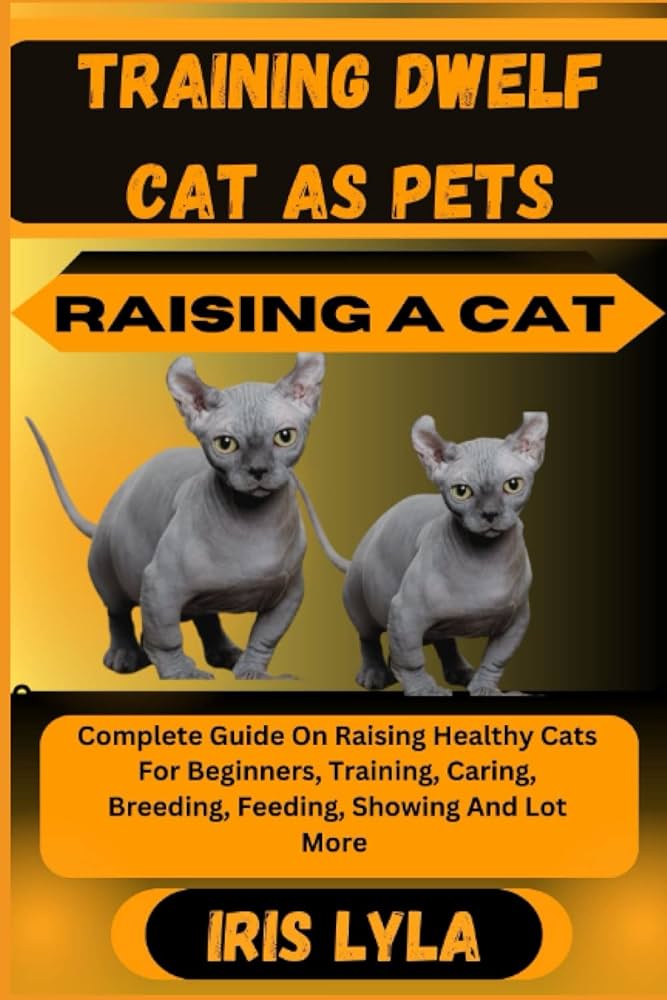
Dwelf Cats are a unique and fascinating breed that has captured the hearts of cat lovers worldwide. With their distinct appearance and charming personalities, these miniature feline wonders have become increasingly popular in recent years. This article delves into the mysteries surrounding Dwelf cats, exploring their origin, physical characteristics, personality, health, and care requirements. Join us as we unravel the enigma of Dwelf cats.
The Dwelf breed emerged in the United States in the early 2000s, the result of a deliberate crossbreeding between the Sphynx, Munchkin, and American Curl breeds. The objective was to create a cat possessing the hairlessness of the Sphynx, the short legs of the Munchkin, and the curled ears of the American Curl. This meticulous process required patience, expertise, and a deep understanding of feline genetics to achieve the desired traits and maintain the overall vitality of this unique feline breed.
Understanding the Origin of Dwelf Cats
The development of Dwelf cats is a testament to selective breeding. Breeders carefully selected cats exhibiting the desired traits—hairlessness, short legs, and curled ears—and bred them together. This strategic approach aimed to establish a visually striking breed while prioritizing the health and well-being of the cats. Through this process, responsible breeders focus on genetic diversity and screening for hereditary health issues, contributing to the overall vitality and longevity of the Dwelf breed.
The Unique Genetic Makeup of Dwelf Cats
The genetic composition of Dwelf cats is a direct result of their parent breeds. The Sphynx contributes the characteristic hairlessness or minimal coat, while the Munchkin influences their distinctive short legs. The American Curl’s genes are responsible for their unique, inwardly curved ears. This combination results in a cat that is visually striking and distinct from any other breed.
The Role of Selective Breeding in Dwelf Cats’ Development
Selective breeding was paramount in establishing the Dwelf cat breed. By carefully choosing parent cats with specific traits and ensuring genetic diversity, breeders aimed to produce healthy offspring that embodied the breed’s defining characteristics. This dedicated effort has been key to the breed’s development and the establishment of its unique identity within the feline world.
Physical Characteristics of Dwelf Cats
Dwelf cats possess a striking set of physical attributes that set them apart. Their unique combination of traits, stemming from their parent breeds, makes them instantly recognizable.
Size and Weight
Dwelf cats are generally small to medium in size. Despite their short legs, they are well-muscled and surprisingly agile. Adult Dwelf cats typically weigh between 5 to 9 pounds (2.3 to 4.1 kg). Their compact size allows them to navigate their environment with ease and often fit into cozy nooks and crannies, adding to their charm.
Coat and Colors
The most defining physical characteristic of Dwelf cats is their lack of a full coat. They are predominantly hairless, though some may have a fine downy fuzz or sparse hair on their bodies. This lack of fur highlights their wrinkled skin, which is a prominent feature. Dwelf cats can display a wide array of colors and patterns, including solid colors, tabby markings, tortoiseshell, and various bi-color combinations. Due to their lack of fur, their skin requires regular care to stay healthy and protected from environmental factors like sun exposure and temperature extremes.
Distinctive Features
Beyond their hairlessness and short legs, Dwelf cats possess other unique features. Their ears, inherited from the American Curl, are gently curved inwards, giving them an expressive and slightly whimsical appearance. They often have large, wide-set eyes that contribute to their alert and curious expression. The combination of these features creates a cat that is both endearing and distinctly unusual.
Dwelf Cats’ Personality and Temperament
Dwelf cats are celebrated not only for their unique appearance but also for their engaging and affectionate personalities. They are known to be social, playful, and deeply attached to their human families.
Interaction with Humans
Dwelf cats thrive on human interaction and often form strong bonds with their owners. They are known for their affectionate nature, frequently seeking out cuddles and companionship. These cats enjoy being involved in their human’s daily activities, often following them from room to room. Their playful antics and curious exploration of their surroundings make them entertaining companions.
Behavior with Other Pets
When introduced carefully and given time to acclimate, Dwelf cats generally coexist well with other pets, including dogs and other cats. Their sociable and curious nature helps them adapt to multi-pet households, fostering a harmonious living environment. Proper introductions and supervision are key to ensuring positive relationships between Dwelf cats and other animals in the home.
Health and Lifespan of Dwelf Cats
Dwelf cats are generally a healthy breed, but like all purebred cats, they can be prone to certain health issues inherited from their parent breeds.
Common Health Issues
Due to their hairless nature, Dwelf cats can be susceptible to skin conditions such as sunburn and dryness. Protection from direct sunlight and the use of moisturizing lotions designed for cats may be necessary. Respiratory issues can sometimes arise due to the genetic makeup inherited from the Sphynx. Additionally, their curled ears may require regular cleaning to prevent wax buildup and potential infections. Regular veterinary check-ups are crucial for monitoring their health and addressing any concerns promptly.
Lifespan and Aging
With proper care, a balanced diet, and regular veterinary attention, Dwelf cats typically have a lifespan of 12 to 15 years. Factors such as genetics, lifestyle, and the quality of care they receive can influence their longevity. Providing a safe, stimulating, and loving environment will contribute to a long and happy life for a Dwelf cat.
Caring for a Dwelf Cat
Caring for a Dwelf cat involves attention to their specific needs, particularly those related to their unique physical characteristics.
Dietary Requirements
A high-quality, balanced diet is essential for maintaining the health and energy levels of Dwelf cats. Due to their minimal body fat and lack of insulating fur, they may require a diet slightly higher in calories to help them regulate body temperature. Consulting with a veterinarian to determine the most appropriate diet based on the cat’s age, activity level, and any specific health needs is recommended. Access to fresh water at all times is also crucial.
Grooming Needs
Dwelf cats require regular bathing to keep their skin clean and free from excess oils. Using a gentle, cat-specific shampoo is important to avoid irritation. Their ears should be checked and cleaned regularly to prevent wax buildup and potential infections. Nail trimming should also be part of their routine grooming to prevent overgrowth and potential injury.
Exercise and Play
Despite their short legs, Dwelf cats are active and playful. They benefit from daily interactive play sessions to maintain their physical health and mental stimulation. Providing a variety of toys, scratching posts, and climbing structures can help satisfy their need for exercise and exploration. Engaging with your Dwelf cat through play not only keeps them healthy but also strengthens the bond between you.
Conclusion
Dwelf cats are a truly captivating and unique breed, bringing joy and fascination to the homes they grace. From their intriguing origin and distinct physical characteristics to their affectionate nature and specific care requirements, Dwelf cats continue to charm their way into the hearts of many. If you are considering adding a Dwelf cat to your family, be prepared for an extraordinary journey filled with love, wonder, and endless surprises. Embracing the mystique of Dwelf cats will undoubtedly reward you with a lifetime of devoted companionship and laughter.
