
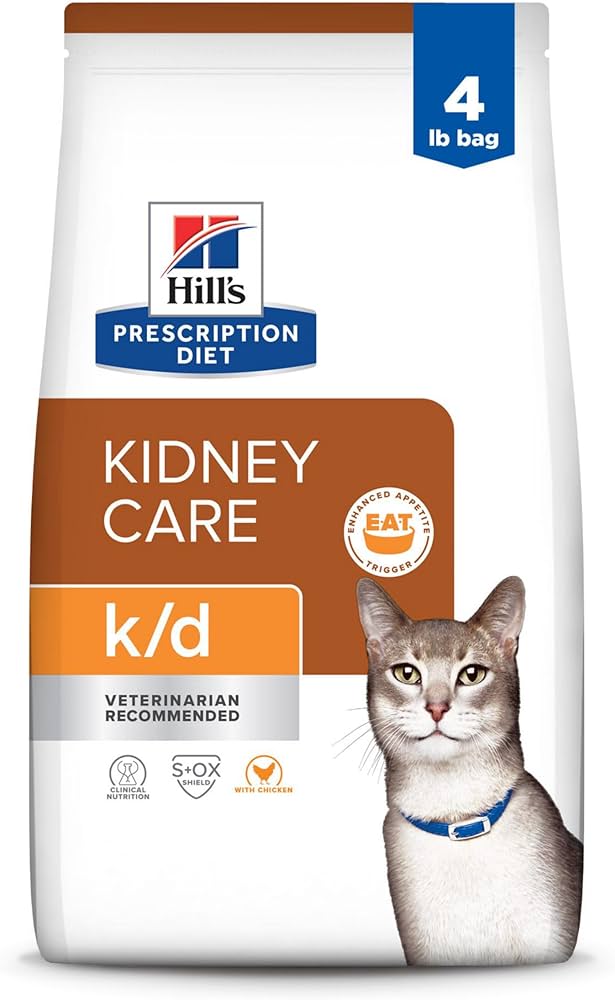
Choosing the right food for your feline companion can be a complex decision, balancing nutritional value, your cat’s often discerning palate, and your budget. Beyond these factors, the choice between wet and dry food is a significant one, with many owners wondering which is best for their cat’s long-term health and nutrition. This article delves into the topic of dry cat food and its potential impact on kidney health, exploring the real causes of kidney failure in cats and recommending appropriate dietary choices for felines diagnosed with kidney disease.
Can Dry Food Contribute to Kidney Issues in Cats?
Many cat owners observe their pets displaying a preference for either the texture of wet food from a pouch or the convenience of dry kibble. You might have encountered varying advice from pet publications or fellow cat owners suggesting that dry food can negatively affect kidney health, dental condition, or urinary tract function. However, the overall nutritional content of a cat’s diet is far more critical than whether it is presented in a wet or dry format.
The Importance of Ingredients in Your Cat’s Diet
Cats are obligate carnivores by nature, meaning their diet must be rich in fatty acids and animal-based proteins. An excessive intake of carbohydrates can lead to obesity and diabetes. While cats do require a small amount of carbohydrates, a diet high in these components can contribute to various health problems. Many dry cat foods incorporate ingredients like rice, cornmeal, and grains to aid in kibble processing, which consequently increases the carbohydrate content. In contrast, wet foods typically contain fewer of these ingredients. Some cat foods may even use vegetable proteins instead of meat, which is suboptimal for a cat’s carnivorous needs.
Your cat thrives on a diet high in animal proteins and fats, with a low carbohydrate count. While the carbohydrate levels in some dry foods are acceptable and may contain minimal grain or vegetable products, it’s crucial to scrutinize labels. Similar to how you approach your own grocery shopping, read the ingredient list on your cat’s food. Opt to bypass products that list ingredients such as peas, beans, corn, or potatoes. Being conscious of the specific nutrients in your pet’s food and ensuring they align with your cat’s dietary requirements is paramount for their well-being.
Can Dehydration Impact Cat Kidney Health?
Cats possess a naturally lower thirst drive compared to many other animals, meaning they typically do not consume large amounts of water throughout the day. Despite this, they can become dehydrated without necessarily exhibiting signs of thirst. Consequently, their primary source of hydration often comes from their food. Wet food contains a higher percentage of water than dry food, closely mimicking the natural diet of felines. Adequate moisture intake supports better bladder and kidney function in cats. Conversely, prolonged dehydration can irritate the urinary tract and potentially lead to kidney disease. If your cat shows a strong preference for dry food, consider sprinkling a small amount of water over their kibble. This simple act can encourage them to consume more water, allowing them to benefit from increased hydration without a complete mealtime change. For personalized dietary advice tailored to your cat’s specific needs, it is always best to consult your veterinarian.
Understanding the Causes of Kidney Failure in Cats
Kidney failure in cats can manifest in two distinct forms, each with its own set of causes:
Acute Renal Failure
Acute kidney failure occurs when a cat’s kidneys suddenly lose their ability to function properly. This condition develops rapidly, often within days or weeks. If detected and treated early, acute renal failure can sometimes be reversed. Cats of any age are susceptible to this condition, which can be triggered by infections, organ failure, poisoning, severe dehydration, urethral blockages, and various other factors.
Chronic Kidney Failure
Chronic kidney failure, on the other hand, typically progresses gradually over several months or even years. This slow-onset condition is commonly linked to autoimmune diseases, genetic predispositions, or the development of cysts within the kidneys. As chronic kidney failure advances, it can lead to complete kidney failure, where the kidneys progressively lose their capacity to filter toxins from the blood.
Dietary Recommendations for Cats with Kidney Disease
When a cat is diagnosed with kidney disease, their kidneys struggle to effectively filter waste products, leading to a buildup of these substances in the body. To manage this condition effectively and support your cat’s well-being, providing them with essential nutrients is crucial. These nutrients can help alleviate symptoms, control waste accumulation, and slow the progression of the disease.
Several commercially available therapeutic diets are specifically formulated to assist cats with kidney disease. These foods typically feature reduced levels of phosphorus, sodium, and protein, while incorporating higher amounts of Omega-3 fatty acids. Such formulations help prevent metabolic acidosis in cats. Your veterinarian is the best resource for prescribing or recommending a specific diet that will effectively manage your cat’s kidney disease. Learn more about kidney care cat food wet.
Note: The information provided here is for general informational purposes only and does not constitute veterinary medical advice. Always consult with your veterinarian for an accurate diagnosis and treatment plan for your pet.
Selecting the optimal food for your cat, especially one with specific health needs, can be challenging. If you require assistance, consider reaching out to our veterinary team. We can help you choose a cat food that perfectly suits your feline friend’s requirements.
