
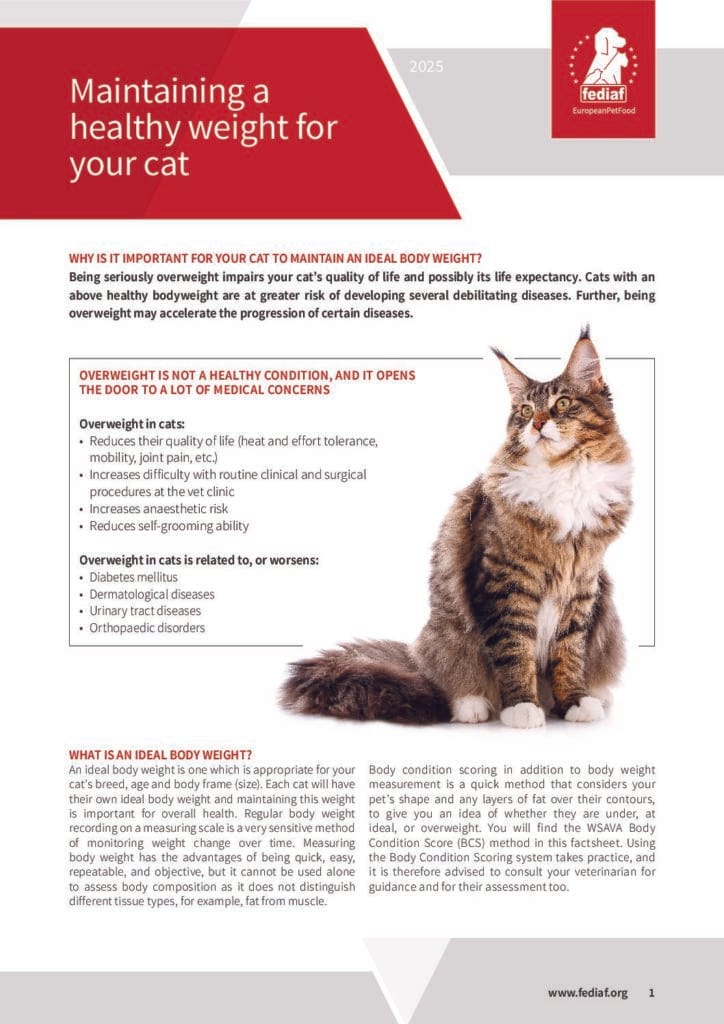
Treats can be a wonderful way to bond with your feline friend, reward good behavior, or simply show them some extra love. However, it’s crucial to understand how to incorporate them into your cat’s diet responsibly. This guide will explore recommended treat allowances, safety tips, and when it’s appropriate to start giving your cat treats, ensuring their health and happiness.
Recommended Treat Allowance: Finding the Right Balance
While the occasional treat is unlikely to cause harm and can be a source of joy for your cat, moderation is key. Overfeeding treats can lead to several issues, including unwanted weight gain, which in turn increases the risk of other health problems. Furthermore, too many treats can diminish your cat’s appetite for their regular, nutritionally balanced meals, potentially leading to them becoming a picky eater.
How Many Treats Should I Give My Cat?
As a general guideline, treats should not exceed 10% of your cat’s total daily calorie intake. It’s important to remember that this 10% also includes any human food scraps you might offer, which should be minimal and only consist of cat-safe options. To compensate for the calories from treats, you should reduce their main meal portion by approximately 10%. If you’re unsure about the exact quantities or if your cat has specific dietary needs, consulting your veterinarian is always recommended.
Many high-quality cat treat brands provide feeding guides on their packaging, often detailing the calorie content per treat. For instance, DREAMIES™ crunchy and soft treats are known for being low in calories, with approximately 2 calories per bite. Adult cats can typically be given up to 20 of these treats daily, while kittens can have up to 6. For DREAMIES™ Creamy treats, up to one sachet per day is recommended for both adult cats and kittens. The guideline for DREAMIES™ Meaty Sticks is one stick per day for adult cats, and these are not suitable for kittens under 12 months old, making them a potential celebratory treat for their first birthday. If you offer multiple types of treats throughout the day, it’s wise to combine the feeding recommendations for each, rather than feeding the maximum for each individually, to help maintain your cat’s healthy weight.
How Often Can I Give My Cat Treats?
You can offer your cat treats daily, provided you are mindful of their caloric contribution to the overall diet. If you happen to overindulge your cat with treats on one particular day, simply adjust by giving fewer treats the following day. While your cat might express a little displeasure, this adjustment is for their long-term well-being.
Are Cat Treats Bad for Cats?
Categorizing all cat treats as “bad” is inaccurate. They are designed to be given in moderation, much like humans enjoy a snack. The primary source of nutrition for your cat should always be their complete and balanced main meals, with treats serving as a delightful addition. Cat treats do not need to be nutritionally complete on their own if your cat is already consuming a balanced diet.
In fact, many treats offer nutritional advantages. For example, DREAMIES™ crunchy and soft treats are fortified with essential vitamins and minerals, while DREAMIES™ Creamy treats are sugar-free and contain added taurine, an important amino acid for cats.
What Age Can I Start Giving My Cat Treats?
Your kitten is generally ready to start enjoying treats once their teeth have developed and they have been successfully weaned onto solid food, typically around 8 weeks of age.
Kitten-appropriate treats are often soft to be gentle on their developing teeth and gums. DREAMIES™ original treats are a suitable option, offering a crunchy exterior with a soft center. As mentioned, up to 6 of these can be given daily to kittens, with a corresponding reduction in their main meal. DREAMIES™ Creamy treats are also a good choice, with a sachet that can be offered daily, either by hand or squeezed into a bowl for them to lick.
Treat Safety Tips
Beyond portion control, preventing digestive upset is also crucial. When introducing a new type of treat, start with a small amount and observe your cat’s reaction. Signs of stomach upset or diarrhea could indicate an intolerance to an ingredient in the treat. Cats can also develop allergies, which might manifest as sneezing, wheezing, coughing, skin rashes, or red, itchy eyes. While these symptoms are less likely to be directly linked to treats, it’s always wise to consult your veterinarian if you notice any of them.
If your cat happily accepts a new treat without any adverse reactions, it’s a good sign that it’s a suitable addition to their diet. As with all food and treats, ensure your cat always has access to fresh, clean water.
Understanding these guidelines for cat treat allowances and safety can help you provide enjoyable treats for your feline companion while maintaining their overall health. Exploring the range of DREAMIES™ treats, with flavors like cheese, chicken, and catnip, can offer a delightful variety for your cat.
