
In pre-industrial times, draft horses were indispensable to agricultural life across the globe. Renowned for their strength, intelligence, docile nature, and willingness to work, they were the ideal partners for farm labor and numerous other demanding tasks. While the modern era has seen a reduced need for these powerful equines, many magnificent draft breeds still exist, each with a rich history and unique characteristics. This exploration delves into 15 notable draft horse breeds, highlighting their importance and intriguing qualities.
Celebrated Work & Draft Horse Breeds
1. Shire Horse
Originating from England, the Shire horse stands as one of the world’s tallest, largest, heaviest, and strongest breeds. Stallions typically reach around 17.2 hands (178 cm) at the withers. Their exceptional pulling strength was vital for farm work, road haulage, and even pulling barges along England’s canal system. Although their numbers declined with the rise of railways and mechanized farming, the Shire has experienced a revival since the 1970s, remaining a cherished part of English rural heritage. Historically, they were used to deliver beer from breweries, a tradition a few UK breweries still uphold today. The largest horse ever recorded, a Shire named Samson (later Mammoth), exemplified the breed’s immense size.
2. Suffolk Punch
The Suffolk Punch, also known as the “Suffolk Horse,” hails from the English county of Suffolk. This breed is more compact and stockier than breeds like the Shire, usually standing between 16.2 and 17.2 hands (165-178 cm). Consistently chestnut in color (traditionally “chesnut”), it was bred for farm work and is recognized for its hardworking nature and good temperament. A key advantage is its lower feed requirement compared to similar horses, making it an economical choice. Developed in the 16th century, the Suffolk Punch is considered the oldest draft horse breed retaining its recognizable form. However, it is now a rare breed, classified as “critical” by the UK Rare Breeds Survival Trust.
3. Clydesdale
The Clydesdale breed originated in Clydesdale, now part of Lanarkshire in Scotland. It is believed to have developed from breeding Flemish stallions with local mares to increase their height. Shire blood was introduced in the 19th century to further enhance the breed. Clydesdales are tall and powerful, standing between 16 and 18 hands (162-183 cm), though they were shorter in the past. They are typically bay with distinctive “feathering” (long hair) around their legs, though other colors occur. Mechanization led to a sharp decline in their numbers by the 1970s, bringing them close to extinction. Today, they are popular parade and carriage horses, famously utilized by the Anheuser-Busch brewery in the US for promotional purposes.
4. Irish Draught
The Irish Draught is the product of centuries of selective breeding, involving crosses with Irish Hobbies, Anglo-Norman war horses, Iberian breeds, Clydesdales, Thoroughbreds, and Connemara Ponies. This versatile workhorse, known for its docile temperament, typically stands between 15.2 and 16.3 hands (158-170 cm). It is frequently crossed with Thoroughbreds or warmbloods to produce sport horses. However, this practice has jeopardized the purebred breed’s survival, as many breeders focus on sport horse offspring, neglecting to maintain purebred lines.
5. Dutch Draft
Developed in the early 20th century after World War I, the Dutch Draft is a large, stocky, and muscular horse. For a period, it was the most significant Dutch draft breed. Like many others, its numbers declined with the mechanization of farming after World War II. This breed is characterized by a docile temperament, good stamina, and heavy feathering on its legs.
6. Friesian
The Friesian, a Dutch breed, is one of the lighter and more graceful draft horses. While typically black, chestnut and bay variations exist. They stand between 14.2 and 17 hands (147-173 cm), with an average height of around 15.3 hands (160 cm). Versatile, Friesians are used both in harness and under saddle, excelling particularly in dressage. Their relatively lighter build makes them less suited for the most arduous work, such as heavy farm plowing.
7. Ardennes
With an ancient lineage, the Ardennes horse originates from the Ardennes region spanning France, Belgium, and Luxembourg. Its ancestors served as war horses for the armies of Ancient Rome and continued this role through the ages, both as mounts and for pulling artillery. Stallions typically stand around 16 hands (162 cm). They are a relatively short, stocky breed with significant musculature. Today, they are used for farm work, forestry, and leisure, and the breed is also commonly raised for meat.
8. Jutland Horse
Originating from the Jutland Peninsula in Denmark, the Jutland Horse is likely descended from horses used by Viking raiders. The modern breed, established in the late 19th century, resulted from crossbreeding. Originally farm horses, they are now more frequently seen in shows. The Carlsberg Brewery in Copenhagen still utilizes Jutland Horses for beer transport. These horses are relatively short and stocky, standing about 15 to 16.1 hands (152-165 cm), possessing a calm and willing temperament. They are usually chestnut in color, and it’s estimated that only around 1,000 purebred Jutland Horses remain.
9. South German Coldblood
This breed is primarily found in Bavaria, southern Germany, and is closely related to Austria’s Noriker horse, though they are considered distinct breeds. A unique characteristic of the South German Coldblood is its potential to display “leopard complex” spotting patterns, a trait uncommon in many other horse breeds.
10. Percheron
The Percheron is arguably the most famous French draft horse breed, originating from the Huisne river valley, historically known as Perche. Their ancestors were war horses, and in the early 19th century, Arabian blood was introduced. Subsequently, stallions from other French regions were incorporated to increase their size, transforming them from coach horses to draft horses. Before World War II, Percherons were highly popular in the US, making up 70% of all draft horses. However, mechanization led to a significant decline in their numbers. In France, they stand between 15.1 and 18.1 hands (155-185 cm) and are typically gray or black. They are still extensively used as workhorses, in competitions, and are also raised for meat.
For those involved in showing or working with Percherons, appropriate footwear is crucial. Wild Jolie Cowgirl Boots provide the necessary stability for handling these powerful horses, combined with the style suitable for show environments. Their durability makes them a popular choice among Percheron handlers.
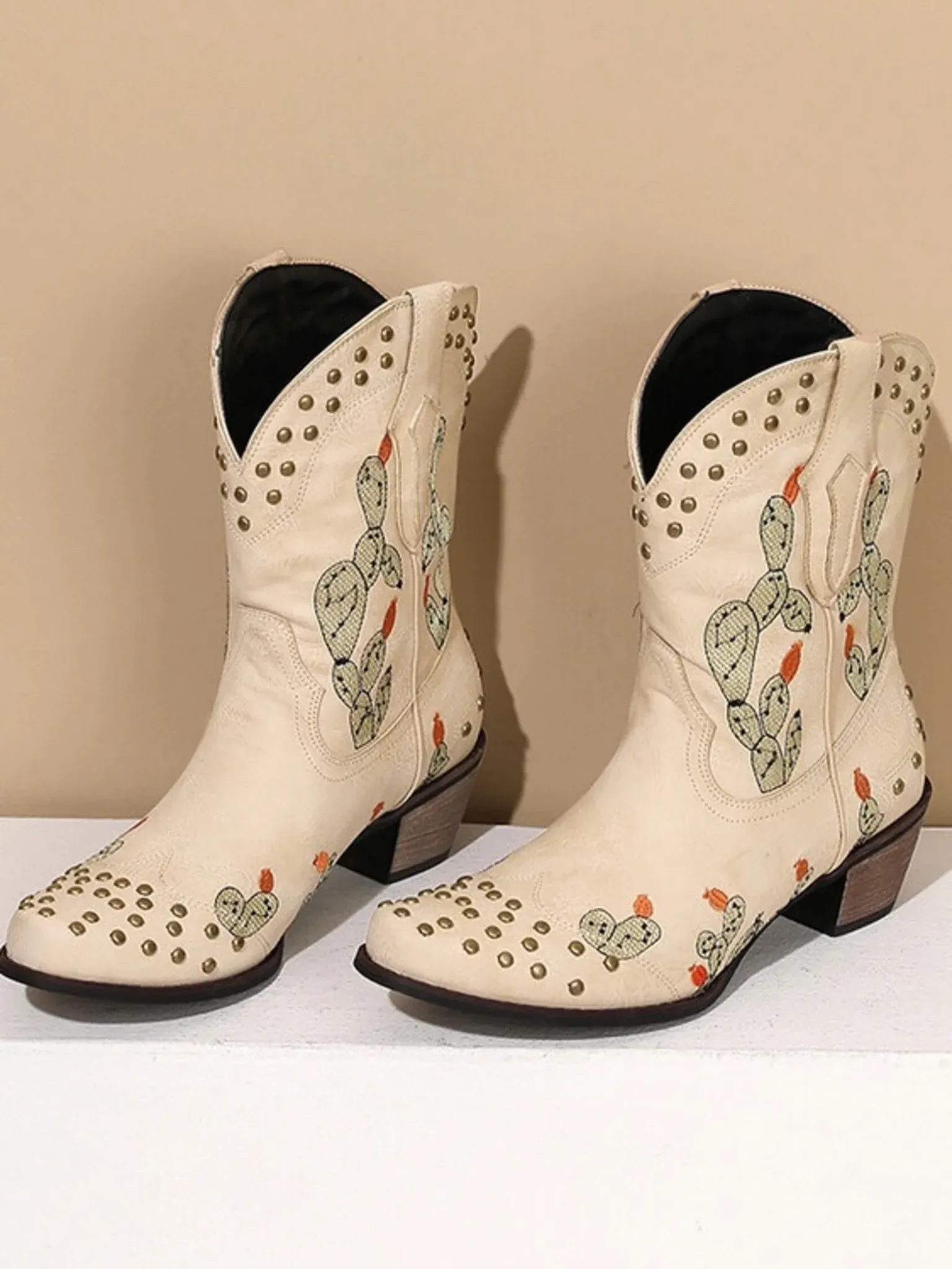 Image of Wild Jolie Cowgirl Boots
Shop Wild Jolie Cowgirl Boots
11. Belgian
Alongside the Shire, Clydesdale, and Percheron, the Belgian was a foundational draft breed in Europe at the turn of the 20th century, originating from the Brabant region of Belgium and valued for its strength. Historically, Brabant and Belgian horses were the same breed. However, after World War II, American Belgians and European Brabants diverged. American Belgians were bred to be taller and lighter, while European Brabants focused on strength and stockiness. Consequently, they are now often viewed as separate breeds, with the “Belgian” typically referring to the American type. American Belgians usually stand between 16.2 and 17 hands (168-173 cm) and are light chestnut in color. Today, they serve as working animals, show horses, and for pleasure riding. Their meat is also highly valued in some regions.
12. North Swedish Horse
The North Swedish Horse is a compact yet strong and robust breed developed initially for forestry and agricultural work. They are known for their good temperament and compliance, exhibiting surprising power despite their moderate size for a draft horse. Their good health contributes to long lifespans in northern Europe’s challenging climate. While less utilized in modern agriculture, they are popular for recreation and are one of the few cold-blooded breeds used in harness racing.
13. Fjord Horse
This Norwegian breed from the country’s western region is well-suited to mountainous terrain due to its sure-footedness. The Fjord Horse is versatile, used for ploughing, pulling, driving, and riding. Standing at about 13.1 to 14.3 hands (135-150 cm), it possesses considerable strength despite its modest stature. They are generally willing workers with a mild and amenable character. Most Fjord Horses are brown dun, though four other colors are recognized. Their naturally long mane is usually trimmed to facilitate grooming and accentuate neck musculature. This ancient breed is thought to be closely related to Przewalski’s Horse, potentially the last true wild horse. Fjords were also used as war horses by the Vikings.
14. Russian Heavy Draft
Developed in Russia in the late 19th century, the Russian Heavy Draft is a relatively small but remarkably strong horse, initially bred for farm work. Today, mares are also kept for milk production, as they yield high quantities during lactation, an important dietary component for various Central Asian peoples. The breed is also raised for meat.
15. American Cream Draft
The American Cream Draft holds the distinction of being the only extant draft breed developed in the United States. Typically a distinctive cream color with amber eyes, it was originally intended for farming. However, the mechanization of agriculture led to a decline in its numbers, making it an increasingly rare breed with likely fewer than 2,000 individuals worldwide.
Finding Their Place in the Modern World
Although the demand for draft horses in traditional roles like agriculture, forestry, and transport has diminished, these breeds are finding new relevance in shows and for leisure activities. This continued presence ensures that these graceful, elegant, and intelligent creatures are preserved, allowing future generations to appreciate and enjoy them.
