
As the editor of “Dog Care Story,” a website dedicated to pet care, I’m constantly seeking ways to enhance the health and well-being of our beloved canine companions. One of the most impactful decisions we make for our dogs is their diet. While commercial dog foods are convenient, many dog owners are increasingly turning to homemade options to ensure their pets receive optimal nutrition. This is where the wisdom of experts like Dr. Karen Becker truly shines. Her approach to canine nutrition, often in collaboration with Rodney Habib, provides a clear roadmap for creating balanced, nutrient-rich meals right in your own kitchen. This article dives into one of the most highly recommended make your own dog food recipe that our veterinarian endorsed years ago, focusing on the principles championed by Dr. Karen Becker to support your dog’s long and healthy life.
Why Choose Dr. Karen Becker’s Homemade Dog Food Recipes?
The primary reason to embrace Dr. Karen Becker dog food recipes is undeniably for health. By preparing your dog’s food yourself, you gain complete control over every ingredient, eliminating questionable fillers, artificial additives, and preservatives often found in commercial products. This proactive approach can significantly contribute to your dog’s longevity and vitality. Our dogs thrive on this recipe, displaying remarkably shiny coats, healthy teeth, and consistently fresh breath – all indicators of a well-nourished system.
Moreover, this particular recipe is ideal for bulk preparation, offering immense convenience. Imagine making a large batch once or twice a month, freezing it in portions, and simply thawing it overnight as needed. This method can save you time and effort while ensuring your dog always has a wholesome meal ready. A single uncooked batch of about 11 pounds can last approximately three weeks for two small adult dogs (around 10 lbs each). This recipe is also versatile; you can easily substitute ground beef with ground turkey or chicken. Just remember to adjust the amount of beef liver to compensate for the lower iron, zinc, and protein content in poultry, providing your dog with a delightful variety in their meals.
 A happy dog looking intently at a bowl of homemade food
How Much Should You Feed Your Dog?
Determining the correct portion size for your dog is crucial for maintaining their ideal weight and health. It is highly recommended to consult your veterinarian or a certified pet nutritionist to establish the precise daily food intake tailored to your dog’s specific needs, considering their breed, age, activity level, and existing health conditions. A general guideline suggests feeding between 2-3% of your dog’s total body weight daily.
For instance, if your dog weighs 12 lbs and your veterinarian recommends feeding 2.5% of their body weight daily, you would calculate 0.025 multiplied by 12, resulting in 0.3 lbs. Converting this to ounces, it equates to 4.8 oz. If you feed your dog twice a day, this means 2.4 oz per serving, once in the morning and once in the evening. This precise calculation helps prevent overfeeding or underfeeding, ensuring your dog receives the perfect amount of nutrients.
Understanding the Nutritional Value
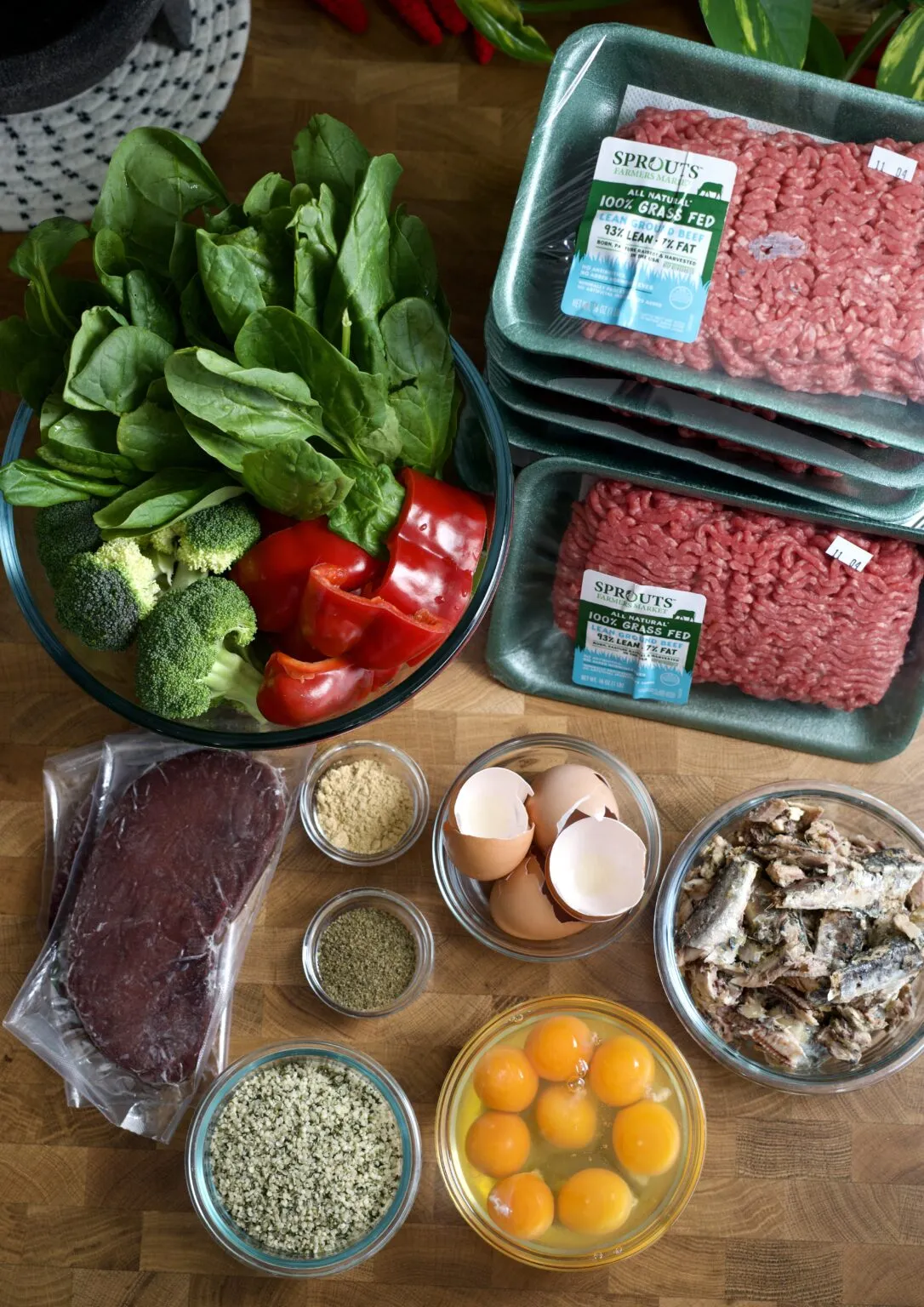
This carefully formulated homemade dog food boasts a caloric density of approximately 40 calories per ounce. For a comprehensive breakdown of the nutritional value of each ingredient and to gain deeper insights into the science behind this balanced diet, we highly recommend watching the original recipe video. This video was created and posted on YouTube by Dr. Karen Becker and Rodney Habib, serving as the foundational resource for this recipe. Their expertise provides invaluable information on how each component contributes to your dog’s overall health, reinforcing the science behind these effective Dr. Karen Becker dog food recipes.
 A selection of fresh ingredients including ground meat, eggs, spinach, and broccoli
Cooked vs. Raw: Preparing Your Dog’s Food
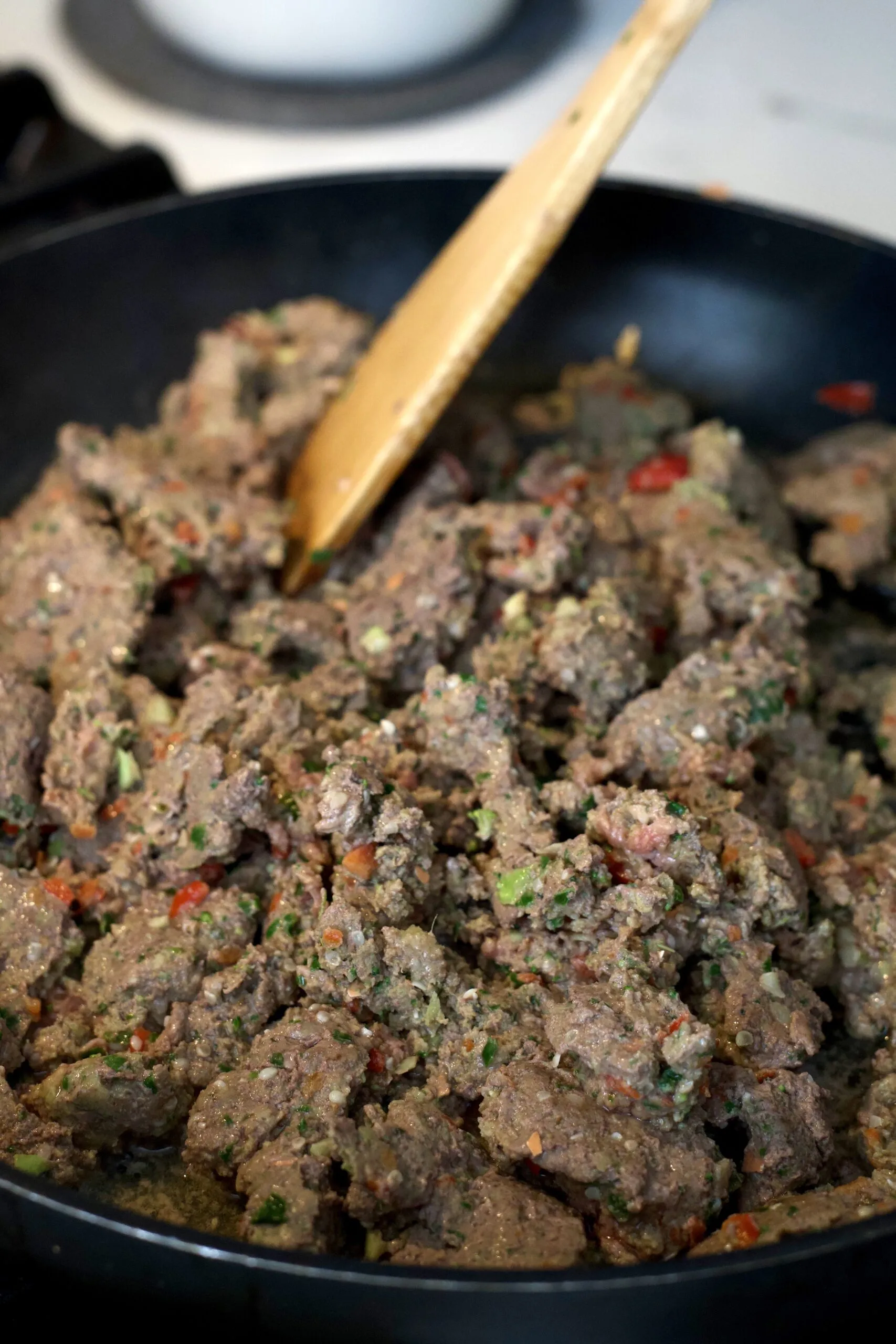
The debate between feeding cooked or raw diets is ongoing among dog owners. While this recipe is excellent for those who prefer a raw diet, we choose to gently cook the food for our dogs. If you opt to cook the food, it’s essential to do so carefully to preserve nutrient integrity. Use a nonstick pan over low heat, without any added oil. The goal is to gently cook the meat until it’s just done, avoiding searing or browning, which can deplete some of the beneficial nutrients. You can shape the food into patties, leave it in large chunks, or break it down into a mince, depending on your dog’s preference.
For those using a stainless steel pan, proper heating is key to prevent sticking. Heat the pan for at least three minutes. To test if it’s ready, splash a small amount of water into it. If the water sizzles and evaporates quickly, the pan is not yet hot enough. However, if the water beads up and dances around the pan, it’s perfectly heated. At this point, lower the heat as much as possible and allow the pan to cool slightly for a couple more minutes before adding the food and cooking it gently over low heat. Understanding the best ingredients for homemade dog food also involves knowing how to prepare them properly.
 A stainless steel pan with gently cooking ground meat
Essential Ingredients for Dr. Karen Becker’s Recipe
Crafting balanced homemade dog food requires a careful selection of ingredients, each playing a vital role in providing complete nutrition. Here’s a breakdown of the key components in these Dr. Karen Becker dog food recipes:
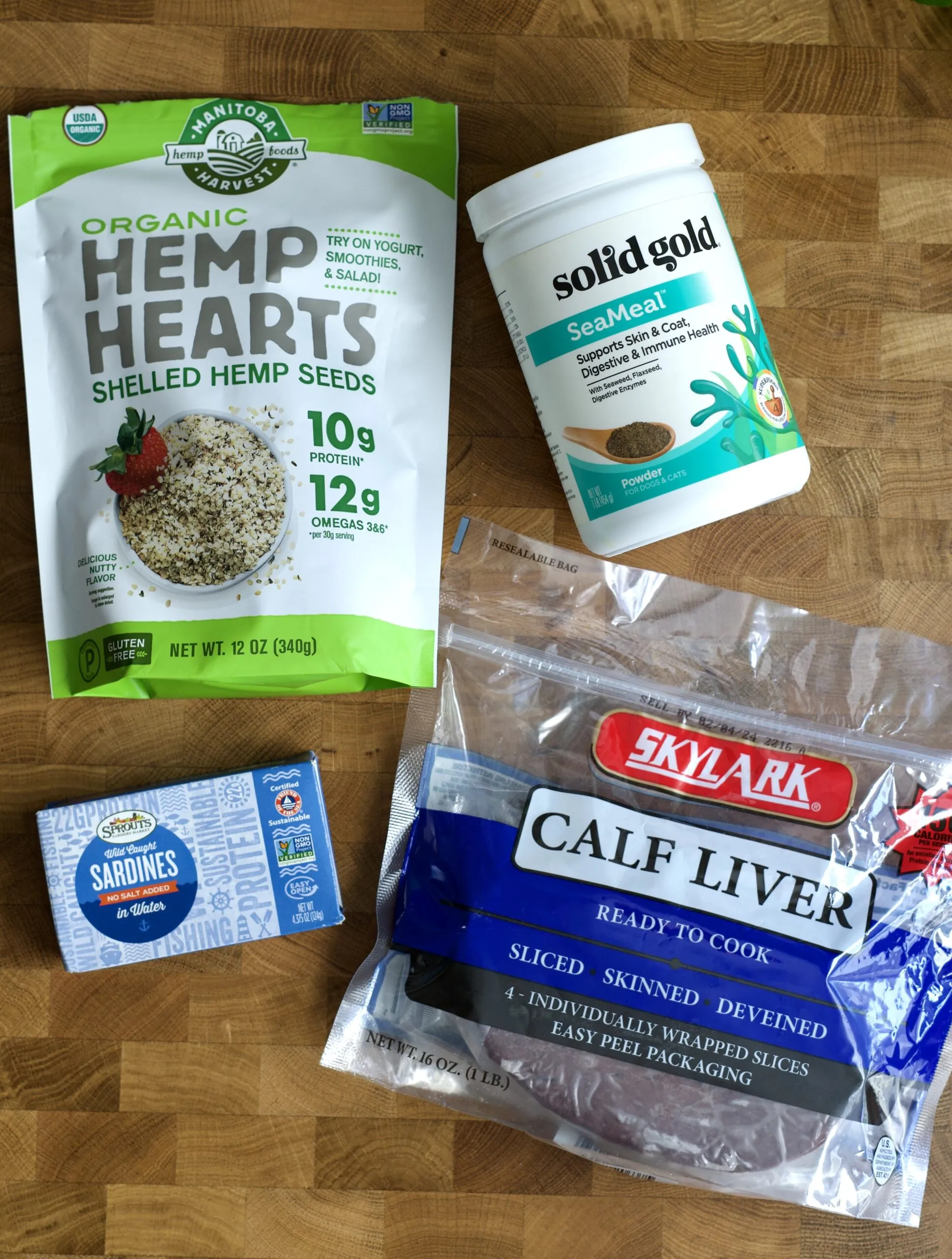
- Very Lean Ground Beef or Poultry: This serves as the primary protein source. It must be lean because dogs have a high amino acid requirement. If substituting ground beef with ground chicken or turkey, which are lower in protein, iron, and zinc, you’ll need to increase the amount of beef liver to compensate.
- Hempseed: An outstanding source of essential fatty acids, including omega-3 and omega-6, which are crucial for balancing fats in the diet. Hempseed is widely available at health food stores and big-box retailers. If using hempseed oil, exercise caution with heat during cooking, as high temperatures can alter its flavor, making it unpalatable for dogs.
- Sardines: These small fish are packed with essential vitamins E and D. Always opt for canned sardines in water, not oil. As an alternative, cod liver oil can also be used to meet these vitamin requirements.
- Ground Ginger: A powerful ingredient rich in manganese, which plays a critical role in supporting connective tissue health. This is particularly beneficial for strengthening ligaments, tendons, joints, and muscles, contributing to your dog’s mobility and overall structural integrity.
- Kelp Powder: An incredible source of iodine, kelp powder is highly beneficial for dental health and promoting a shiny, healthy coat. Many dog owners report noticeable improvements in their dogs’ coat quality and fresher breath after incorporating kelp powder into their diet.
- Eggs & Eggshells: Eggs provide an excellent source of folic acid and vitamin B12. The eggshells, often overlooked, are entirely edible and supply the necessary calcium for adult dogs. However, eggshells alone are not sufficient for the calcium needs of growing puppies.
- Beef Liver: This organ meat is a powerhouse of copper, zinc, and iron, essential minerals for your dog’s health. It’s often sold in convenient frozen, pre-portioned packages.
- Broccoli, Red Bell Pepper, & Spinach: These vegetables are vital for their antioxidants, phytonutrients, enzymes, and fiber content. It’s important to note that spinach should be omitted for senior dogs with kidney issues due to its oxalate and high sodium content; however, small amounts are perfectly safe for healthy dogs.
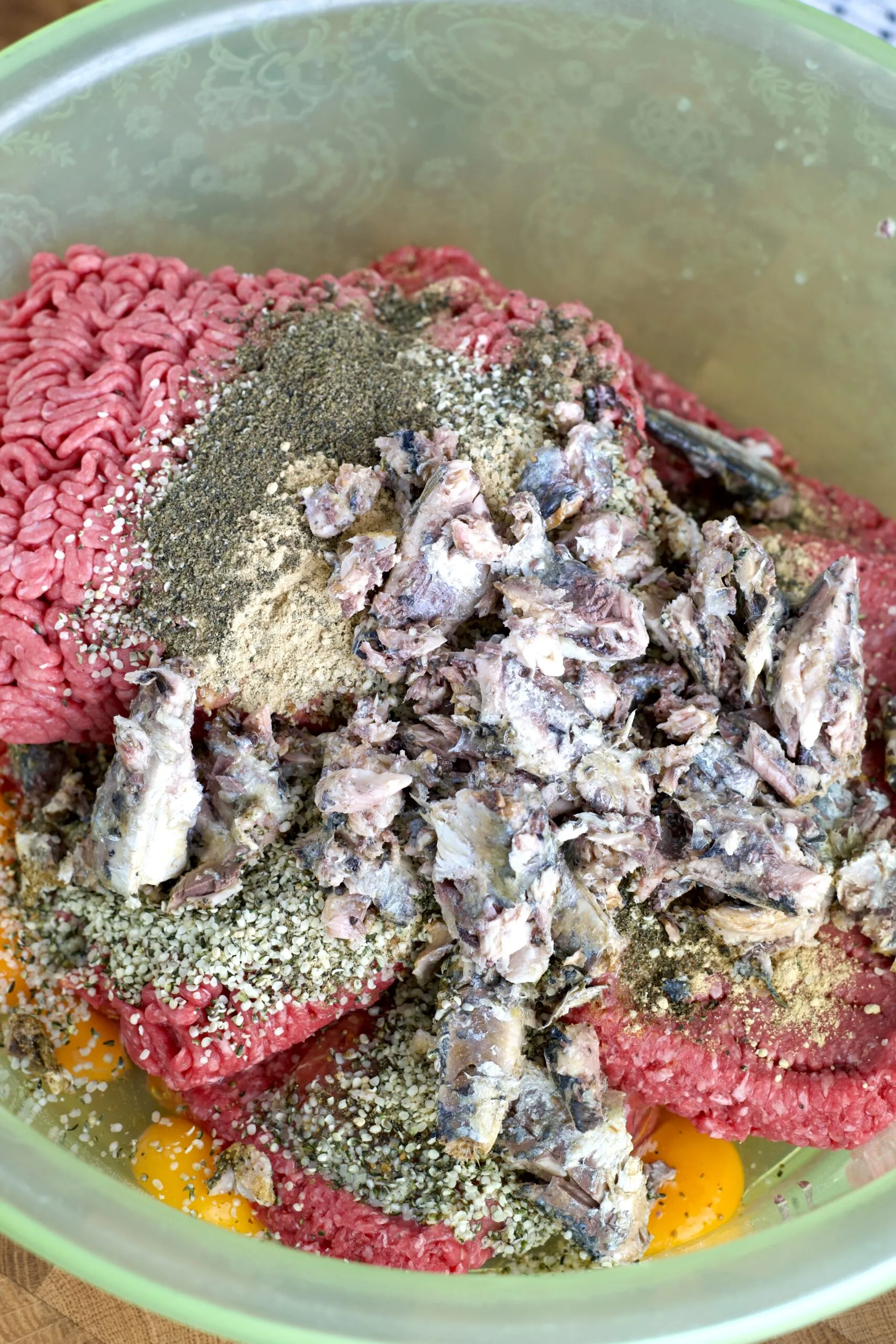 A large bowl filled with mixed ingredients, including ground meat, vegetables, and other supplements, ready for the next step
Step-by-Step Guide to Making the Recipe
Making these Dr. Karen Becker dog food recipes at home is a straightforward process, ensuring your dog gets a fresh, wholesome meal.
First, combine the ground beef (or chosen poultry), eggs, kelp powder, ground ginger, hempseed (or hempseed oil), sardines, and pumpkin puree (if you’re using it for digestive health, though it’s an optional addition not in the original recipe). Before adding the sardines, drain most of the water and try to break them up as much as possible to ensure even distribution throughout the mixture. Set aside half of the eggshells for later. Mix these ingredients thoroughly until well combined, then set the mixture aside.
Next, take the remaining vegetables (broccoli, red bell pepper, spinach), the saved eggshells, and the beef liver, and add them to a food processor. Blend until all ingredients are finely and evenly chopped. Depending on the size of your food processor, you might need to process these ingredients in batches to achieve the desired consistency. For those interested in healthy dog food recipes for small dogs, adapting portions from this recipe is ideal.
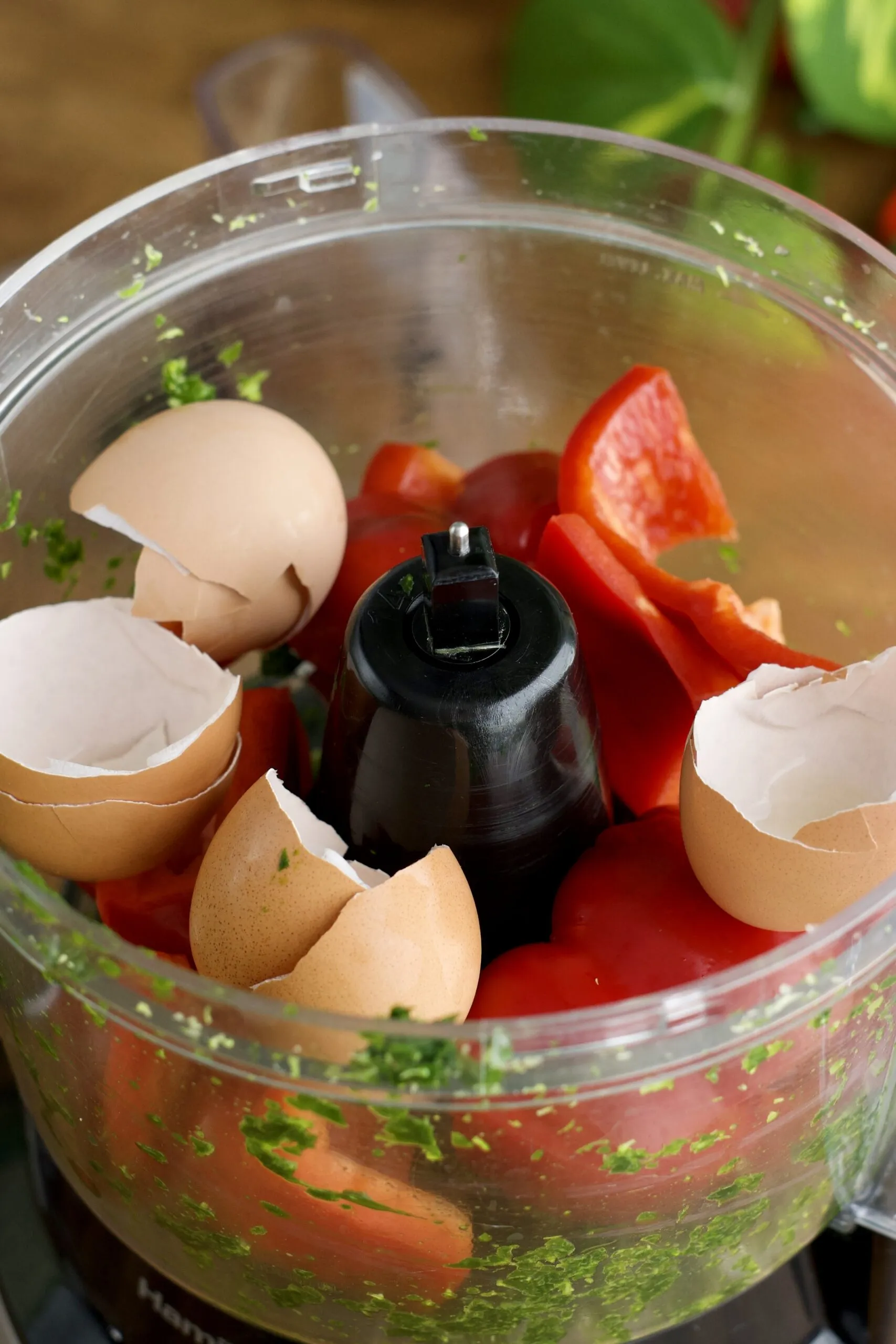 A Hamilton Beach food processor in action, blending vegetables
Finally, incorporate the blended vegetable and liver mixture into the meat base. Mix everything together meticulously until all components are thoroughly combined, ensuring an even distribution of nutrients throughout the entire batch of food.
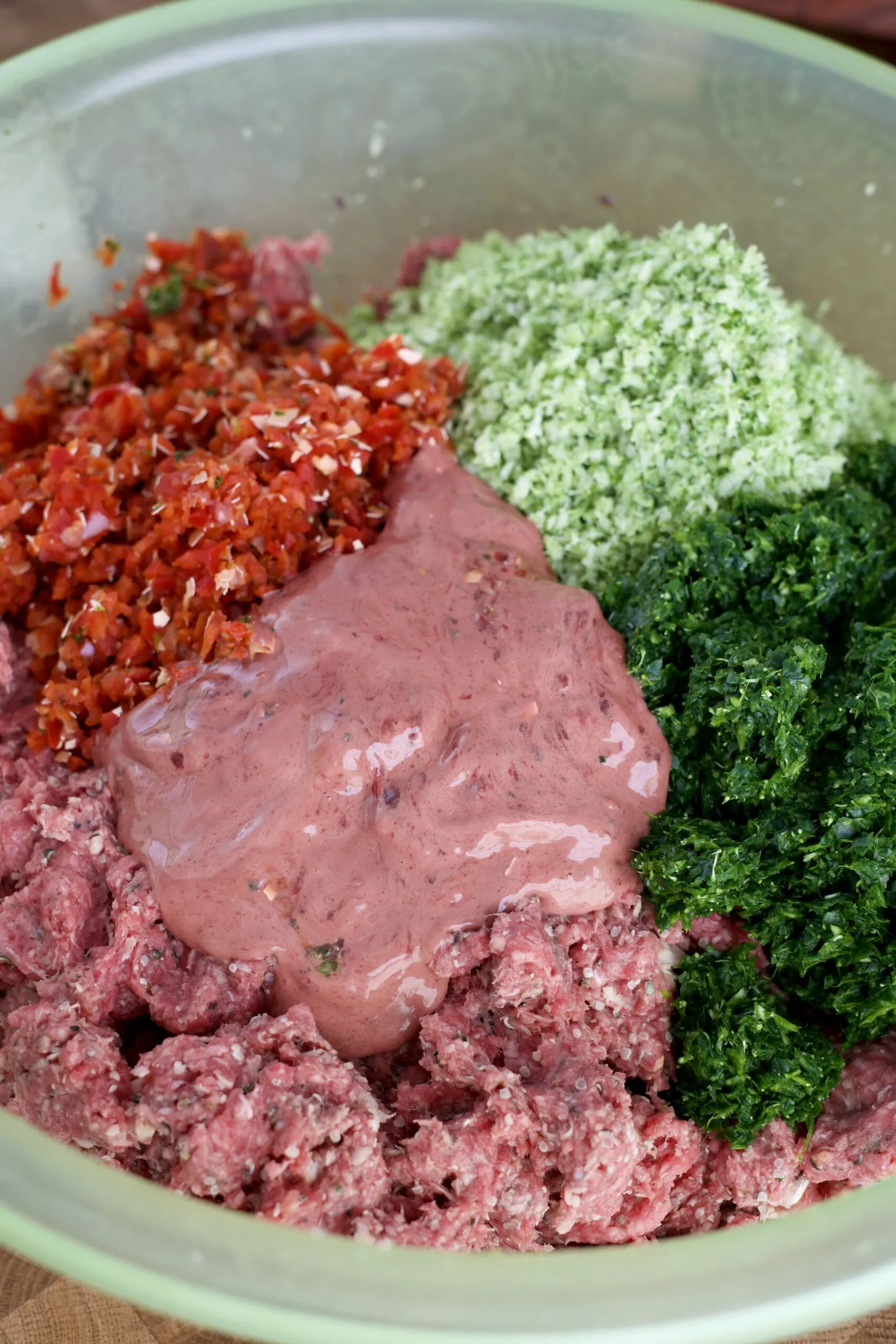 A large bowl with the final mixture of meat and blended vegetables, ready for portioning
Storing Your Homemade Dog Food
Proper storage is key to maintaining the freshness and safety of your homemade dog food. Once prepared, portion out the food according to your dog’s daily intake requirements. Uncooked homemade dog food can be safely stored in the freezer for several weeks. However, if kept in the refrigerator, it should be consumed within a few days—we typically don’t keep cooked dog food in the fridge for more than four days to ensure maximum freshness and safety. Portioning strategically allows you to thaw only what you need, minimizing waste and ensuring convenience.
Consider investing in reusable freezer bags if you plan to consistently prepare this recipe. These durable bags are an eco-friendly alternative to single-use plastic, helping to reduce waste while effectively storing your dog’s meals. They are a practical solution for any pet owner looking to manage their bichon frise what do they eat or other dog breeds with homemade food efficiently. The food can be served raw, or you can gently cook it without oil on a nonstick pan over low heat until just done. Remember to avoid high heat, especially if using hempseed oil, as it can negatively alter the flavor. After cooking, drain any excess fat and allow the food to cool completely before refrigerating for up to four days.
Our Dogs & The Impact of This Recipe
On “Dog Care Story,” we are firm believers in the power of nutrition, and our own dogs, Remy and Leeloo, are living testaments to the benefits of this Dr. Karen Becker dog food recipe. Remy and Leeloo, a mother and daughter duo we adopted in 2021, thrive on this diet. We previously fed this recipe to our beloved Lucy, who, despite passing away last year from kidney failure and arthritis at a very old age, maintained a quality of life enhanced by her diet.
The positive feedback from our readers has been overwhelmingly heartwarming. We’ve received numerous messages from individuals sharing how this recipe has significantly improved, or even saved, their dogs’ lives. This brings us immense joy and reinforces our commitment to sharing valuable information that contributes to the health and happiness of pets. It underscores why providing the best possible food is so important to us, and why these carefully balanced homemade options are invaluable.
Conclusion
Embracing Dr. Karen Becker dog food recipes for your canine companion is a commitment to their health and longevity. By taking control of their diet, you ensure they receive wholesome, balanced nutrition free from artificial additives. This detailed guide, rooted in expert recommendations, provides all the information needed to confidently prepare and store a nutritious homemade diet. Remember, while this recipe is incredibly beneficial, always consult your veterinarian to tailor portion sizes to your dog’s unique needs. We encourage you to explore the benefits of homemade dog food and consider incorporating these principles into your pet care routine. For more insights and resources on optimal pet nutrition, continue to explore “Dog Care Story,” where we are dedicated to helping your dog live their healthiest, happiest life!
References
- Dr. Karen Becker and Rodney Habib. “How To Make Dr. Becker’s Healthy Homemade Dog Food.” YouTube, uploaded by Dr. Karen Becker, 3 Apr. 2020, https://www.youtube.com/watch?v=7P85BMCCboI.
