
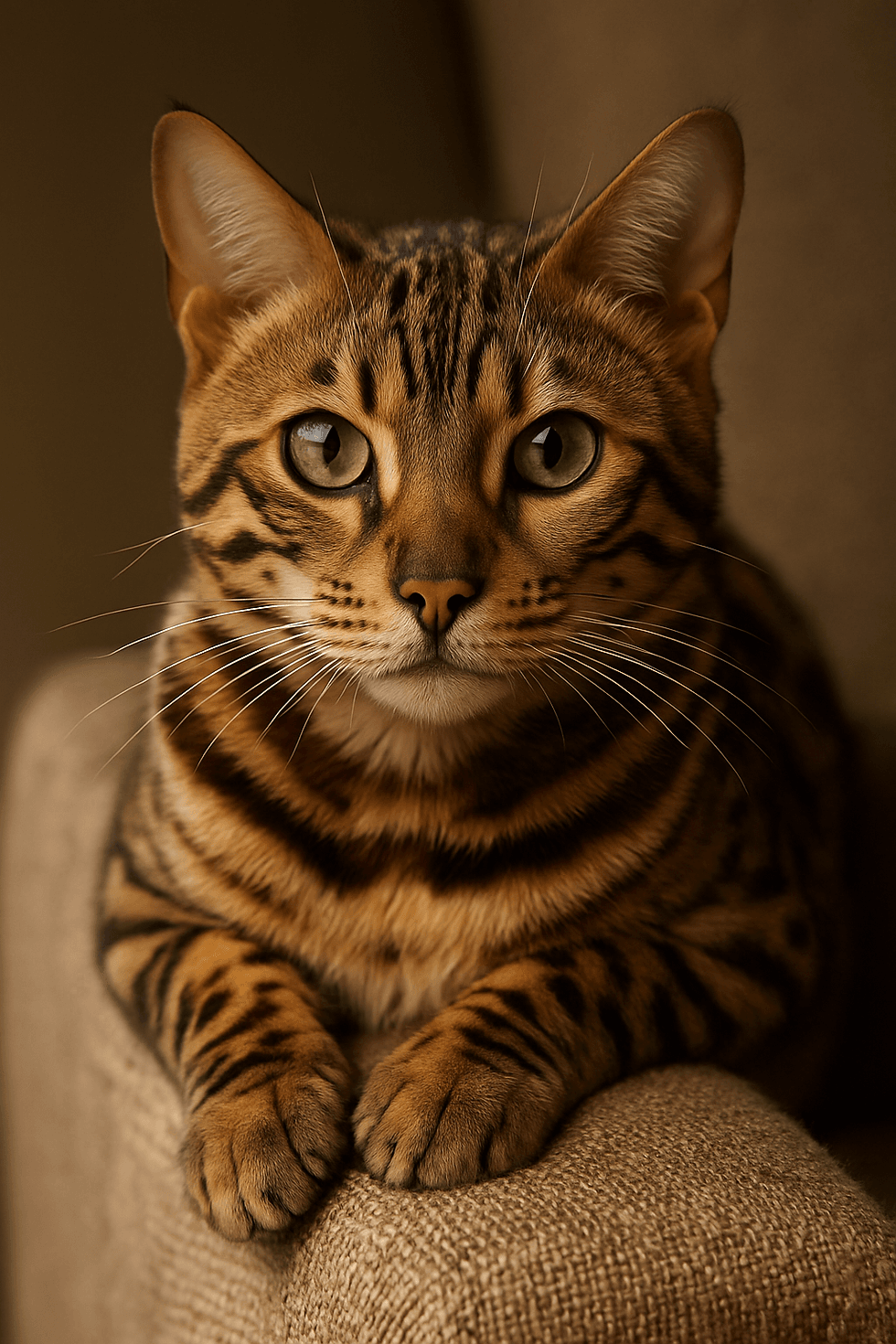
Many cat owners and enthusiasts hold a persistent misconception: that Bengal cats are more prone to inappropriate elimination issues than other feline breeds. This belief, often fueled by a bias against the breed due to their Asian Leopard Cat ancestry and the spread of misinformation online, is not only unfounded but also harmful. The reality is that Bengal cats, when properly cared for, do not have a higher incidence of litter box problems. This article aims to debunk this myth and shed light on the true causes of feline inappropriate elimination.
Understanding Feline Elimination Behavior
Inappropriate elimination is the number one reason cats are surrendered to shelters. This behavior is not exclusive to any particular breed, including Bengals. As a certified cat behavior consultant, I can attest that this issue affects all types of cats, from purebreds to mixed breeds (moggies). The vast majority of the time, the triggers for such behavior are environmental or stem from actions, or inactions, of the cat’s human companions. Understanding these underlying causes is crucial to addressing the problem effectively.
Bengal Cats and Litter Box Habits
My professional practice, which meticulously records feline behavior challenges, has provided ample evidence to refute the claim that Bengal cats are predisposed to litter box issues. While a specific breed has, through common observation, earned a reputation for this problem, it is not the Bengal. The perpetuation of the myth that Bengals inherently struggle with litter boxes is detrimental, potentially leading to these beautiful animals being relinquished or euthanized.
The truth is that Bengal cats are not inherently prone to urinating or defecating outside of their designated litter boxes. The challenges owners face are, in most cases, linked to external factors rather than the breed itself. These factors can range from the type and cleanliness of the litter box to the cat’s overall environment and stress levels.
Addressing Inappropriate Elimination in Cats
When a cat exhibits inappropriate elimination, it’s essential to investigate the root cause rather than jumping to breed-specific conclusions. Several factors can contribute to this behavior:
- Litter Box Environment: The size, type, cleanliness, and location of the litter box play a significant role. Cats may reject a box that is too small, has a strong scent from litter or lack of cleaning, or is placed in a high-traffic or stressful area.
- Litter Preferences: Different cats have different preferences for litter texture and scent. Some may dislike perfumed litters, while others may prefer a finer or coarser grain.
- Medical Conditions: Underlying health issues, such as urinary tract infections, kidney disease, or diabetes, can cause a cat to associate the litter box with pain and avoid it. A veterinary check-up is crucial to rule out any medical causes.
- Stress and Anxiety: Changes in the household, such as a new pet, a new baby, moving to a new home, or even household conflicts, can induce stress in cats, leading to behavioral changes like inappropriate elimination.
- Territorial Marking: In some cases, especially with unspayed or unneutered cats, this behavior can be a form of territorial marking.
Conclusion: Focus on the Cause, Not the Breed
The myth surrounding Bengal cats and litter box issues is a harmful generalization that needs to be dispelled. As with any feline, addressing inappropriate elimination requires a thorough investigation into the cat’s environment, health, and emotional well-being. By understanding and addressing the true causes, owners can ensure their Bengal cats, and indeed all cats, lead happy and healthy lives with proper litter box habits.
If you are experiencing litter box issues with your Bengal cat, consult with a veterinarian or a certified cat behavior consultant. They can help identify the specific triggers and develop a tailored plan to resolve the problem.
