
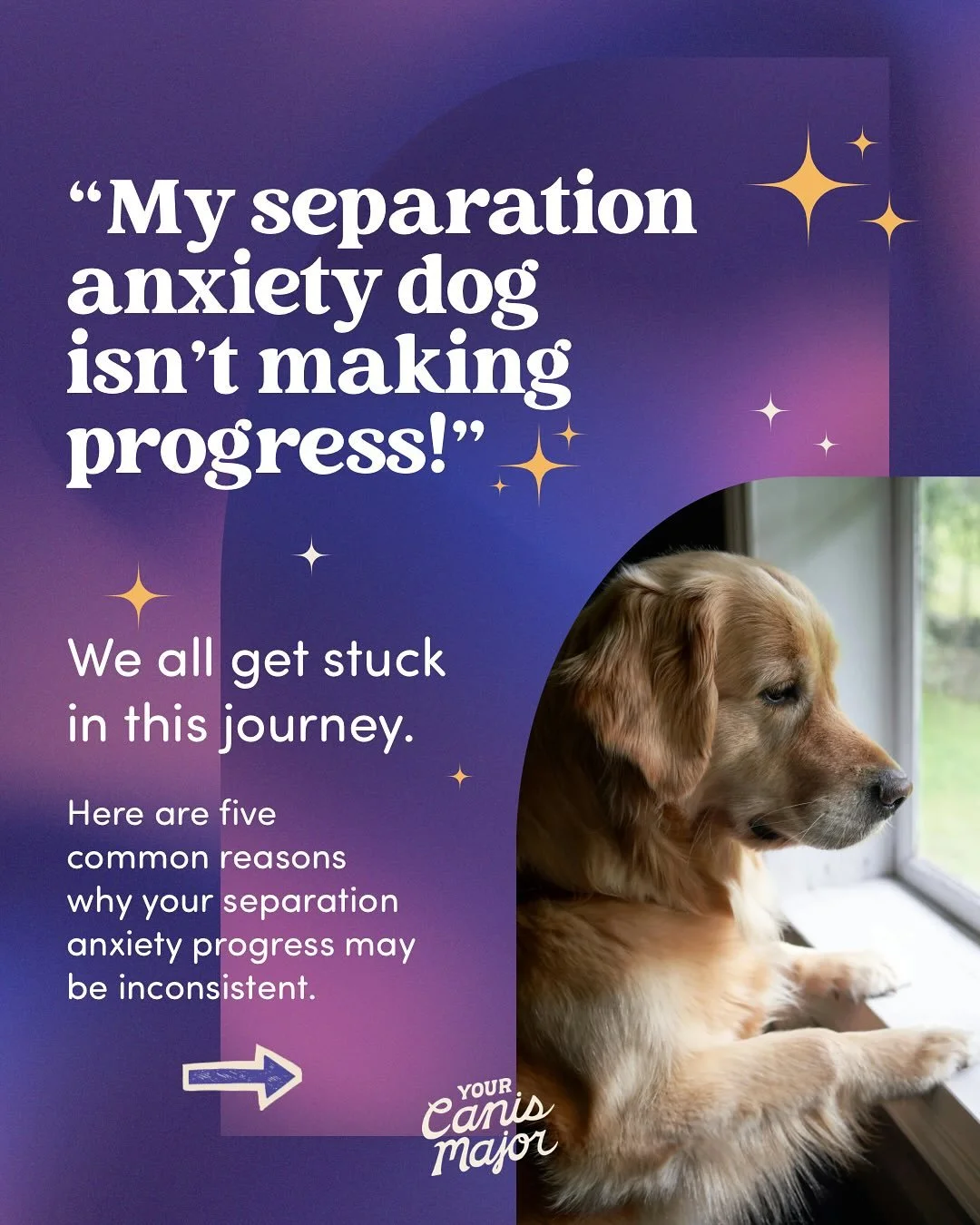
Separation anxiety in dogs is a distressing condition that affects not only the pet but also the entire household. It’s characterized by intense panic and distress when a dog is left alone, or separated from their primary attachment figure. Understanding the root causes, recognizing the signs, and implementing effective training strategies are crucial for helping your canine companion feel secure and calm when you’re not around. This comprehensive guide will delve into the world of Dogs With Separation Anxiety Training, providing you with the knowledge and tools to navigate this challenge with patience and expertise.
The bond between humans and dogs is profound, built on trust and companionship. However, for dogs suffering from separation anxiety, this very bond can become a source of intense fear. Unlike simple boredom or a dog who doesn’t like being alone, separation anxiety is a genuine panic disorder. It’s not a sign of a “bad” dog, but rather a dog experiencing overwhelming distress. The goal of training is not to eliminate the dog’s attachment, but to help them develop confidence and self-soothing skills so they can tolerate brief periods of solitude without succumbing to panic.
Understanding Separation Anxiety in Dogs
Before diving into training, it’s vital to understand what separation anxiety truly is and how it manifests. It’s more than just a few whines at the door; it’s a complex behavioral issue stemming from a fear of being alone.
Common Signs and Symptoms
Recognizing the signs is the first step toward addressing the problem. These behaviors typically occur only when the dog is left alone or separated from their owner:
- Vocalization: Excessive barking, howling, or whining that can persist for the entire duration of your absence.
- Destructive Behavior: Chewing on doors, windowsills, furniture, or personal belongings, often focused on exit points. This is not malicious; it’s a result of panic and an attempt to escape.
- Inappropriate Urination or Defecation: Soiling in the house, even if the dog is reliably house-trained. This is a stress response, not a lack of training.
- Pacing: Repetitive, often frantic pacing, sometimes with a figure-eight pattern.
- Drooling and Panting: Excessive salivation and heavy panting, indicating high stress levels.
- Escape Attempts: Frantic efforts to escape confinement, which can lead to self-injury.
- Depression or Lethargy: Some dogs may become withdrawn, unresponsive, or show a lack of appetite when left alone.
- Over-excitement/Greeting: While not a sign during absence, an overly frantic and persistent greeting upon your return can sometimes be linked to separation anxiety.
Differentiating from Other Issues
It’s important to distinguish true separation anxiety from other issues that might cause similar symptoms:
- Boredom: A bored dog might be destructive or vocal, but usually not with the same intensity or panic as a dog with separation anxiety. They might also engage in destructive behavior when you are home but not directly interacting with them.
- Incomplete House-Training: Some dogs may have accidents due to medical issues, lack of training, or territorial marking, not necessarily due to anxiety.
- Medical Conditions: Certain health problems, such as urinary incontinence or cognitive dysfunction in older dogs, can lead to house-soiling. A veterinary check-up is always recommended.
- Fear of Noises: Some dogs are fearful of external stimuli like thunderstorms or fireworks, which can cause distress when left alone.
A key differentiator for separation anxiety is that the problematic behaviors are exclusively tied to the owner’s absence. If your dog is destructive or vocal when you are home, the issue may be different.
Strategies for Training Dogs with Separation Anxiety
Successfully training dogs with separation anxiety requires a multi-faceted approach that addresses the underlying fear and builds the dog’s confidence. Patience, consistency, and a gradual desensitization process are key.
1. Management: Preventing the Panic
While you’re working on training, it’s crucial to prevent your dog from experiencing the full panic of being left alone. This means avoiding situations that trigger their anxiety.
- Avoid Leaving Them Alone (Initially): If possible, arrange for a pet sitter, doggy daycare, or have a friend or family member stay with your dog. This prevents them from practicing anxious behaviors and experiencing the full panic.
- Create a Safe Haven: Designate a comfortable, secure area for your dog. This could be a crate (if they are crate-trained and comfortable), a dog bed in a quiet room, or a specific zone where they feel secure. Make this space highly positive with comfortable bedding, safe chew toys, and treats.
- Provide Mental and Physical Stimulation: Ensure your dog gets enough exercise and mental enrichment before you leave. A tired dog is often a calmer dog. Puzzle toys, training sessions, and vigorous walks can help expend pent-up energy.
2. Desensitization and Counter-Conditioning
This is the core of separation anxiety training. The goal is to gradually expose your dog to short absences and pair these experiences with positive reinforcement, thereby changing their emotional response from fear to calm anticipation.
Step-by-Step Desensitization Process:
- Pre-Departure Cues: Identify the routines that signal your departure (grabbing keys, putting on shoes, picking up a bag). Practice these cues without actually leaving. Pick up your keys, then sit down. Put on your shoes, then take them off. Do this randomly throughout the day until these actions no longer predict your departure.
- Short Absences: Start with absences so brief that your dog doesn’t have time to become anxious. This might literally be stepping out the door for a few seconds, then returning calmly.
- Departure: Leave quietly. Do not make a big fuss.
- Return: If your dog is calm when you return, great! Enter quietly, ignore them for the first minute or two until they settle, then greet them calmly. If they are anxious, you may have stayed away too long.
- Gradually Increase Duration: Slowly increase the amount of time you are gone, but only if your dog remains calm. This might mean increasing from 10 seconds to 30 seconds, then to 1 minute, 2 minutes, and so on. The increments should be small and consistent with your dog’s progress.
- Use High-Value Distractions: When you leave, provide a special, long-lasting treat or food-stuffed toy (like a Kong filled with peanut butter or wet food) that your dog only gets when you leave. This helps create a positive association with your departure. Remove it upon your return.
- Avoid Rushed Greetings: When you return, greet your dog calmly. Wait until they have settled down before giving them attention. This helps prevent reinforcing the idea that your return is the most exciting event.
Important Considerations for Desensitization:
- Go at Your Dog’s Pace: If your dog shows signs of anxiety, you’ve moved too fast. Go back to a shorter duration where they were comfortable.
- Consistency is Key: Daily, consistent practice is more effective than infrequent, long sessions.
- Avoid Punishment: Never punish a dog for behaviors related to separation anxiety. This will only increase their fear and anxiety.
- Real-Life vs. Practice: It’s crucial that your “practice” absences are genuinely short and controlled. Don’t allow your dog to experience full-blown panic during this phase.
3. Building Independence and Confidence
Beyond managing absences, you can actively work on building your dog’s overall independence and confidence.
- Encourage Self-Play: Provide engaging toys that encourage independent play.
- Don’t Make Departures and Arrivals a Big Deal: Keep your greetings and goodbyes low-key. This reduces the emotional significance of your comings and goings.
- “Place” or “Mat” Training: Teach your dog to go to a designated spot and stay there calmly. This teaches them to relax independently.
- Positive Reinforcement for Calmness: Reward your dog with praise or a small treat when you see them relaxing on their own, especially in a different room from you.
4. When to Seek Professional Help
While many cases of separation anxiety can be managed with consistent training, some dogs require professional intervention.
- Veterinary Consultation: Rule out any underlying medical conditions. Your veterinarian may also discuss short-term anxiety medication that can help your dog become more receptive to training. Medication is rarely a standalone solution but can be a valuable tool when combined with behavioral modification.
- Certified Professional Dog Trainer or Behaviorist: Look for professionals with specific experience in separation anxiety. They can assess your dog’s individual situation, create a tailored training plan, and provide hands-on guidance. Resources like the Certification Council for Professional Dog Trainers (CCPDT) or the International Association of Animal Behavior Consultants (IAABC) can help you find qualified professionals.
Advanced Training Techniques and Tools
For persistent cases, or as a complement to the core training, consider these additional strategies:
1. Calming Aids and Supplements
A variety of products are available to help soothe anxious dogs:
- Pheromone Diffusers/Sprays: Products like Adaptil mimic calming canine pheromones.
- Calming Supplements: Many over-the-counter supplements contain ingredients like L-theanine, tryptophan, or natural herbs that can have a calming effect. Always consult your vet before starting any supplement.
- Thundershirts or Anxiety Wraps: These garments apply gentle, constant pressure, which can have a calming effect similar to swaddling an infant.
- Music or White Noise: Specialized dog-calming music or white noise machines can help mask external noises and create a more tranquil environment.
2. Advanced Desensitization Strategies
- Varying Departure Times: Once your dog is making progress, begin varying the duration of your absences more unpredictably.
- Simulated Arrivals/Departures: Have a friend or family member pick up your dog and take them for a short walk or to another room, then bring them back. This helps generalize their comfort with being separated from you.
Frequently Asked Questions About Separation Anxiety Training
Q1: How long does it take to train a dog with separation anxiety?
A1: The timeline varies greatly depending on the severity of the anxiety, the dog’s individual response to training, and the consistency of the owner. Some dogs improve significantly within a few weeks, while others may take several months or longer. Patience and persistence are essential.
Q2: Can medication help with separation anxiety?
A2: Yes, in many cases, medication prescribed by a veterinarian can be very effective when used in conjunction with behavioral modification. It can help reduce the dog’s overall anxiety levels, making them more receptive to training and less likely to panic during desensitization exercises.
Q3: Is it okay to crate my dog if they have separation anxiety?
A3: For some dogs, a crate can be a safe den. However, for dogs with severe separation anxiety, a crate can become a source of panic, leading to injury. If your dog is already crate-trained and comfortable, it might be part of their safe space. If not, forcing them into a crate can worsen the anxiety. Always prioritize your dog’s comfort and safety.
Q4: My dog only has accidents when I leave. What should I do?
A4: This is a classic sign of separation anxiety. Focus on management (preventing them from being alone) and the gradual desensitization process described above. Ensure they have access to potty breaks before you leave, and consider washable pee pads in their designated safe area if accidents are frequent during very short absences.
Q5: How can I tell if my dog is truly anxious or just misbehaving?
A5: The key is the timing and context. Separation anxiety behaviors almost exclusively occur when the dog is alone or separated from their owner. If the behaviors happen when you are present, it’s likely a different issue. Observe your dog’s body language: signs of true anxiety include panting, lip licking, yawning, trembling, whale eye, and frantic behavior, not just chewing on a toy.
Conclusion: Building a Secure Future for Your Dog
Training dogs with separation anxiety is a journey that demands empathy, understanding, and a commitment to your dog’s well-being. By implementing a structured desensitization and counter-conditioning program, managing their environment, and seeking professional help when needed, you can help your canine companion overcome their fear of being alone. Remember, every small step forward is a victory. Celebrating these milestones, staying consistent, and reinforcing their progress will ultimately lead to a happier, more secure dog and a more peaceful home for everyone. The goal is to transform their experience of solitude from one of terror to one of peaceful independence, strengthening your bond through trust and understanding.
