
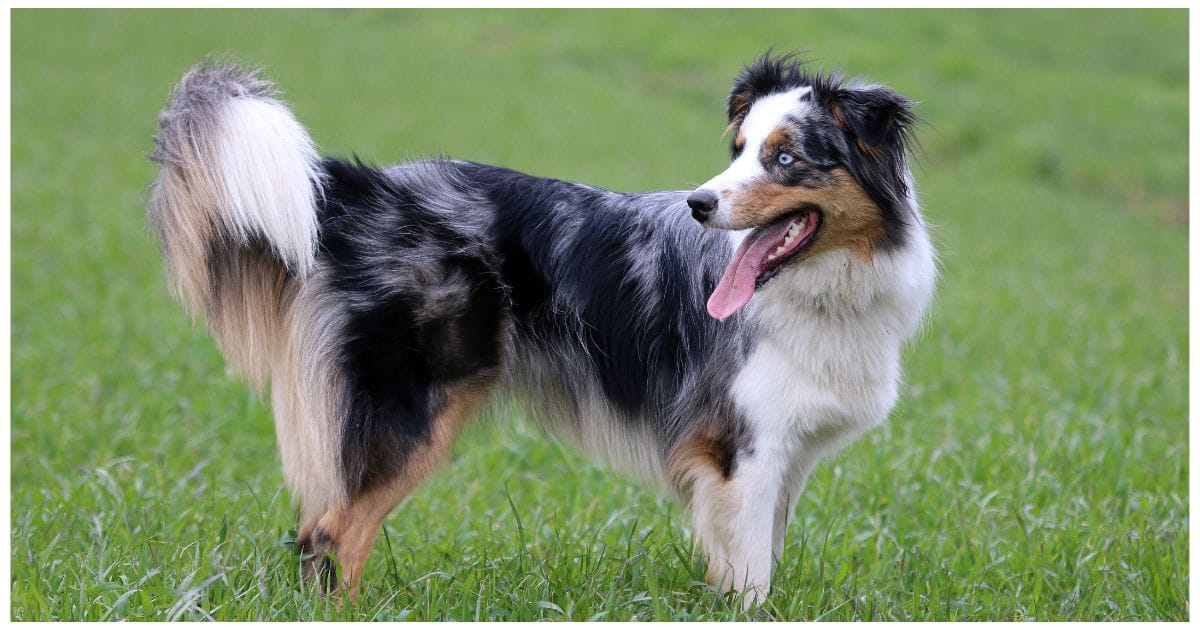
Dogs That Look Like Australian Shepherd. When it comes to the allure of canine companions, few breeds capture the eye quite like the Australian Shepherd. Their vibrant coat patterns, ranging from rich reds and blues to striking black and white, coupled with their expressive personalities, make them stand out in any setting. These intelligent, energetic, and highly trainable dogs have earned a devoted following among individuals and families seeking loyal and engaging companions.
However, if you find yourself captivated by their appearance but are considering alternatives—be it for practical reasons such as size or energy level—there is a veritable roster of dog breeds that bear striking similarities to the Aussie. This intriguing aspect raises a broader question: what compels us to seek out breeds resembling those we love? Perhaps it’s the familiarity—they echo traits that resonate with us, be it their distinctive looks, intelligence, or enthusiastic nature.
For example, the Border Collie, celebrated not just for its similar aesthetics but also for its unparalleled herding instincts, embodies many traits Australians are known for—intelligence, agility, and an eagerness to work and please its owner. This connection, between breed aesthetics and cultural associations, reveals a compelling narrative about our human-animal bond and the ways in which we project our own values onto our canine companions.
As we delve deeper into the world of dogs that mirror the Australian Shepherd, we’ll unravel the tapestry of visual parallels, behavioral tendencies, and underlying psychological and cultural reasons behind our fascination with these breeds. This exploration aims to unveil the unique characteristics of each breed, offering a richer perspective beyond mere resemblance and facilitating a more informed decision for prospective pet owners.
Dog Breed Alternatives: Unveiling the Similarities
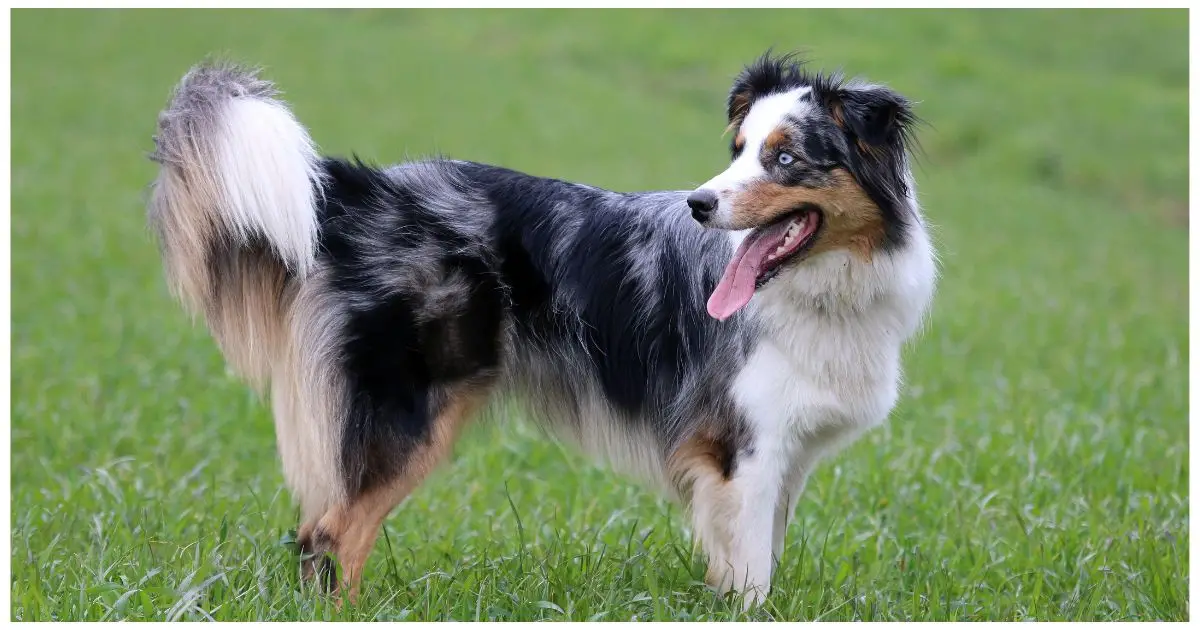
The Australian Shepherd’s unique blend of intelligence, athleticism, and herding instincts has captivated countless individuals. However, the breed’s high energy levels and extensive grooming requirements might not align with every lifestyle. Fortunately, the canine world boasts a diverse range of breeds that share a remarkable resemblance to the Aussie, both in appearance and temperament. These alternatives offer exciting opportunities to explore breeds that may better suit your specific needs and preferences. Let’s embark on a journey to discover these breeds and understand what makes them so compelling to those seeking an Aussie-like companion.
The Brittany Spaniel: A Smaller Package of Energy
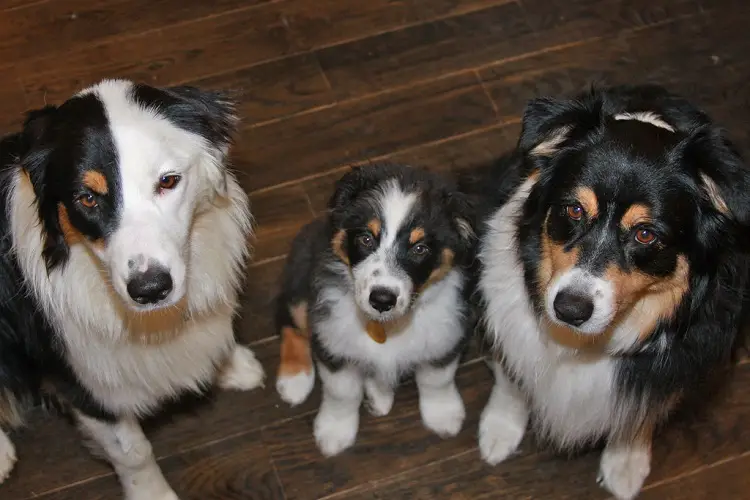
The Brittany Spaniel, with its compact build and cheerful demeanor, often surprises those familiar with the larger Australian Shepherd. Don’t let their size fool you; these spirited dogs possess an energy level that rivals the Aussie’s. They are naturally friendly and eager to please, making them ideal companions for both active individuals and families with young children.
The Brittany’s enthusiasm for play and training aligns beautifully with the Aussie’s playful nature. Moreover, their keen intelligence allows them to learn quickly, making it a joy to train them in agility, obedience, or hunting-related activities. Their adaptability, coupled with their affectionate nature, makes them equally comfortable in bustling suburban environments or spacious rural settings.
Beyond their shared playful tendencies, the Brittany Spaniel’s coat often boasts a similar color palette to the Australian Shepherd, though typically with a more subtle pattern. Their medium-length, slightly wavy coat is relatively easy to manage, reducing the grooming demands often associated with certain Aussie coats. This effortless elegance makes the Brittany a practical and visually pleasing choice for those who adore the Aussie aesthetic but desire a slightly more manageable companion.
Nova Scotia Duck Tolling Retriever: A Stunning Color Match
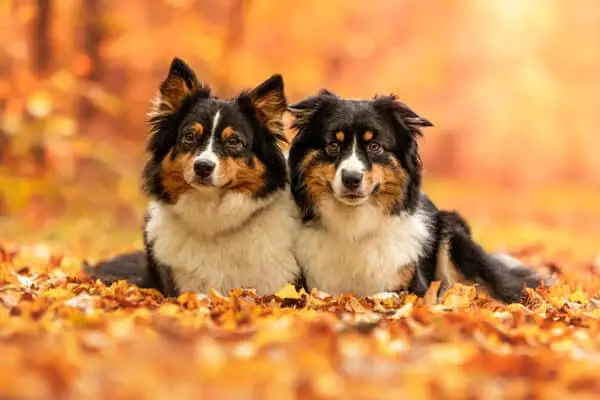
The Nova Scotia Duck Tolling Retriever, often affectionately referred to as the “Toller,” is a breed that truly captures the eye with its vibrant coat resembling that of an Australian Shepherd. Their rich red or red and white coat is undeniably captivating, mimicking that striking appearance so cherished in the Aussie breed. These medium-sized retrievers are known for their playful and energetic nature, making them an excellent choice for families who enjoy outdoor activities and a high-energy companion.
Their playful energy and enthusiasm are strikingly similar to that of the Aussie, often leading to lively and engaging interactions. The Toller’s natural intelligence makes them relatively easy to train, and their eagerness to please ensures a smooth training experience. Their natural instincts for retrieving make them ideal partners for those who enjoy water activities or outdoor adventures. Moreover, they have a gentle and loving personality, making them perfect companions for individuals of all ages.
Beyond their shared physical traits and energetic nature, the Toller and Aussie showcase a certain level of independence. This quality, while requiring consistent training and socialization, can lend itself well to those who cherish a sense of autonomy and adaptability in their canine companions.
Dogs That Look Like Australian Shepherd. Australian Cattle Dog: A Working Breed with a Similar Drive
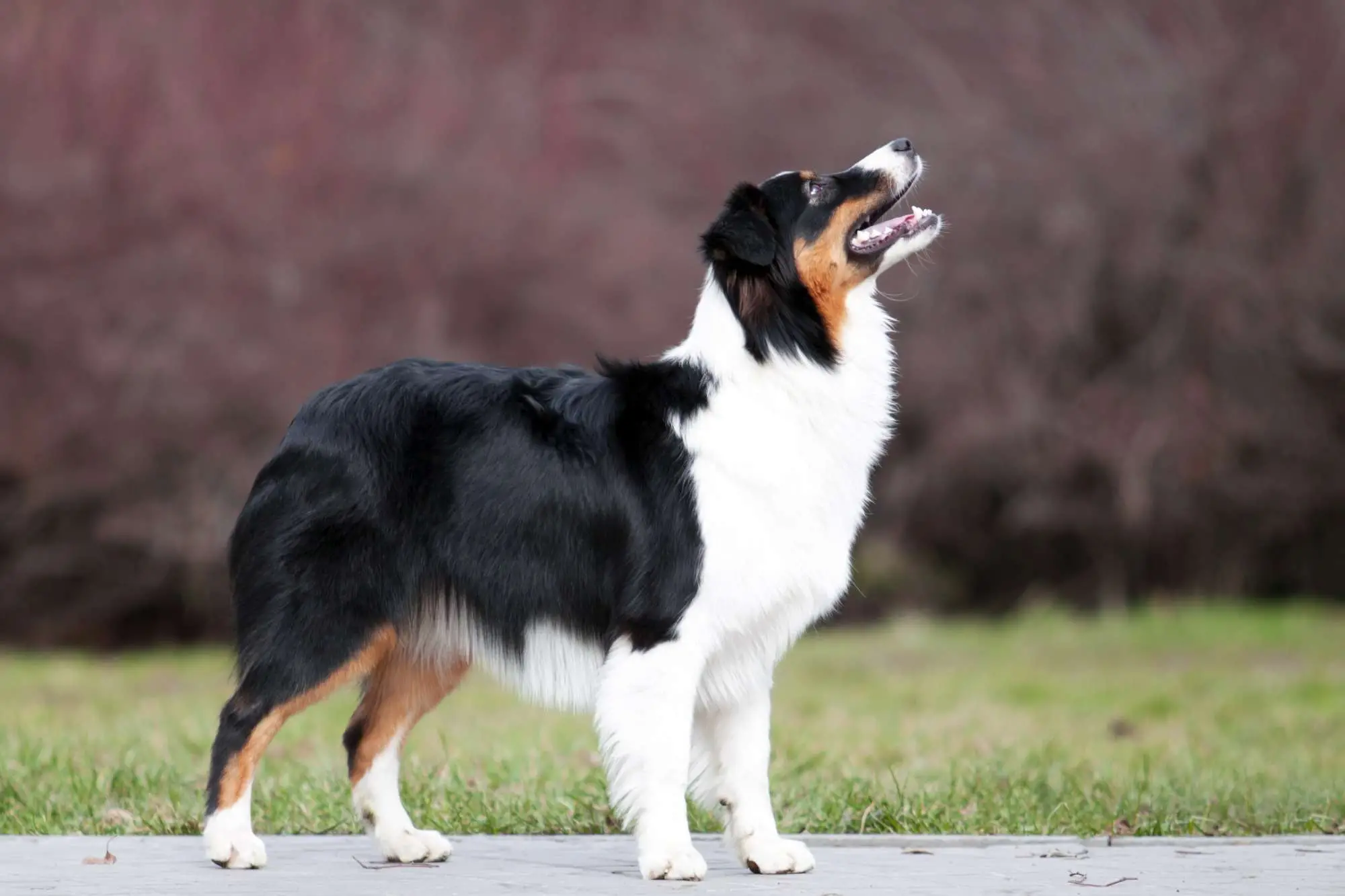
The Australian Cattle Dog, also known as the Blue Heeler, offers a strong visual resemblance to the Australian Shepherd and shares that unwavering work ethic. These medium-sized dogs are known for their intelligence, agility, and incredible stamina, often excelling in herding and other demanding activities. Their distinctive coat, often featuring a blue or red speckled pattern, contributes to their striking resemblance to the Aussie.
Their energetic nature and intelligence make them ideally suited for active individuals or families who enjoy outdoor activities. Like the Australian Shepherd, the Blue Heeler is driven by a desire to work, making them fantastic companions for those who are willing to provide them with mental and physical stimulation. Their agility and intelligence are sure to inspire any dog owner to engage in training, creating a deeper bond that transcends physical appearance alone.
Their tireless energy and strong work ethic require committed owners who understand their needs. Proper socialization and consistent training are crucial in channeling their natural instincts into positive and productive behaviors. While their inherent herding drive can be a significant asset, it’s essential to understand and manage it to prevent unwanted behaviors like nipping at heels or excessive barking.
Shetland Sheepdog: A Miniature Aussie with a Big Personality
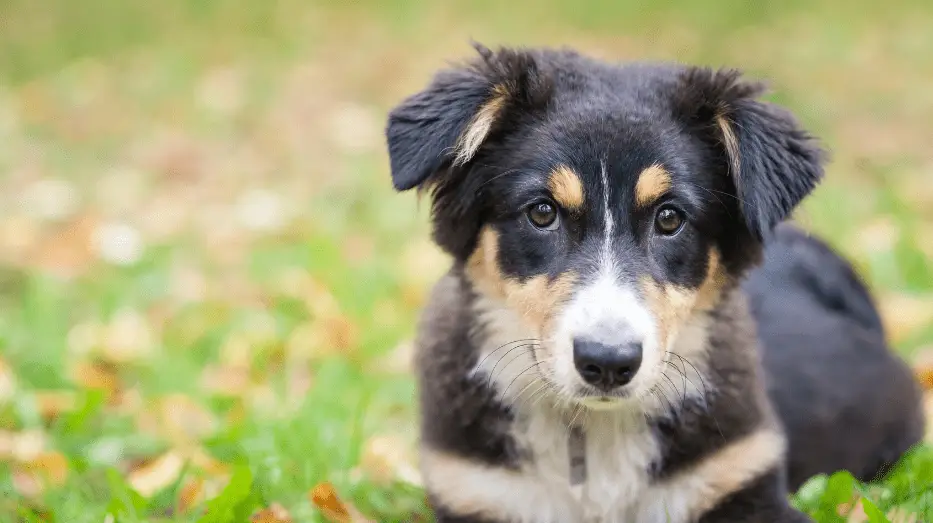
The Shetland Sheepdog, also known as the Sheltie, is a smaller version of its larger cousin, the Australian Shepherd. These captivating dogs maintain a striking physical resemblance, with their long, flowing coats often featuring a combination of black, white, and shades of brown or tan. Their intelligence, loyalty, and herding instincts make them a popular choice for those who seek an Aussie-like companion in a smaller package.
The Sheltie’s personality is as captivating as their appearance. They are known for their intelligence, alertness, and unwavering loyalty, qualities often associated with the Australian Shepherd. Their eagerness to please makes them relatively easy to train, both in obedience and agility. Like the Aussie, they thrive in environments where they can engage in mental and physical stimulation, making them ideal partners for active individuals or families.
Their compact size makes them well-suited to a variety of living situations, including apartments and smaller homes. However, their herding instincts remain a prominent part of their nature, requiring careful management and training to prevent unwanted behaviors like chasing smaller animals. This breed’s strong bond with their families makes them perfect companions for individuals seeking a loyal, affectionate, and intelligent pet.
The Allure of Canine Aesthetics: Exploring Psychological Implications
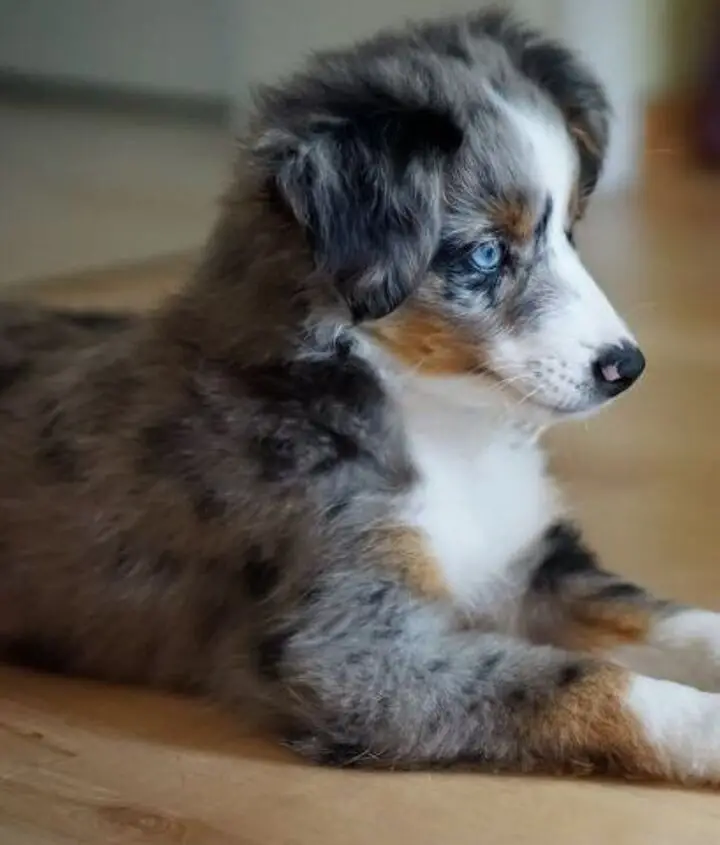
Why are we drawn to dogs that resemble breeds we admire, particularly the Australian Shepherd? The answer lies, in part, within the fascinating realm of human psychology. Our attraction to familiar aesthetics and traits suggests underlying psychological mechanisms at play in our pet selection process. It’s a testament to our innate desire for comfort, predictability, and emotional connections fostered through experiences.
Familiarity and Affection: A Psychological Connection
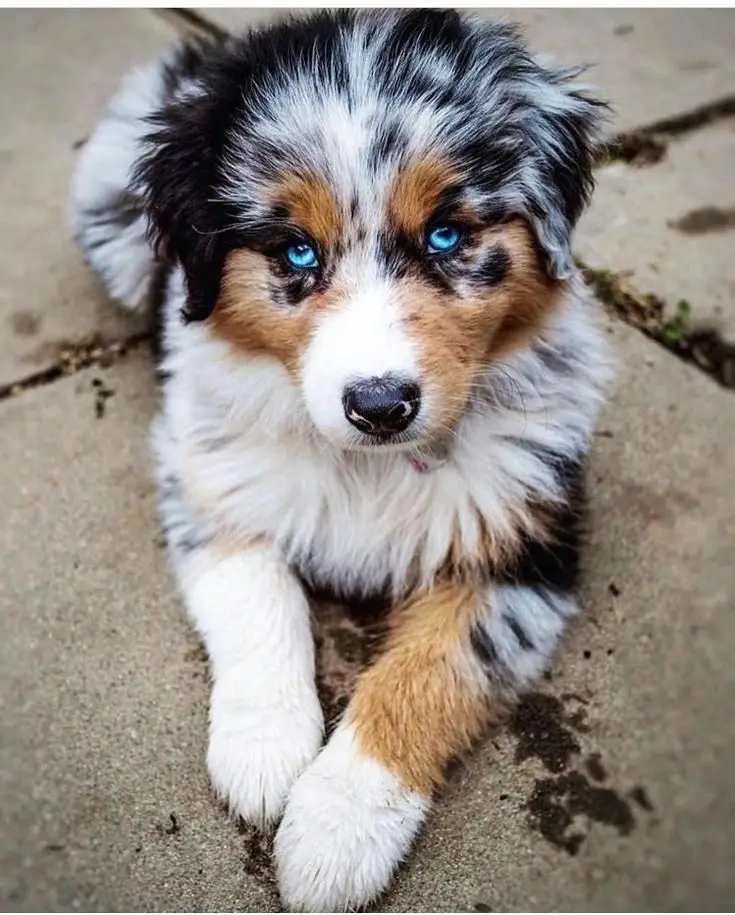
The search for dogs like the Aussie might reflect ingrained psychological preferences related to familiarity and affection. Our brains are wired to gravitate toward things we recognize and find appealing. This innate inclination can extend to the realm of our beloved pets, influencing our choices in a way that’s deeply personal and emotionally charged.
Imagine finding comfort in wearing your favorite sweater. It’s familiar, reassuring, and offers a sense of warmth and security. Choosing a dog based on familiar aesthetics can evoke a similar response. We seek this comforting warmth, both emotionally and aesthetically, in our canine companions.
By selecting a breed that resembles the Australian Shepherd, we might unconsciously replicate the joy and excitement brought about by our experiences with this breed. It reflects our lived experiences and affinity for its charismatic character, as we seek a companion that mirrors the positive feelings associated with this iconic breed.
The Role of Nostalgia and Personal History
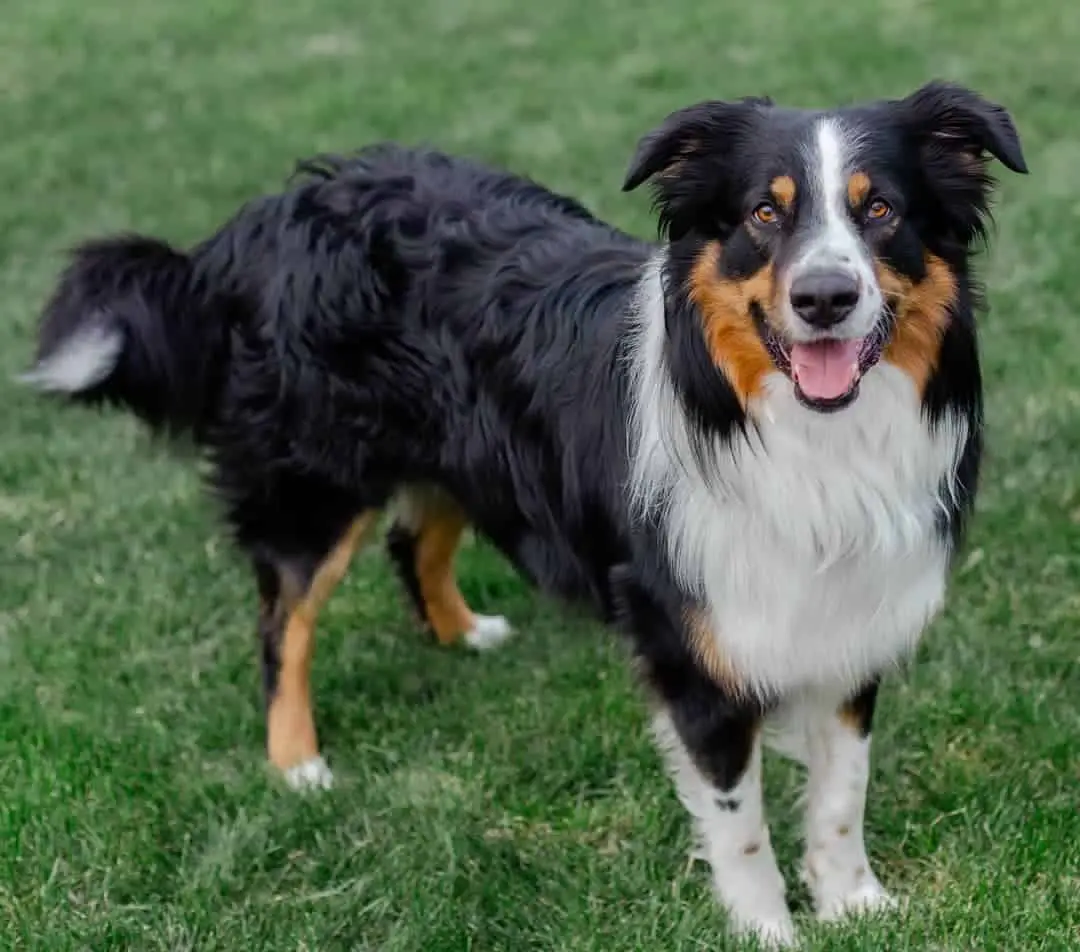
Our experiences with specific dog breeds can create powerful emotional associations that influence our preferences later in life. If we’ve had a positive experience with an Australian Shepherd in the past, for instance, we might be drawn to breeds with similar appearances or personalities. This preference might be fueled by a sense of nostalgia, where the sight and temperament of a similar breed evoke fond memories and positive emotions.
Nostalgia is a powerful emotion that connects us to our past and can influence our future decisions. In the context of dog breed selection, it allows us to cultivate a sense of continuity and familiarity. We strive to recreate the positive experiences of our past, leading us to select breeds that resonate with those memories. The choice might be a subconscious attempt to recapture the joy we felt through our interaction with a specific dog or breed.
The Dynamics of Attachment and Emotional Needs
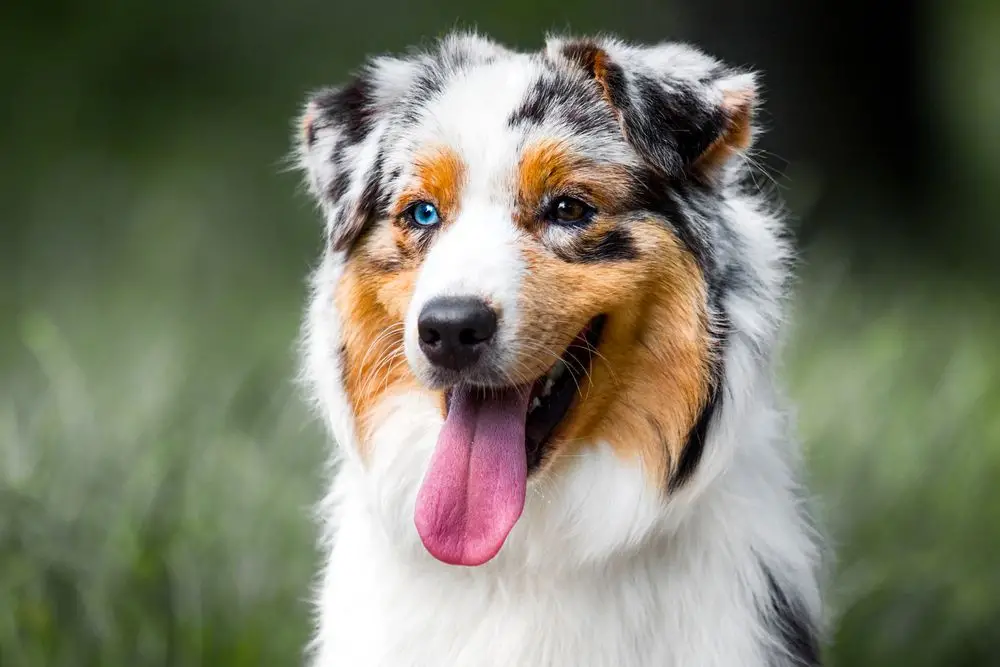
Our choice of canine companion can be inextricably linked to our own emotional needs and desire for connection. Whether we crave a playful and energetic friend, a loyal and protective guardian, or a calming and affectionate companion, our selection process is often guided by our desire to fulfill these emotional needs.
If we’re drawn to the Aussie’s intelligence and enthusiasm, we might subconsciously seek a breed that offers a similar level of interaction and mental stimulation. This need for connection with a pet can influence our decision to choose a breed that echoes our personality and desired level of interaction.
The bond we form with our dogs is a deeply complex and enriching experience. Our choice of breed is often a reflection of our emotional landscape and our desire to create a meaningful connection with a canine companion that aligns with our personality and values.
Cultural Contexts and the Significance of Breed Choice
The appreciation for specific breeds can vary significantly across different cultures, reflecting the diverse values and lifestyles of various communities. Breed preferences often hint at the historical and cultural context within which dogs have been integrated into society. Our individual interpretations of breeds can be influenced by specific cultural norms, historical connections, or even societal perceptions fostered within specific communities.
Variations in Breed Popularity and Cultural Ideals
The popularity of specific dog breeds can vary dramatically depending on the cultural context. In some farming communities in the United States, for instance, the Australian Shepherd’s working ability and intelligence make them a highly valued companion. Their adaptability and willingness to learn made them an excellent choice for herding and guarding livestock, showcasing their practicality and versatility within a specific cultural context.
In contrast, certain breeds might hold significant cultural weight in other parts of the world. The English Shepherd, for instance, is cherished in farming communities in the U. K., where practicality meets companionship. It highlights how breed preferences can be intertwined with cultural norms and historical influence.
The mere act of choosing one breed over another can create entirely new narratives imbued with cultural significance, ultimately impacting local communities’ relationships with their dogs. These narratives often reflect local values, historical experiences, or specific needs within a community.
The Influence of Media and Popular Culture
The media and popular culture play a significant role in shaping our perceptions of different dog breeds. Media portrayals, from heartwarming films to captivating television series, can highlight certain breed characteristics and create specific associations.
The Australian Shepherd’s captivating appeal has been well-documented in popular culture, creating a widespread awareness and appreciation for the breed. This media representation, while often romanticized, has contributed to its immense popularity and its association with specific traits such as intelligence, loyalty, and a playful nature.
The impact of popular culture extends beyond merely creating awareness. The way certain breeds are portrayed in movies, television shows, and social media can reinforce existing biases or create new ones. We’re often presented with idealized versions of specific dog breeds, which can influence our expectations and preferences.
Social Implications and Community Dynamics
The choice of dog breed can inadvertently contribute to social dynamics within communities. Breed-specific dog parks, online communities, and social gatherings can create distinct social circles centered around a shared appreciation for a particular breed.
These communities typically come with shared norms, expectations, and attitudes towards dogs and their care. The choice of breed, therefore, can inadvertently shape an individual’s social interactions and community dynamics.
Moreover, specific breeds might be associated with certain social groups or lifestyles. This can be seen with certain breeds that are associated with a particular geographical area or social class.
Conclusion
The quest for the “perfect” canine companion is a journey brimming with emotion, personal reflection, and a deep appreciation for the diverse world of dogs. While the Australian Shepherd’s captivating charm holds a special place for many, exploring dog breeds that bear a resemblance to this iconic breed unveils a captivating array of potential companions. From the energetic Brittany Spaniel and the stunning Nova Scotia Duck Tolling Retriever to the hardworking Australian Cattle Dog and the miniature Sheltie, each breed contributes a unique tapestry of visual and temperamental traits that resonate with those seeking a dog that evokes the Aussie spirit.
Our inclination to gravitate toward familiar traits emphasizes the inherent psychological connection between humans and their canine companions. Familiarity, nostalgia, and emotional needs all contribute to the complex process of choosing a breed that best resonates with our individual values and experiences. This process also unveils the diverse cultural perspectives that inform our appreciation for specific breeds, highlighting the significant role that cultural norms and societal influences play in shaping our preferences and societal narratives around dogs.
Whether driven by aesthetics, behavioral traits, or a combination of both, the selection process of choosing a dog ultimately becomes a journey of personal connection and enrichment. It allows us to appreciate the incredible variety within the canine world and to recognize the unique attributes that make each breed a cherished part of our lives. As we continue to explore and understand the world of dogs that mirror the Aussie, we uncover a deeper understanding of the powerful human-animal bond and the diverse facets that contribute to our love for these amazing companions.
